

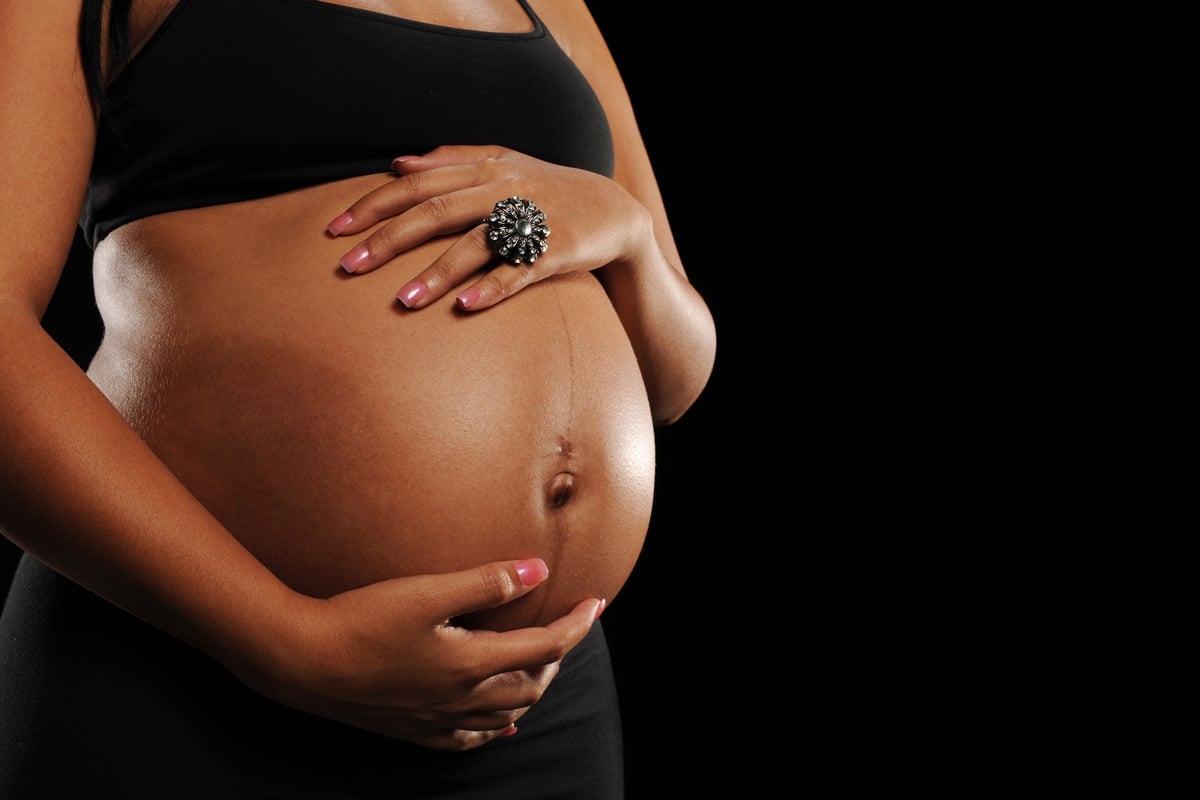
The World Health Organisation (WHO) has clarified that there is no conclusive scientific evidence linking the use of acetaminophen (paracetamol) during pregnancy to autism.
WHO, in a statement on Wednesday, highlighted that nearly 62 million people worldwide — about one in 127 — live with autism spectrum disorder (ASD), a range of conditions affecting brain development. Despite growing awareness and improved diagnosis, experts still do not know the exact causes of autism, which are believed to involve multiple factors.

The organisation said extensive research over the past decade, including large-scale studies, has not found any consistent association between prenatal acetaminophen use and autism. “We advise women to follow the guidance of their doctors, who can assess individual needs and recommend appropriate medicines,” WHO said. “All medicines should be used with caution during pregnancy, especially in the first trimester.”
WHO also reaffirmed that vaccines do not cause autism, dismissing earlier flawed studies that suggested otherwise. Since 1999, independent experts have repeatedly confirmed that vaccines — including those containing thiomersal or aluminium — do not lead to autism or other developmental disorders.
The health body stressed that vaccination schedules, developed through rigorous evidence-based processes, remain crucial for public health. These schedules have saved an estimated 154 million lives in the past 50 years and now protect against 30 infectious diseases.
WHO warned that altering or delaying immunisation programmes without scientific review increases the risk of infection for children and vulnerable groups, including infants and those with weakened immune systems.
Autism and other neurodevelopmental conditions will be a key topic at the fourth UN High-Level Meeting on Non-Communicable Diseases and Mental Health on 25 September. WHO pledged to continue working with global partners and autistic-led organisations to better understand autism and improve support for affected individuals and their families.
The statement followed recent remarks by US President Donald Trump, who urged pregnant women to avoid Tylenol — a brand of acetaminophen — and called for major changes to childhood vaccination schedules. Medical experts, however, maintain that acetaminophen is among the safest painkillers during pregnancy.
WHO spokesperson Tarik Jasarevic acknowledged that some observational studies had suggested a possible link between prenatal acetaminophen exposure and autism, but stressed that such studies do not prove causation.