

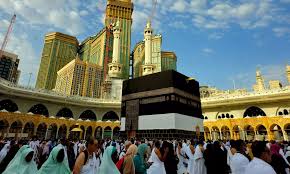
The Kingdom of Saudi Arabia has introduced stricter health regulations for the 2026 Hajj pilgrimage (1447 AH), underscoring its commitment to safeguarding public health and preventing disease outbreaks during the annual religious exercise.
According to a circular from the Saudi Ministry of Health, all intending pilgrims, including Nigerians, must meet requirements of physical and mental fitness and adhere to a comprehensive vaccination schedule before being allowed entry into the Kingdom.

The new guidelines also specify medical conditions that automatically disqualify individuals from participating in the Hajj. These include major organ failure (affecting the heart, lungs, liver, or kidneys), advanced chronic illnesses, dementia or senility, high-risk pregnancies, and cancer patients currently undergoing treatments such as chemotherapy or radiotherapy.
Additionally, people with active infectious diseases like tuberculosis and hemorrhagic fevers, as well as those with neurological or psychiatric disorders that impair judgment or create safety risks, will not be permitted to perform the pilgrimage.
According to the circular, “No pilgrim suffering from the listed diseases will be allowed to travel,” adding that health certificates will be strictly verified both before departure and upon arrival in Saudi Arabia.
Vaccination compliance remains a key component of the new policy, with the Ministry insisting on valid certificates for COVID-19, Meningococcal Meningitis (ACWY), Polio, and Yellow Fever.
Pilgrims must show proof of full COVID-19 vaccination with a Saudi-approved vaccine, with the latest dose received between 2021 and 2025, at least two weeks before travel.
The Meningococcal Meningitis (ACWY) vaccine must be administered not more than five years and not less than ten days before arrival.
Nigerian pilgrims are specifically required to receive a dose of the Inactivated Poliovirus Vaccine (IPV) or Oral Polio Vaccine (bOPV/novel OPV2) at least four weeks before departure, with proof recorded on the International Certificate of Vaccination (Yellow Card).
All travellers aged nine months and above must also present a valid Yellow Fever vaccination certificate.
Saudi authorities confirmed that comprehensive health screenings will be conducted at all entry points. Pilgrims who fail to meet the stipulated health standards risk denial of entry, isolation, or further medical evaluation.
Reacting to the development, the National Hajj Commission of Nigeria (NAHCON) urged intending pilgrims to begin vaccinations and health checks early to avoid last-minute complications.
In a statement, NAHCON’s Deputy Director of Information and Public Relations, Fatima Sanda Usara, said the commission would collaborate with State Muslim Pilgrims Welfare Boards and licensed tour operators to ensure full compliance with Saudi Arabia’s new health regulations.
She emphasised that adherence to the new rules would help prevent travel disruptions and protect the health of the Nigerian contingent.
The Saudi Ministry of Health added that it reserves the right to introduce additional preventive measures in coordination with the World Health Organization (WHO) if global disease outbreaks or public health emergencies occur before or during the Hajj season.
