

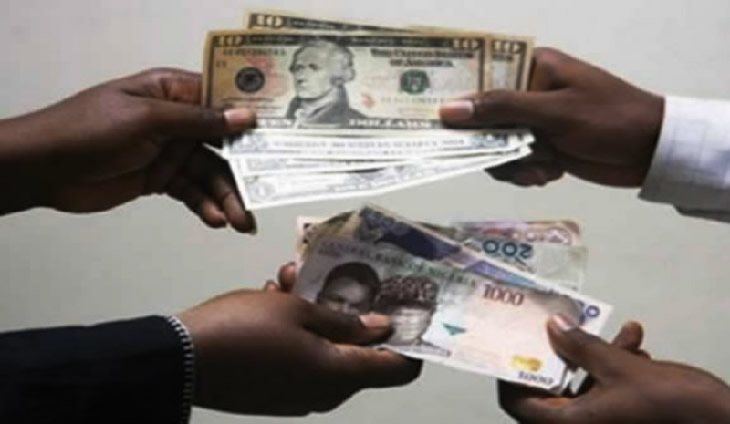
The Nigerian Naira maintained stability against the US Dollar on Thursday, February 26, 2026, following the Central Bank of Nigeria’s (CBN) decision to enter a “stabilization phase.”
After the Monetary Policy Committee (MPC) meeting earlier this week, the currency continues to trade within a consolidated range, bolstered by a 13-year high in foreign reserves.

Official Market Performance (NFEM)
In the official window, the Naira opened at 1,351.12 per dollar, briefly dipping to 1,347.99 mid-morning before settling around 1,350.13. The movement reflects steady performance following Wednesday’s close, as the market absorbs the impact of the 50-basis-point cut in the Monetary Policy Rate (MPR).
Market liquidity remains robust, with the CBN actively mopping up excess bank liquidity while ensuring sufficient dollars for essential imports. The official mean rate for the week has stabilised near 1,349, reflecting reduced volatility and transparency in the Nigerian Autonomous Foreign Exchange Fixing (NAFEX).
Parallel Market Trends
The parallel market mirrored the official window’s stability, with the dollar exchanging between 1,355 and 1,365. The spread between the two markets remains narrow at less than 1.5%.
Traders in Lagos and Abuja report that demand is being met due to the central bank’s policy of granting Bureau De Change (BDC) operators regular access to foreign exchange, reducing speculative pressures that often push black market rates above official levels.
Key Drivers and Outlook
Several macroeconomic factors are supporting the Naira’s stability:
- Interest Rate Shift: The MPR cut to 26.50% signals the apex bank’s confidence in disinflationary trends. While rate cuts typically weaken a currency, investors view this as a step toward sustainable growth.
- Foreign Reserve Strength: Nigeria’s external reserves reached $50.45 billion, the highest in 13 years, providing nearly 10 months of import cover.
- Sustained Disinflation: Headline inflation fell to 15.10% in January, marking ten consecutive months of decline, enhancing the Naira’s real value.
- Economic Expansion: Projected GDP growth of 4.68% for 2026 has bolstered market sentiment and encouraged long-term capital inflows.
Financial analysts predict that the Naira will remain in the 1,345–1,355 range for the rest of the week as markets await further signals from fiscal authorities on structural reforms in the energy and agricultural sectors.