

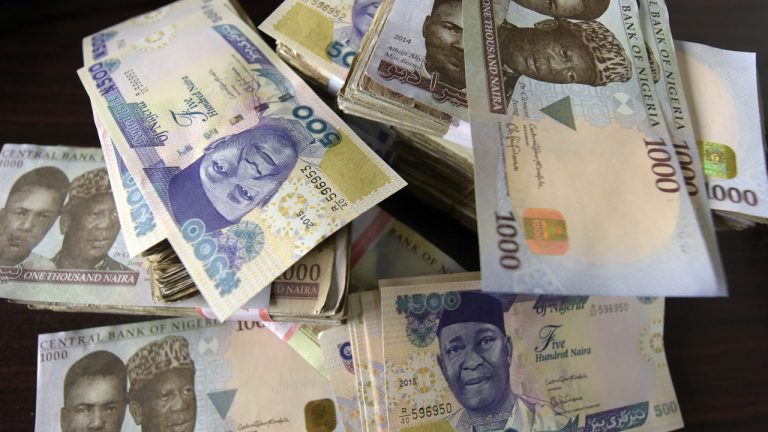
The Nigerian Naira opened the month with measured stability against the United States dollar on Monday, 2 March 2026.
Data from the Nigerian Foreign Exchange Market (NFEM) and informal currency traders show the local currency maintaining its recent gains, supported by a 13-year high in foreign reserves and a sustained slowdown in inflation.

Official market performance
At the official NFEM window, the Naira began the trading week at 1,359.58 per dollar. By mid-morning, it recorded slight fluctuations, reaching 1,360.00 before settling around 1,359.99 by 6:00am WAT. The movement represents a mild adjustment from the end-of-February closing rate, as the market stabilises following the Central Bank of Nigeria (CBN)’s recent 50-basis-point reduction in the Monetary Policy Rate.
Liquidity levels remain strong, buoyed by increased foreign portfolio inflows. The apex bank’s willing-buyer-willing-seller framework continues to support exchange rate stability, limiting the sharp intraday swings previously associated with market volatility.
Parallel market trends
In the parallel market, the dollar traded between 1,365 and 1,375 in major commercial centres such as Lagos, Abuja and Kano. The margin between the official and parallel market rates remains narrow at roughly one per cent, marking a notable contrast to the wider disparities recorded in previous years.
Currency dealers report that although demand typically rises at the start of the week from small-scale importers and travellers, steady supply through authorised channels has reduced speculative activity. The closer alignment of rates indicates that recent transparency measures by the CBN are discouraging currency hoarding.
Key macroeconomic indicators
Several economic fundamentals are underpinning the Naira’s performance at the start of March:
- Foreign reserves: Nigeria’s external reserves ended February at 49.51 billion dollars, up from 46.11 billion dollars in January, giving the CBN greater capacity to manage liquidity pressures.
- Inflation trend: Headline inflation eased for the tenth consecutive month, standing at 15.10 per cent in January 2026, strengthening investor confidence in the currency’s real value.
- Oil production: Crude output remains stable at about 1.46 million barrels per day. With Bonny Light averaging 71.87 dollars in February, foreign exchange inflows have remained consistent.
- Trade balance: Nigeria recently recorded its largest trade surplus to date, reinforcing the current account position and reducing immediate pressure on the currency.
Market analysts expect the Naira to trade within the 1,355 to 1,365 range at the official window during the week, as the financial sector adjusts to the revised interest rate environment and the next phase of the CBN’s stabilisation strategy.