

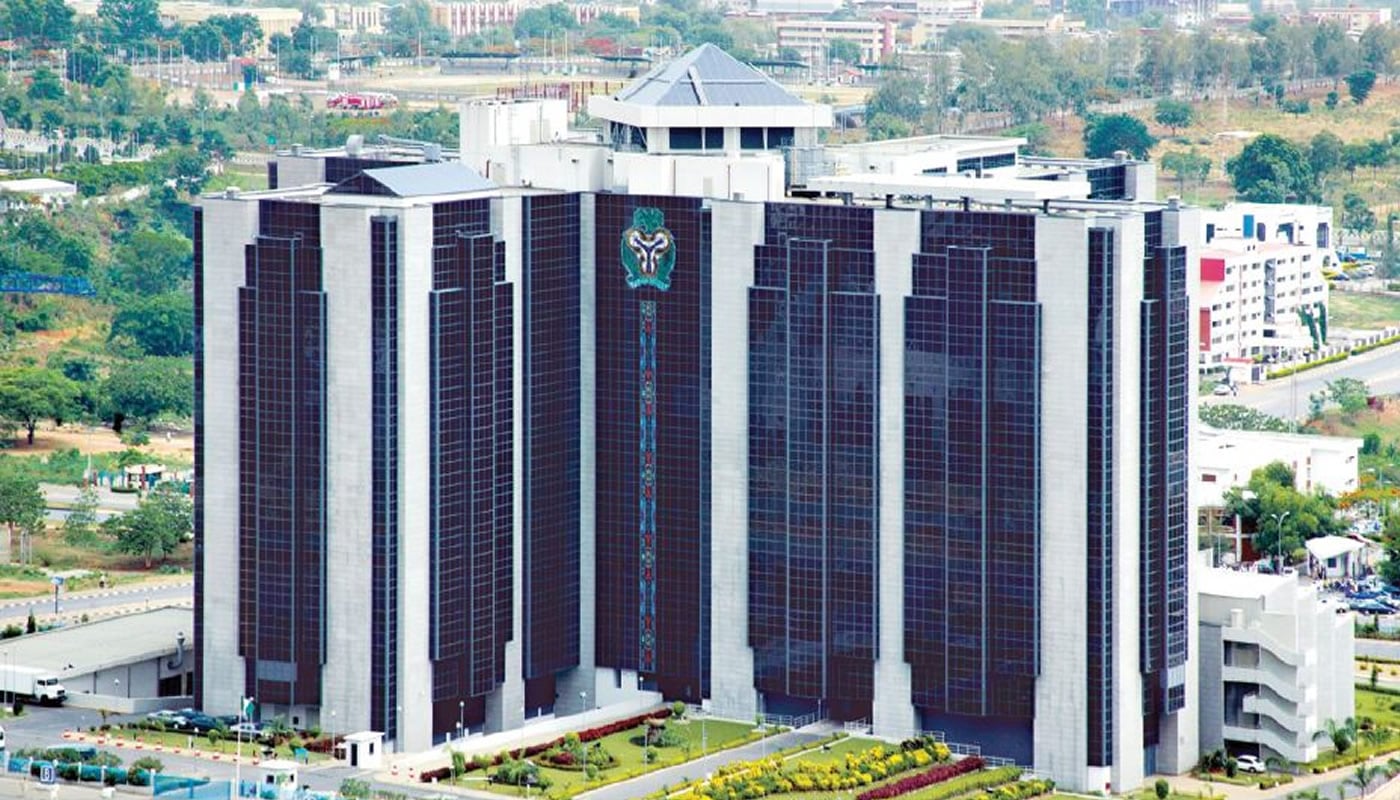
The Central Bank of Nigeria (CBN) has cautioned Nigerians to ignore fake messages, emails, and online communications falsely claiming to be from or linked to the bank.
The warning was issued on Tuesday in a statement by the Acting Director of Corporate Communications, Hakama Ali.

According to the apex bank, the fraudulent messages are crafted to deceive the public, spread misinformation, and steal personal data.
“The Central Bank of Nigeria wishes to alert members of the public to the circulation of fraudulent messages, emails and online communications purporting to originate from or be associated with the Bank,” the statement said.
It noted that such messages often encourage recipients to click suspicious links while circulating false claims about the bank’s leadership, licensing, and policies.
“These fraudulent messages, which prompt recipients to click links, peddle false information about the Bank’s leadership, licensing and policy issues, and are intended to hack personal accounts,” it stated.
The CBN advised Nigerians to rely only on information from its official website and verified media platforms.
It also warned the public against clicking unknown links or sharing personal information with unauthorised sources.
“The official website of the Central Bank of Nigeria remains www.cbn.gov.ng. Members of the public are strongly advised to refrain from clicking links or sharing personal information on suspicious websites,” the bank said.
The apex bank further urged Nigerians to report any suspected fraudulent messages, emails, or websites to law enforcement authorities, reaffirming its commitment to safeguarding the financial system through strengthened cybersecurity measures.
The advisory comes amid increasing cyber threats and reported data breaches affecting both public and private institutions in Nigeria.
In recent weeks, systems belonging to the Corporate Affairs Commission, Remita Payment Services Limited, and Sterling Bank were reportedly targeted, while the Nigeria Data Protection Commission has begun investigations into the alleged breaches.