

Nigerian nationals are among several individuals convicted over a large-scale email fraud operation that defrauded more than 1,000 victims across 19 countries of about $215 million, according to the United States attorney’s office.
In a statement issued on Thursday, the office said 25 defendants were found guilty on April 24 for their involvement in the fraud and money laundering network, commonly known as “business email compromise”.

Among those convicted were four Nigerian nationals — Emmanuel Okereke, also known as Omo Igbo, 42; Olalekan Bashiru, also known as Ola Bash, 36; Jeremiah Agina, 29; and Ademola Balogun, 43.
Another five individuals — Ayobami Osas Christopher, also known as Lovely Man, 30; Ayorinde Emmanuel Adebayo, 35; Olabode Bankole, 37; Chukwuemeka Evulukwu, 35; and Kingsley Owusu, 37 — were naturalised United States citizens of Nigerian origin.
Oluwafemi Michael Awoyemi, 40, was also listed as a defendant in a separate trial linked to the same offence, although his nationality was not specified.
According to court filings and evidence, the group gained unauthorised access to email accounts and used accomplices to monitor communications and activities of the victims.
After gathering sufficient information, fraudulent emails were sent either to the account holders or their contacts, requesting payments under the guise of legitimate business transactions.
Because the messages were tailored using insider knowledge of the victims’ dealings, recipients were often convinced of their authenticity.
Funds obtained from victims were then moved through a network of fake bank accounts and transfer systems to conceal and distribute the proceeds.
The court heard that about $50 million of the stolen funds was used to purchase cashier’s cheques, which were processed through the New Dolton Currency Exchange, a Chicago-area financial service business owned by co-defendant Lon Goodman.
Goodman was said to have accepted cheques from individuals using false identification and processed transactions despite warnings from banks that the funds were linked to fraudulent activities.
Investigators also found that when risks increased, the cheques were redirected through shell companies controlled by members of the network.
Victims were identified across several countries, including the United States, Canada, Mexico, the United Kingdom, Germany, Italy, Kuwait, the United Arab Emirates, Australia, New Zealand, Malaysia, Panama, Bermuda and Romania.
The fraudulent transfers ranged from tens of thousands to millions of dollars. In one case, a victim company transferred $2.7 million to a bank account controlled by a member of the syndicate.
Items seized during the investigation included nearly $1.2 million in cashier’s cheques, cryptocurrency and cash, as well as luxury watches and a residential property in Lawrenceville, Georgia.
The US attorney’s office said sentencing will be determined by the court after considering factors such as the role of each defendant, prior criminal records and the nature of the offences.
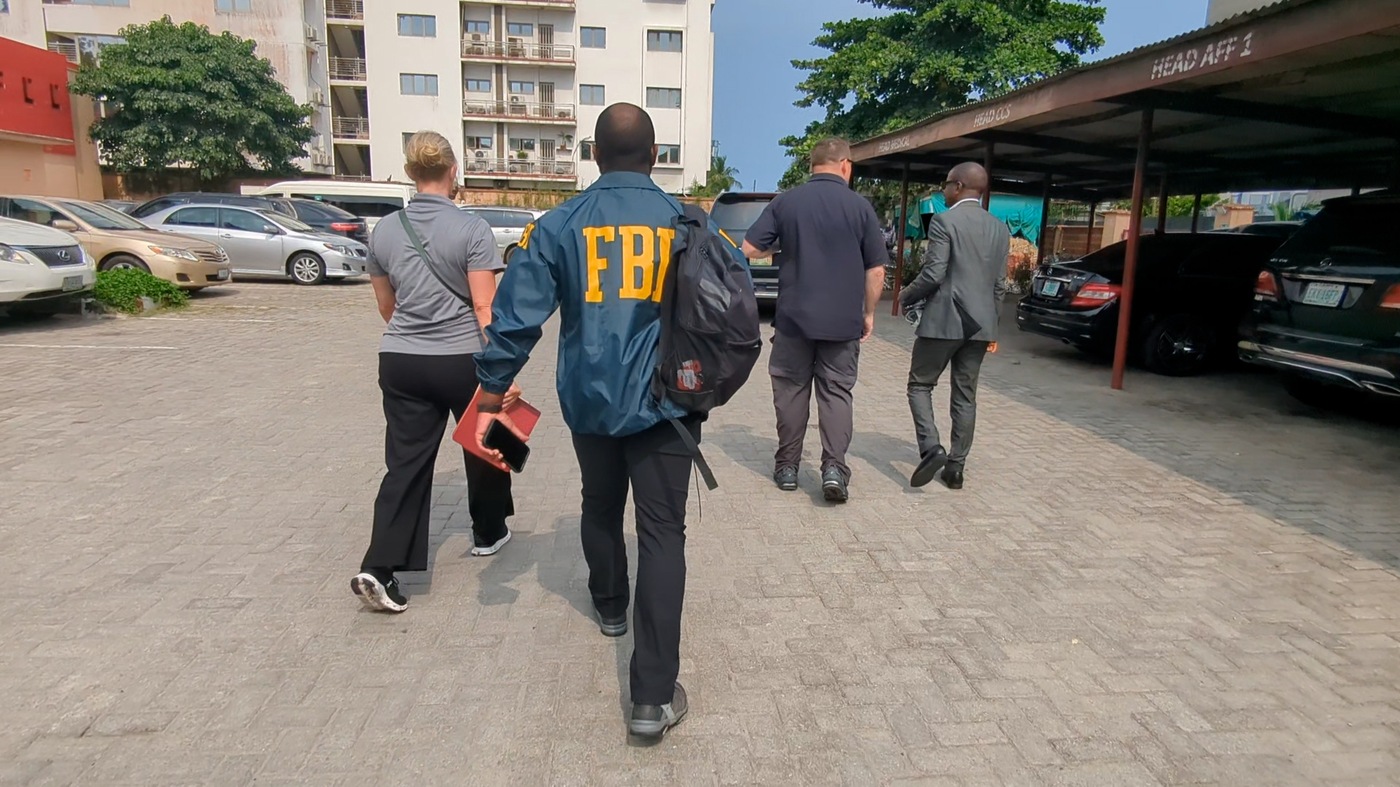
The investigation was carried out by the Federal Bureau of Investigation (FBI) Cleveland Division, the US Postal Inspection Service and the US Border Patrol Sandusky Bay Intelligence Unit.