

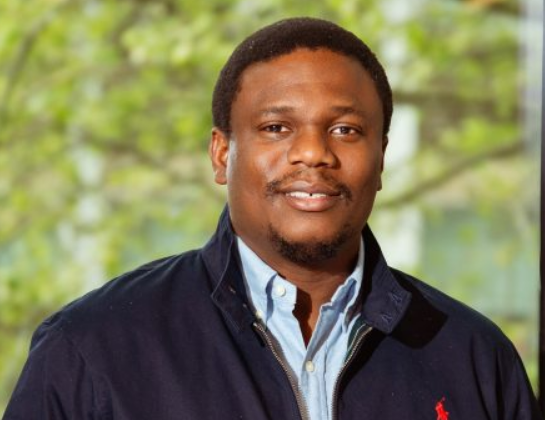
The Chief Executive Officer of Moniepoint, Tosin Eniolorunda, has revealed that the company is finding it difficult to fill about 500 job vacancies, citing a shortage of skilled talent in Nigeria.
Eniolorunda made this known while speaking at an event held in Lagos on May 1, a clip of which has since circulated online.

He explained that despite a strategic decision to focus on hiring within Nigeria, the organisation has struggled to find candidates who meet its expectations.
“We made a decision that we will no longer hire from any other place than Nigeria. If you go to Moniepoint career website, we have maybe 500 vacancies and we are struggling to find people to fill those roles,” he said.
He further noted that the issue goes beyond the number of applicants, pointing to concerns about the quality of available candidates.
“Not only could we not find people at the quality and the quantity we needed, the few people that we found were not up to the global standards that we need,” he stated.
According to him, Moniepoint operates in a competitive global space and requires highly skilled professionals to stay ahead.
“We are not competing with just local players. I’m competing globally. I need to make sure that I have world-class people working in the organisation,” he said.
Eniolorunda attributed the talent shortage to structural challenges, including gaps in the education system and shifting values among young Nigerians.
“I used to feel like Nigerians are really, really bright, but I’m beginning to feel like we need to do something,” he said, adding that environmental and social factors are influencing mindsets and ambitions.
He also raised concerns about the increasing attraction to internet fraud and the pursuit of quick wealth, which he believes is affecting long-term career development.
“The level that people are reasoning in this country is not as high as it used to be,” he added.
The CEO also pointed to the continued emigration of skilled workers, commonly referred to as “japa,” as a key factor worsening the talent gap.
He emphasised the importance of investing in human capital development and called on stakeholders to encourage sustainable career paths while providing better role models for young people.
“In a country of over 200 million people, there are many alternatives to becoming a ‘big boy’ or chasing quick money,” he said.
