

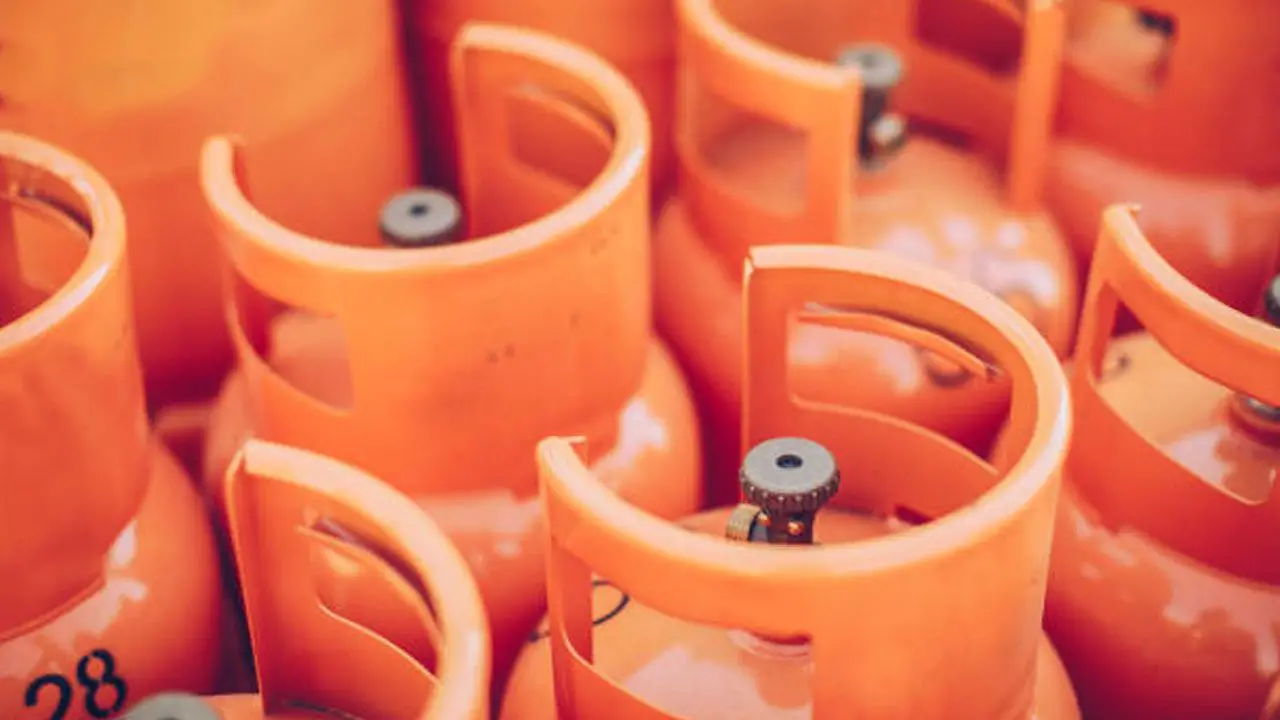
The increasing availability of locally produced cooking gas has yet to bring relief to consumers, as prices continue to rise across Nigeria.
Recent data from the Nigerian Midstream and Downstream Petroleum Regulatory Authority showed that domestic sources now provide most of the country’s Liquefied Petroleum Gas needs, reducing reliance on imports. Local refineries and gas processing facilities supplied thousands of tonnes of LPG daily over the past year, while imported volumes dropped significantly.

Ordinarily, the increase in local production would be expected to stabilise prices. However, many households are paying almost twice what they spent on cooking gas a few months ago, with prices approaching N2,000 per kilogramme in some locations.
Industry operators say the problem extends beyond production levels. They point to transportation difficulties, supply disruptions and distribution inefficiencies as factors driving costs upward even as more gas becomes available within the country.
The situation has placed additional pressure on households already struggling with rising living costs. For many families, cooking gas is becoming less affordable, forcing some to turn to firewood and charcoal as cheaper alternatives.
The development comes despite improvements in gas infrastructure and increased output from major domestic facilities, including supplies linked to the Dangote refinery. Several strategic gas pipeline projects are also nearing completion and are expected to improve the movement of gas across the country once fully operational.
Stakeholders argue that while growing local production is a positive step, it will not automatically reduce prices unless bottlenecks in the supply chain are addressed. They believe better distribution networks and market stability are needed to ensure consumers benefit from increased production.
The Nigerian Association of Liquefied Petroleum Gas Marketers recently expressed concern over the situation, describing the rising cost of cooking gas as “sad and rather very pathetic”.
“The citizens of Nigeria have woken up to buy cooking gas, which should be a social item, at a prohibitive cost of over N1,500 per kg, while the marketers are made to pay as much as N25,200,000 or, depending on the location, N26,200,000 for 20 metric tonnes of cooking gas.
“We feel that if the situation is not immediately checked, the citizens may rise against the owners of gas filling stations,” the marketers warned.
The association said the persistent increase in LPG prices is affecting millions of households, food vendors and small businesses, while also threatening efforts to expand the use of clean cooking energy in Nigeria.
