

The counsel to Nnamdi Kanu, Aloy Ejimakor, leader of the Indigenous People of Biafra (IPOB), says the Biafra question should be addressed through dialogue and negotiation rather than law enforcement actions.
Speaking in an interview on 90MinutesAfrica with Rudolf Okonkwo, Ejimakor described the Biafra agitation as a political matter rooted in calls for self-determination.

He said such agitations should be managed through engagement with stakeholders rather than arrests, prosecutions or other coercive measures.
“When people engage in agitations for self-determination, they are actually asking to come to the table,” he said.
“The best answer to such agitations is not the use of law enforcement but dialogue.”
Ejimakor argued that the continued separatist agitation in the south-east shows that security responses alone have not addressed the underlying concerns.
He added that the federal government should engage advocates of self-determination in discussions about their grievances, noting that such an approach aligns with democratic principles.
He also referenced Article 20 of the African Charter on Human and Peoples’ Rights, which recognises the right to self-determination.
While noting that the government may reject secessionist demands, he said such decisions should come through negotiation rather than force.
“The state may refuse self-determination, but it must do so across the table through dialogue and negotiation,” he said.
Ejimakor further expressed concern over rising frustration in the south-east, warning that continued tensions could deepen feelings of alienation.
‘the buck stops at tinubu’s table’
He said that despite dissatisfaction among some residents, many people in the region still participate in Nigeria’s democratic process because they identify as Nigerians.
According to him, a major source of grievance remains the continued detention of Kanu, which he said is widely viewed in the south-east as an unresolved issue.
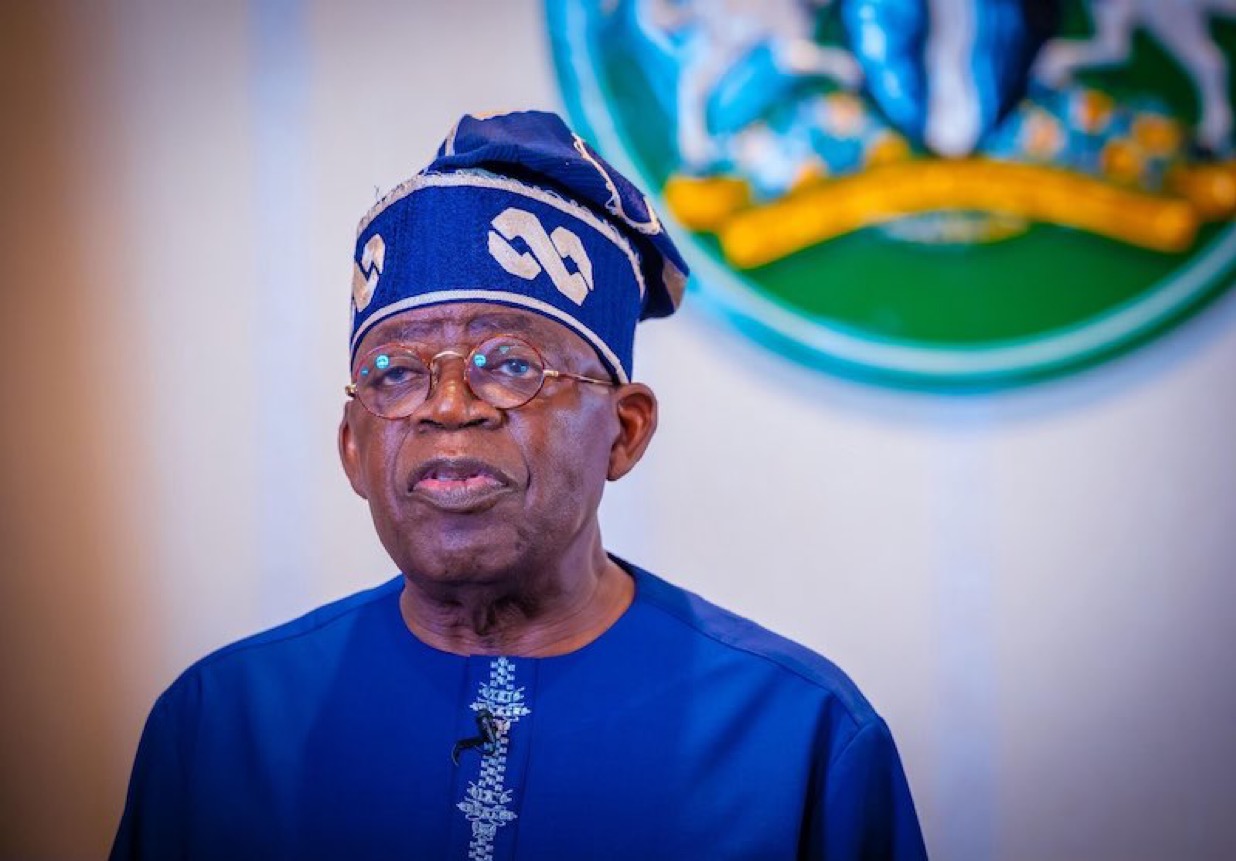
Ejimakor dismissed claims that south-east political leaders are responsible for Kanu’s continued incarceration, insisting that the responsibility lies with President Bola Tinubu.
He described the matter as a federal issue, arguing that the president has both the constitutional and political authority to intervene.
“The buck stops at the President’s table,” he said.
“Any narrative suggesting that south-east governors are responsible for Kanu’s continued detention is merely an attempt to shift responsibility away from the Presidency.”
Ejimakor added that blaming regional leaders could worsen divisions among Igbos and distract from efforts to resolve the issue at the federal level.
Kanu was sentenced in November 2025 to life imprisonment on terrorism charges by Justice James Omotosho of the federal high court in Abuja, with additional jail terms on other counts, and he is currently serving his sentence in a correctional centre in Sokoto.