

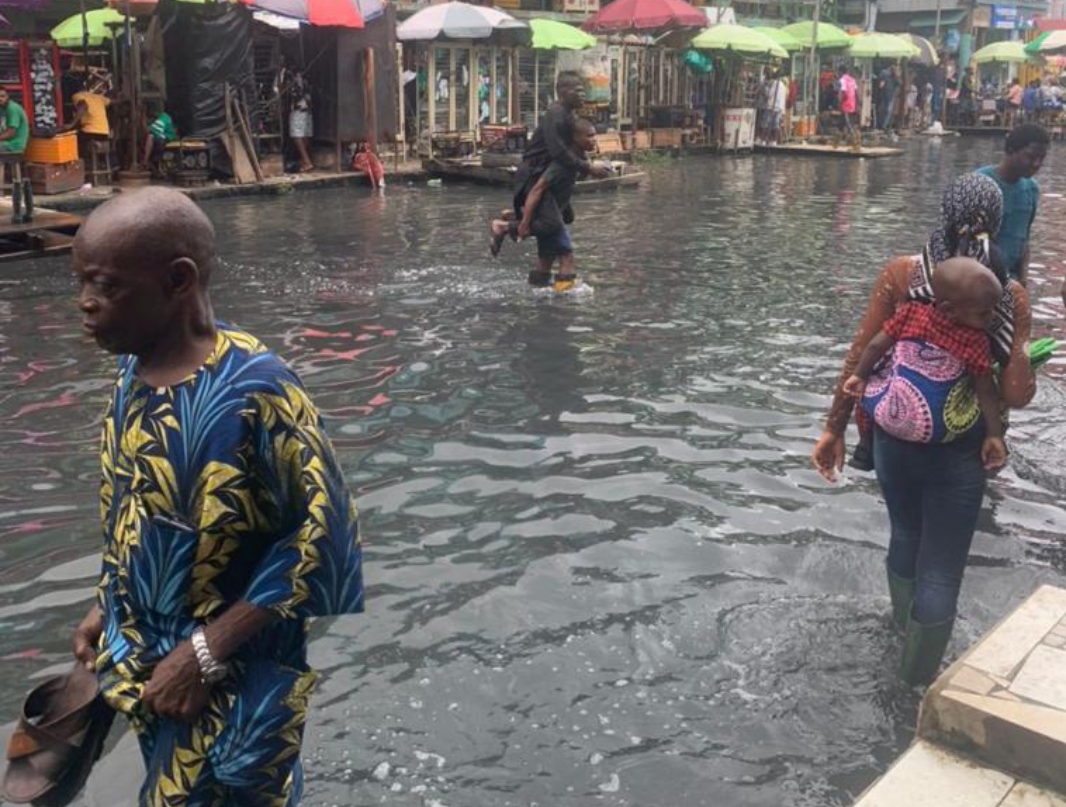
Every rainy season, floodwaters leave behind a familiar trail of destruction across many parts of Nigeria.
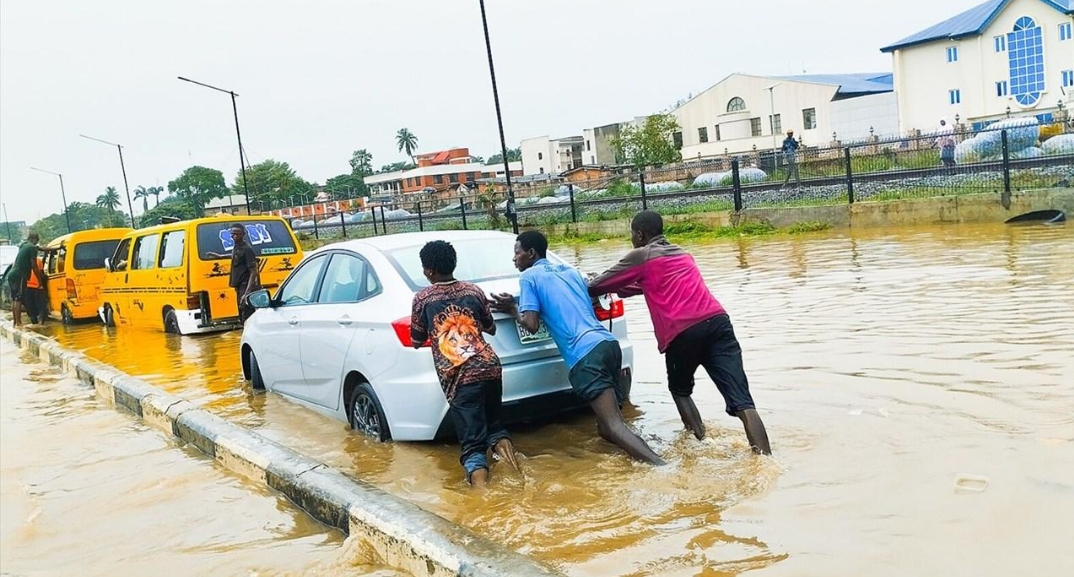

Homes are submerged, roads become impassable, vehicles break down and shop owners watch helplessly as water destroys goods they spent months paying for.
Television screens and social media are filled with images of stranded commuters, submerged streets and desperate residents trying to salvage what remains of their belongings.
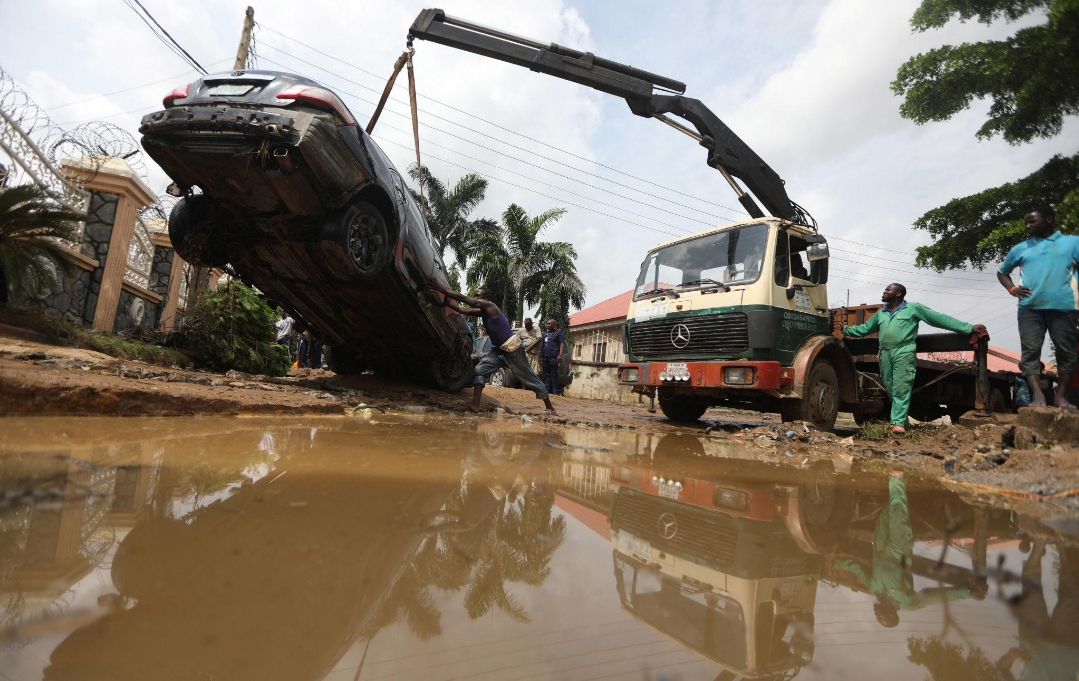
But after the floodwaters recede and public attention shifts elsewhere, another story quietly unfolds. It is a story rarely told, one of an economy that springs into action only after disaster strikes.
For every trader counting losses, there is a carpenter restoring damaged furniture. For every vehicle trapped in floodwater, there is a tow truck operator answering an emergency call. For every soaked mattress, there is a cleaner trying to make it usable again.
Every flood, while devastating for many, also creates work for thousands of Nigerians whose livelihoods depend on helping others recover.
Across flood prone communities, the aftermath of heavy rainfall marks the beginning of a busy period for mechanics, electricians, plumbers, furniture repairers, mattress cleaners, phone technicians, painters, welders and drainage cleaners.
While many businesses shut their doors during floods, these workers often receive more calls than at any other time of the year.
A flooded home does not simply dry on its own. Wooden wardrobes begin to swell, doors refuse to close properly, electrical fittings become unsafe, walls develop damp patches and expensive household items require urgent repairs.
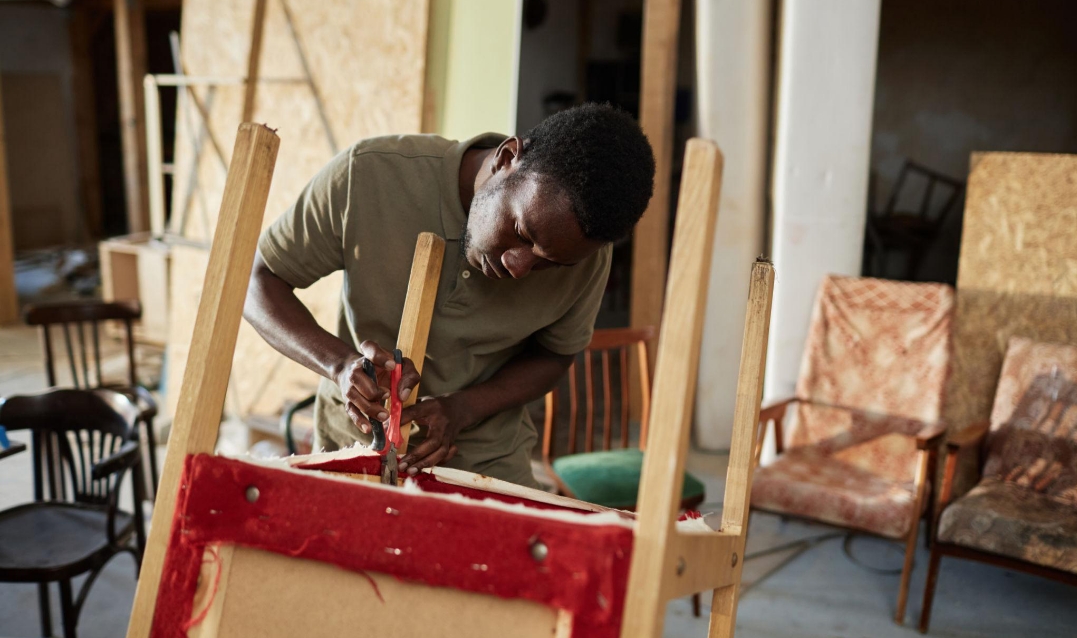
Families that have already suffered losses are forced to spend even more money restoring what the flood has damaged.
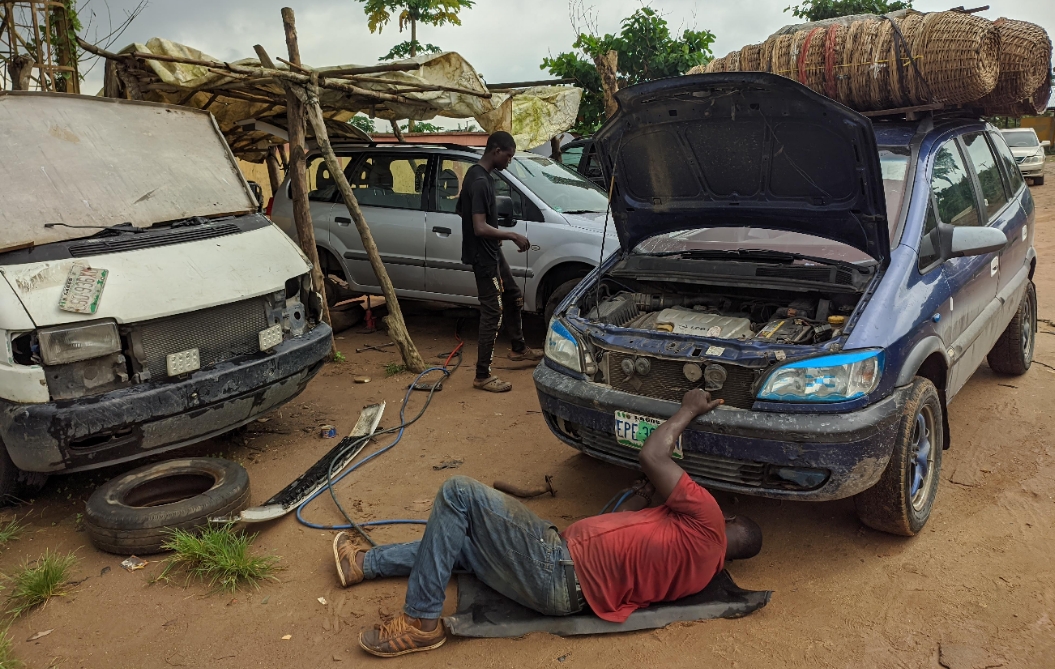
The same pattern is repeated on the roads. Vehicles driven through flooded streets frequently develop engine faults, damaged electrical systems and water contaminated fuel tanks.
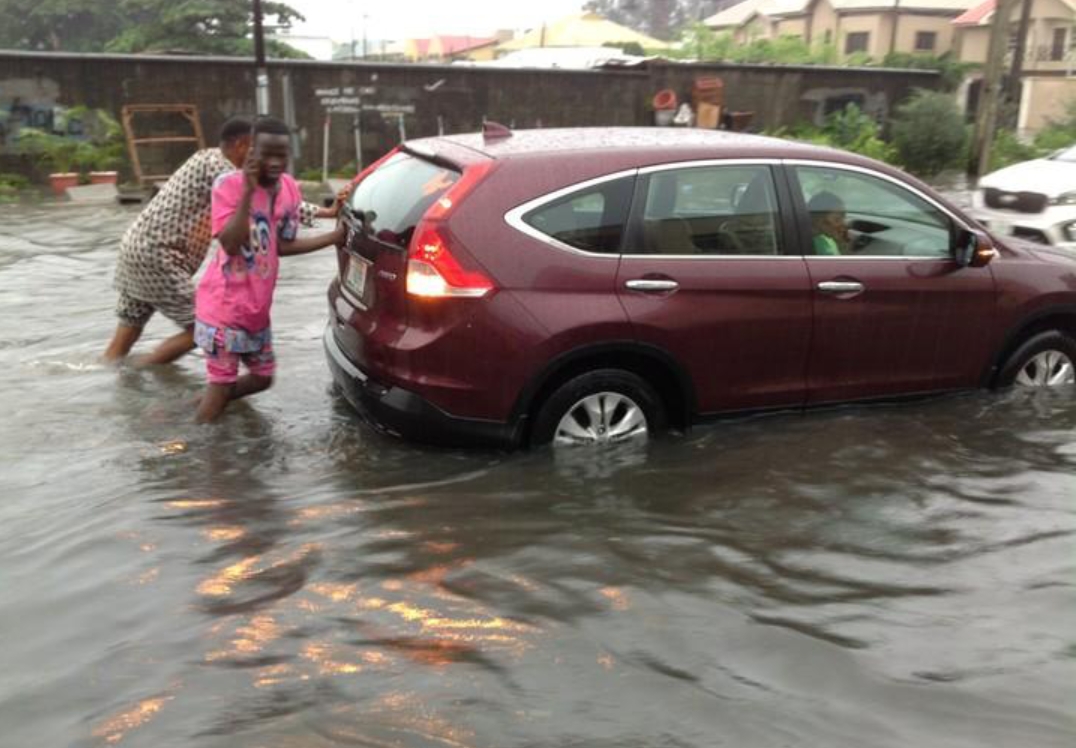
Mechanics say repairs after flooding are often more expensive than routine servicing, while towing companies see a sharp increase in requests whenever heavy rainfall leaves cars stranded.
Phone repair centres also record more customers bringing in devices damaged by rain or floodwater. For many people, recovering photographs, contacts and important documents stored on their phones becomes just as important as repairing the device itself.
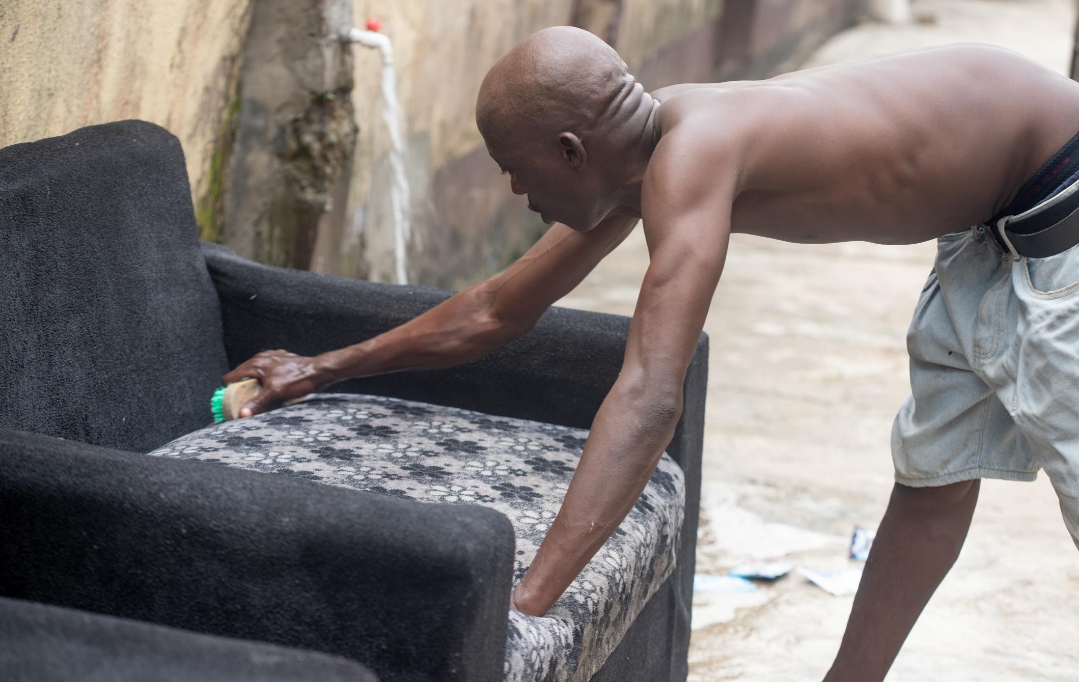
Cleaning businesses also experience a surge in demand. Floodwater often leaves behind thick mud, unpleasant odours and bacteria that require thorough cleaning before homes and shops can safely reopen.
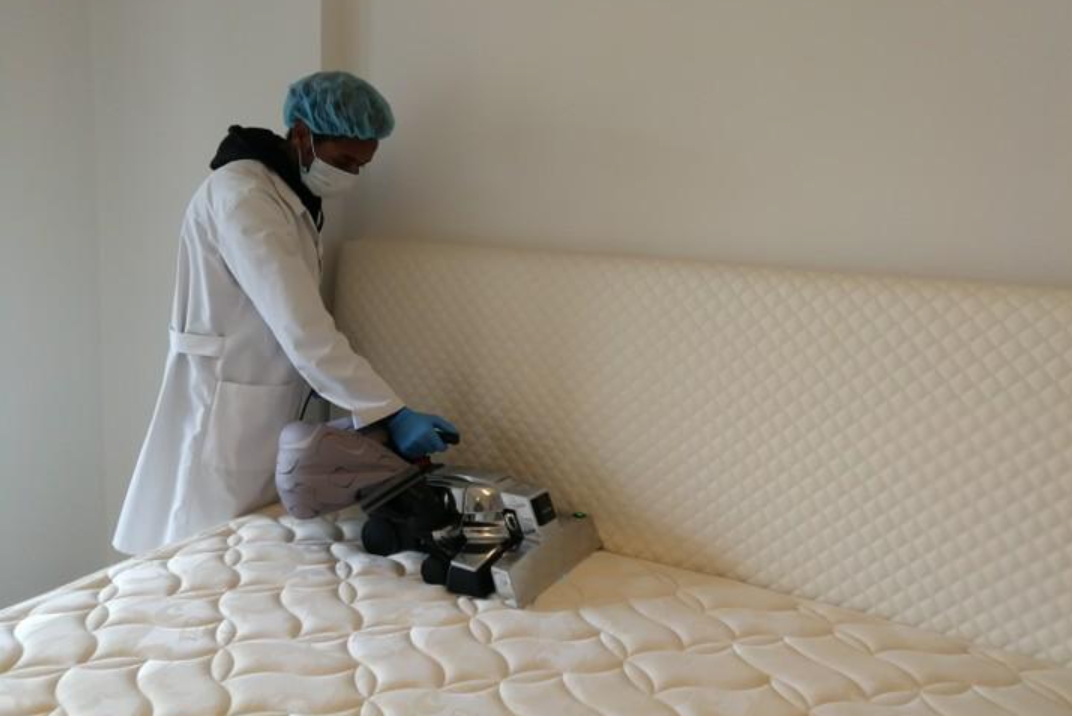
Upholsterers restore soaked sofas, carpet cleaners remove stubborn stains and labourers are hired to clear debris from compounds and business premises.
These businesses may not describe themselves as disaster recovery services, yet every rainy season they become an essential part of helping affected communities return to normal.
While some business owners acknowledge that flooding brings more customers, they are quick to point out that they do not celebrate the destruction. Every repair job begins with someone’s loss.
Every flooded vehicle belongs to a family facing unexpected expenses.
Every damaged shop represents a trader whose income has been interrupted. The increase in business comes at a price paid by someone else.
Experts say this growing recovery economy reflects a larger problem. Poor drainage systems, blocked waterways, indiscriminate waste disposal, weak urban planning and unchecked development continue to make flooding a recurring challenge in many Nigerian communities.
They argue that while the workers who repair, rebuild and restore damaged property provide valuable services, the real goal should be to reduce the need for those services through better flood prevention measures.
For small business owners, every flood brings uncertainty. Some lose weeks of income replacing damaged stock. Others spend months rebuilding after a single night of heavy rain.
Many operate without insurance, meaning the financial burden falls entirely on them.
Yet amid the destruction, ordinary Nigerians continue to demonstrate resilience. They rebuild shops, repair homes, restore damaged property and help neighbours recover, proving that even in difficult times, communities find ways to support one another.
Every flood therefore tells two stories. One is the story of families, traders and entrepreneurs struggling to recover from losses they never expected.
The other is the story of workers whose skills become indispensable in the aftermath of disaster.
Both stories are connected. One cannot exist without the other.
But perhaps the greatest measure of progress will not be the number of businesses that profit from recovery.
It will be the day when improved drainage, effective urban planning and stronger flood control measures mean fewer homes are damaged, fewer livelihoods are disrupted and fewer Nigerians are forced to rebuild their lives after every heavy rainfall.
Until then, every rainy season will continue to tell two stories, one of loss and another of livelihood, both unfolding long after the floodwaters have disappeared.
