

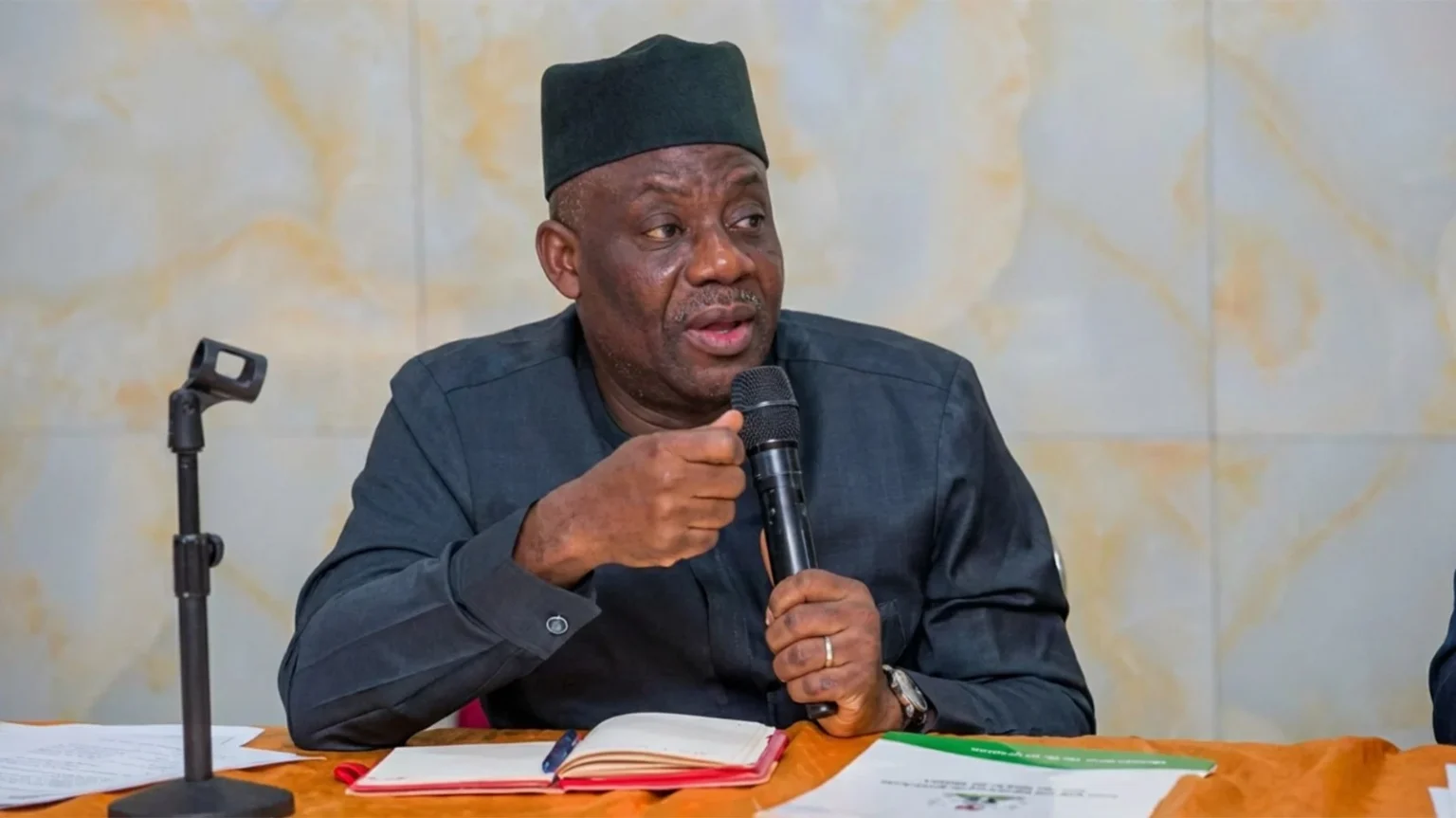
The Minister of Education, Tunji Alausa, has warned that several state governments risk missing out on the $552 million World Bank-funded HOPE-EDU programme if they fail to meet the conditions required for participation.
Speaking at the opening of a five-day retreat for state commissioners of education in Abuja, Alausa urged states to fast-track compliance with the programme’s requirements to access the performance-based funding aimed at improving basic education across the country.

He recalled that the Federal Government unlocked the $552 million HOPE-EDU facility in March 2026 to drive reforms focused on expanding access to education, improving learning outcomes and strengthening school systems nationwide.
According to a statement by his Special Adviser on Media and Communications, Ikharo Attah, many states are yet to complete key requirements, including signing Subsidiary Loan Agreements, opening dedicated programme accounts and fulfilling mandatory data reporting obligations.
The minister encouraged commissioners to work closely with the Federal Ministry of Education and the World Bank to meet the programme’s conditions and unlock funding for reforms in education governance and service delivery.
Alausa stressed that stronger collaboration between the federal and state governments is essential for meaningful education reforms, adding that reliable data must guide planning and decision-making.
He said President Bola Tinubu has made education a major priority under the Renewed Hope Agenda, while noting that state governments remain central to delivering quality education despite federal policy support.
The minister also praised the Committee of States’ Commissioners of Education for organising the retreat, describing it as an opportunity to strengthen cooperation and improve leadership in the sector.
He highlighted the rollout of the National Education Data Infrastructure and the Digitalised Nigeria Education Management Information System, saying both platforms would provide real-time data to support better planning, budgeting and monitoring.
Alausa urged all states to complete their annual school census through the digital platform, while commending Kaduna and Borno states for making notable progress.
“To sustain reform momentum, the Minister proposed that the Council of State Commissioners of Education institutionalise quarterly review meetings to promote peer learning, monitor progress, exchange best practices and strengthen collective accountability across the federation,” the statement read.
“He, however, cautioned against investing exclusively in expensive smart school infrastructure without adequate provisions for sustainability and maintenance, stressing that quality instructional materials, effective teacher support and conducive learning environments remain the most critical drivers of improved learning outcomes.”
He reiterated that improving education requires collective commitment from all stakeholders and called for sustained investment in data systems, accountability and collaboration to achieve lasting progress.
