

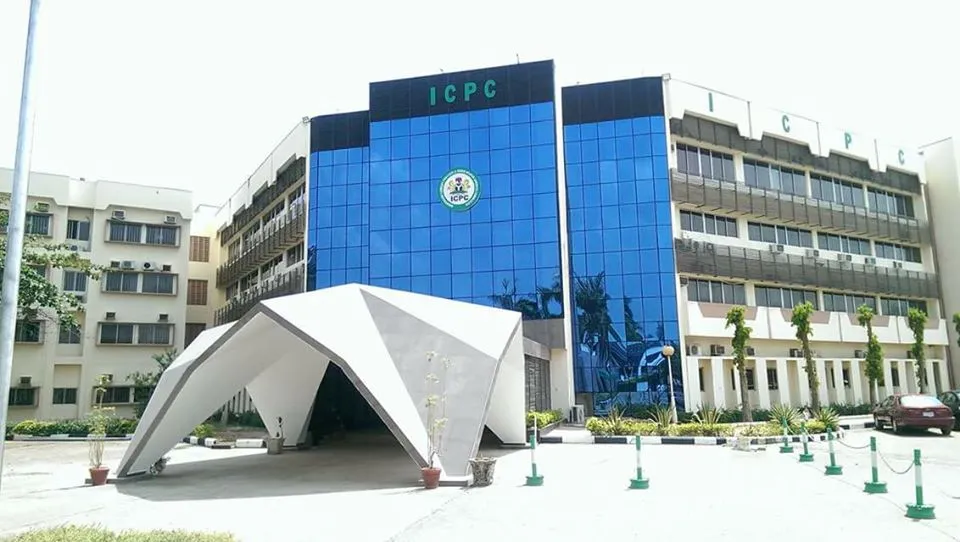
The Independent Corrupt Practices and Other Related Offences Commission has announced plans to station its personnel across all 30 local government areas of Osun State to monitor the August 15 governorship election and prevent vote-buying.
The disclosure was made on Thursday by the Resident Anti-Corruption Commissioner for Osun State, Yusuf Olatunji, during a public awareness rally organised by the commission in Osogbo to sensitise residents on the dangers of vote trading.

The campaign attracted corps members, officials of the Independent National Electoral Commission, ICPC staff and other participants, who moved through major parts of the state capital while educating residents in English, Yoruba and Hausa on the need to reject electoral corruption.
The procession began at Igbona Market, passed through Old Garage and Olaiya before ending at Alekuwodo Market. Campaign leaflets highlighting the consequences of vote-buying were also distributed to members of the public.
Speaking after the rally, Olatunji said the exercise was aimed at reinforcing the commission’s zero-tolerance stance against vote-buying and vote-selling.
“We are out here to let the people of the state to know that vote buying is a crime under Nigerian law. From the ICPC, we will not be tolerating vote buying or selling and anybody culpable of this will be arrested and prosecuted.
“The Commission has made adequate arrangements to deploy our personnel to all the 30 local governments to monitor the election to ensure that vote buying is eradicated.
“We want to appeal to the voters that they should not encourage vote buying. Don’t let anybody deceive you with money. Anybody that engages in such – both giver and taker – is liable and will be punished,” Olatunji said.
He urged residents to help safeguard the integrity of the electoral process by refusing to exchange their votes for money or other inducements.
According to him, although vote-buying may provide temporary financial benefits, it ultimately weakens democracy by producing poor leadership and slowing development.
“Vote buying and vote selling may appear to offer temporary financial relief, but they inflict lasting damage on our democracy. When votes become commodities, leadership becomes a transaction rather than a mandate. The consequences are evident: poor governance, unfulfilled promises, inadequate infrastructure, insecurity, unemployment,and declining public confidence in democratic institutions.
“Every voter must understand that the money offered in exchange for a vote may be spent within a few days, but the effects of electing the wrong leaders may be felt for years. No amount of money is worth sacrificing quality education for our children, better healthcare good roads, employment opportunities, and sustainable development.”
Fourteen political parties are expected to participate in the August 15 governorship election, with the incumbent governor, Ademola Adeleke of the Accord Party, seeking another term in office.
