

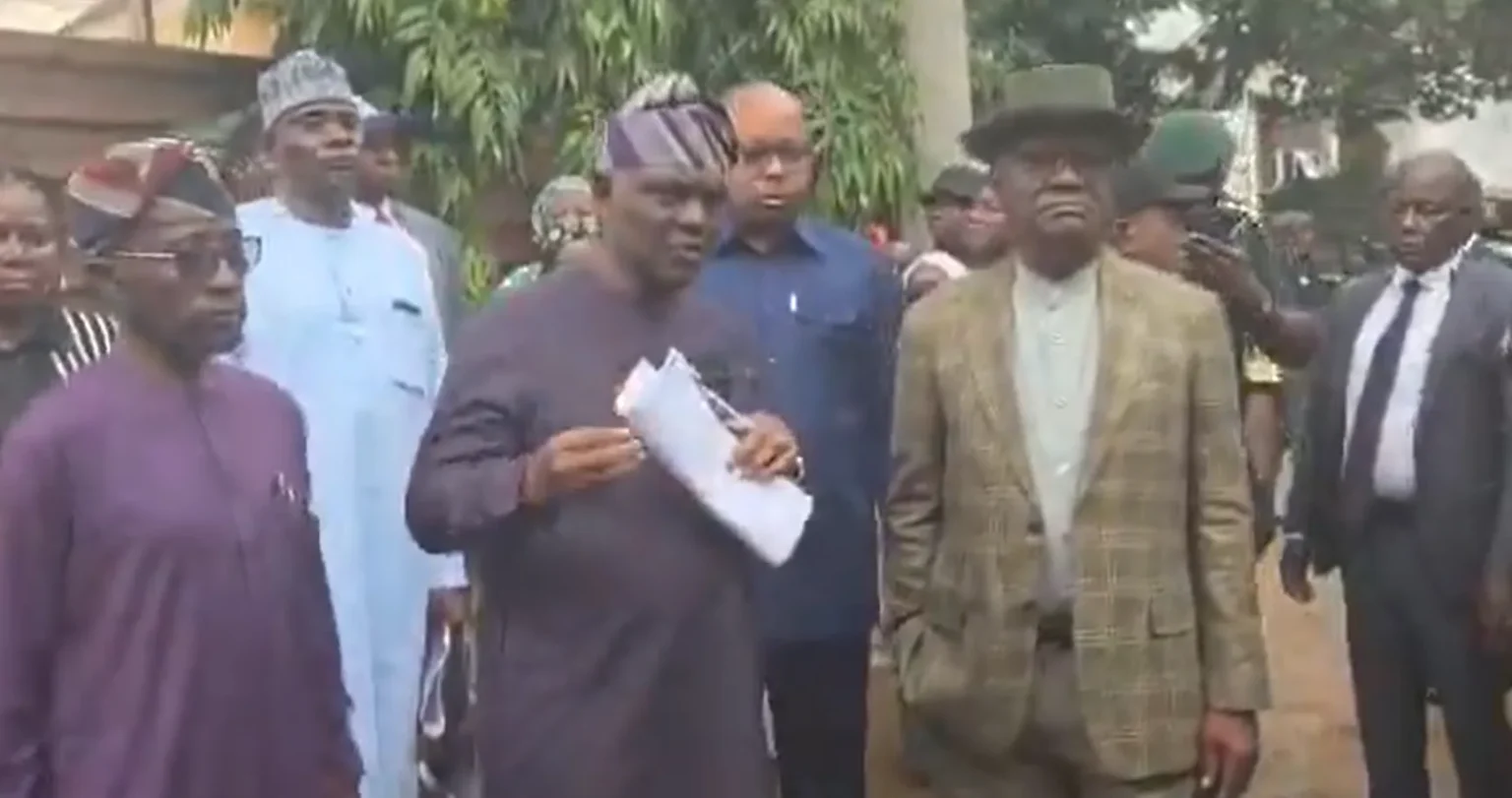
FCT Minister Nyesom Wike has inspected areas hit by flooding in Abuja, where he discovered a structure sitting on land that had previously been withdrawn for public use.
Wike visited parts of Maitama on Tuesday following the flooding recorded in the capital after heavy rainfall over the weekend.

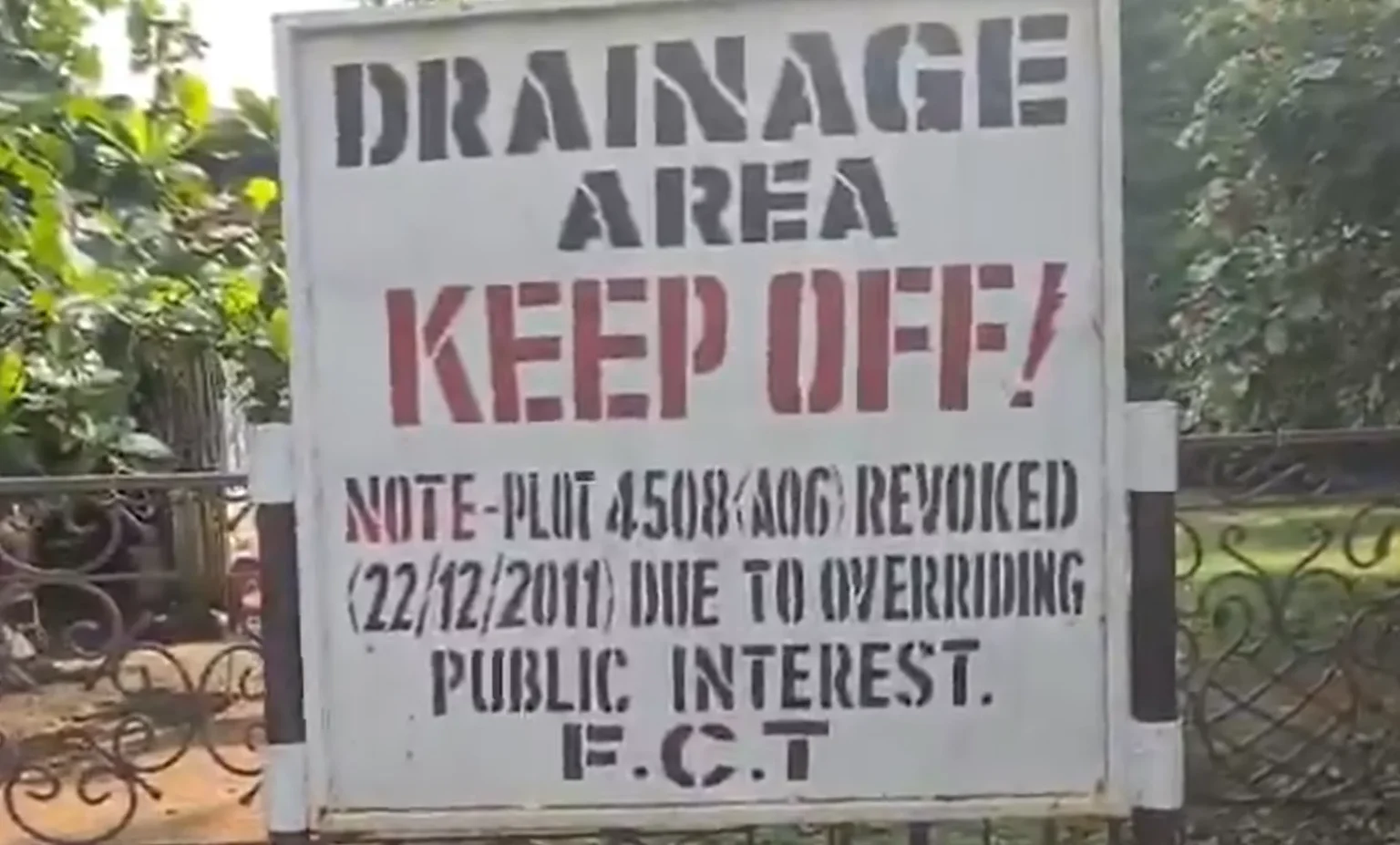
During the inspection, the minister was taken to a drainage area where a structure had been erected despite the plot being revoked in 2011.
Lere Olayinka, Wike’s Senior Special Assistant on Public Communications and Social Media, shared footage from the visit and explained the status of the property.
“The spot here is a Drainage Area. It was allocated, but REVOKED in 2011. Structure was built on it,” Olayinka wrote.
A notice at the location also warned people to stay away from the plot and indicated that it had been revoked because of overriding public interest.
The discovery comes as flooding in several parts of Abuja continues to generate concerns about the state of the capital’s drainage network and the development of areas meant to serve as waterways.
Some residents and critics have linked the flooding to blocked drainage channels, construction around waterways and poor drainage infrastructure.
However, Olayinka defended the FCT Administration, saying flooding in Abuja did not begin with Wike’s tenure.
He said the recent downpour caused temporary flooding in some locations, with the water later receding, while accusing activist Deji Adeyanju of using the incident to attack the minister.
“Even though the FCT Administration under Nyesom Wike, is mindful of this development and is taking steps to forestall future occurrence, it is funny that characters like this Online Baseless Lawyer who is always looking for attention has been shouting WIKE HAS DESTROYED ABUJA since yesterday, as if last Saturday was the first time some areas in Abuja got flooded,” Olayinka said.
He recalled that flooding had also affected areas including Wuse, Jabi and Lokogoma in 2019, while Lokogoma, Efab Estate, Gudu and surrounding bridges experienced similar incidents in 2022.
Olayinka attributed the recurring problem partly to Abuja’s rapid expansion, saying drainage systems, waste disposal and enforcement of planning rules had struggled to keep up with the city’s development.
He also pointed to the removal of drainage covers by scavengers, saying the practice allows refuse to enter and block drainage channels.
According to him, the FCT Administration is now reviewing the 1979 Abuja Master Plan to address present-day challenges.
He added that new drainage covers were being installed with designs aimed at making them harder for scavengers to remove.
