

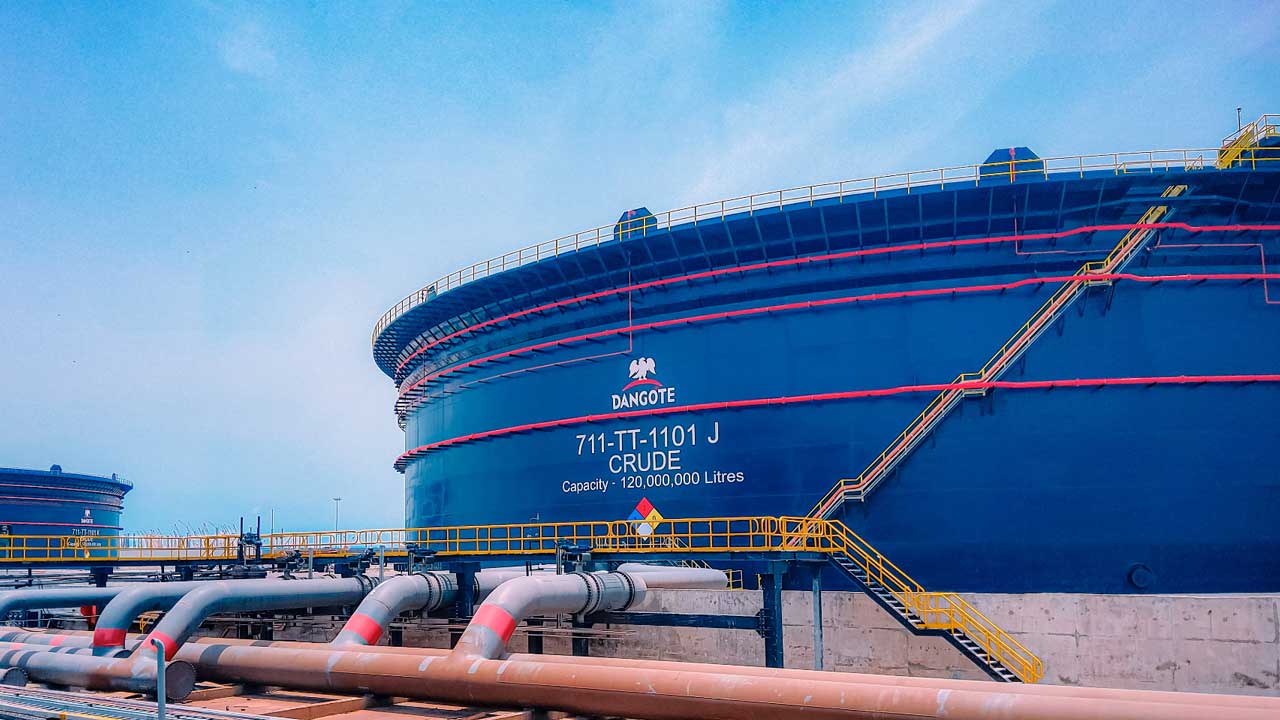
The Dangote Petroleum Refinery and Petrochemicals FZE has increased the price of Premium Motor Spirit (petrol) from ₦1,185 to ₦1,200 per litre, with the new rate taking effect on August 26, 2026.
The refinery announced the adjustment in a notice sent to customers on Tuesday, outlining revised prices for gantry and coastal deliveries.

The communication, titled ‘PMS Price Change Communication (N1,185 per Litre To N1,200 Per Litre)’, instructed customers to take note of the new prices for the refinery’s PMS gantry and coastal supplies.
Under the revised pricing structure, the coastal price increased from ₦1,562,265 to ₦1,582,380 per metric tonne, while the gantry price rose from ₦1,185 to ₦1,200 per litre.
The refinery also directed customers to return existing Authorisation to Collect documents for repricing before receiving new volume contracts to resume loading.
“You are advised to return all ATCs for repricing, and a new volume contract will be issued for immediate loading resumption. Should you require any further clarification, please do not hesitate to contact us,” the notice said.
The latest adjustment represents a ₦15 per litre increase and comes only days after the refinery raised the price from ₦1,165 to ₦1,185 per litre. That earlier increase took effect on August 21.
Despite the latest hike, international crude oil prices have been declining. Data cited in the report showed West Texas Intermediate crude at $82.13 per barrel, down 3.39 per cent, while Brent crude fell to $88.37 per barrel, representing a 4.12 per cent decline. Murban crude also dropped to $92.71 per barrel.
The latest increase could push petrol pump prices higher as marketers account for transportation and other downstream costs. Average retail prices are expected to rise towards ₦1,250 per litre.
The adjustment also comes amid renewed volatility in the global oil market linked to the ongoing US-Iran conflict. According to the report, investors viewed the latest US sanctions against Iran as less threatening to global oil supplies than a direct military escalation.
However, analysts warned that oil prices could rise sharply if Iran responds militarily, while continued disruption around the Strait of Hormuz could further affect global supplies.
The waterway reportedly handled around one-fifth of global oil consumption before the conflict, making the region particularly important to international energy markets.