


The first smartphone a child receives can feel like a reward.
For the parent, it may be a way to stay connected with the child, especially when the child is away at school or with relatives. For the child, however, that small device can open the door to an enormous digital world.

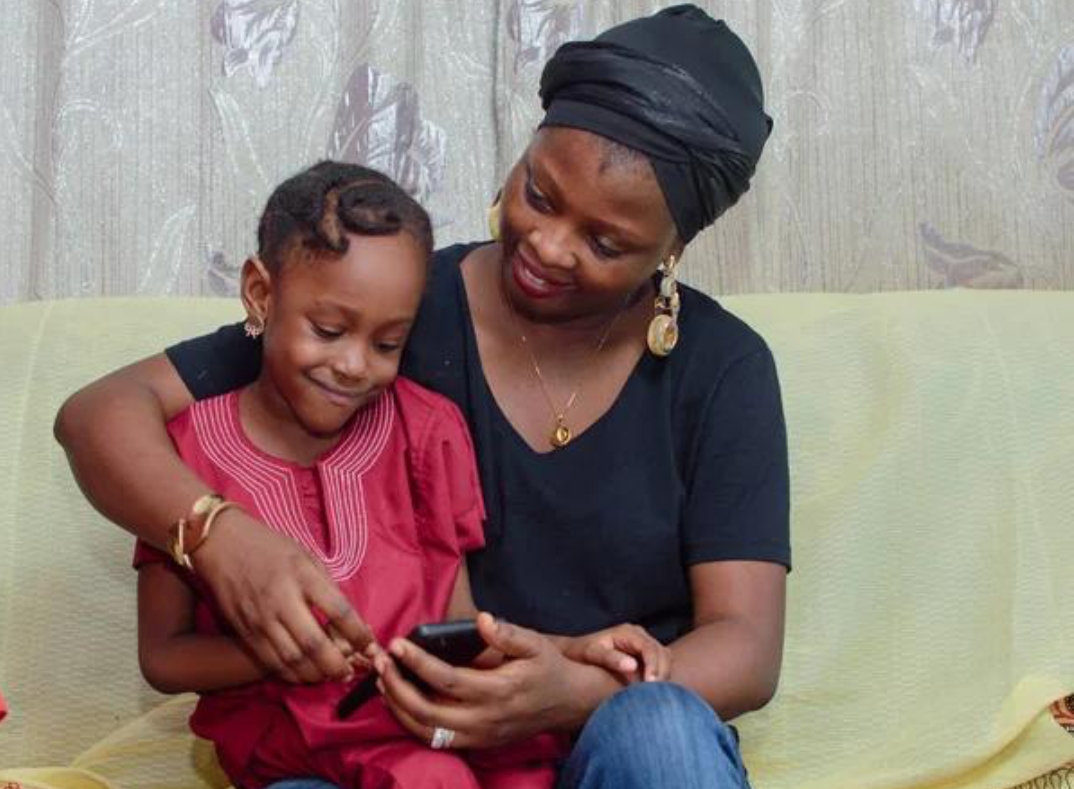
Within minutes, a smartphone can take a child from a school lesson to YouTube, TikTok, online games, group chats and conversations with people the family has never met.
That is why giving a child a smartphone is not simply a technology decision. It is also a parenting decision.
The challenge for Nigerian parents is finding a balance between allowing children to explore the opportunities technology provides and protecting them from risks they may not yet understand.
Before the phone, have the conversation
One mistake parents can make is handing a child a smartphone without discussing what comes with it.
Rules should be explained before problems arise.
Children need to understand that the internet is not the same as their home or school environment. Not everyone they meet online is a friend, and not everything they see on a screen is true.

A child should know that personal details such as their home address, school location, passwords and private photographs should not be shared casually.
They should also know what to do when something online makes them uncomfortable.
The message should be simple: if something feels wrong, tell an adult.
A smartphone can be a classroom
It is easy to focus only on the dangers of children’s internet use and forget how useful technology can be.
A smartphone can give a child access to educational videos, digital libraries, language lessons, tutorials and creative tools.

A secondary school student can learn how to code. Another child can practise mathematics through an educational application. Someone interested in drawing, music or photography can begin developing the skill with a device already in the house.
For parents, the question should therefore not only be, “How long was my child on the phone?”
It should also be, “What did my child do with the phone?”
The hidden problem with endless scrolling
Not all screen use is the same.
A child researching a school project and another spending hours moving from one short video to another are having very different digital experiences.
This is why simply setting a daily screen-time limit may not solve every problem.
Parents should pay attention to the type of content their children consume and whether phone use is interfering with sleep, schoolwork, family interaction, physical activity or other responsibilities.
If a child becomes extremely upset whenever the device is taken away, regularly stays awake late because of the phone or begins withdrawing from normal activities, it may be time for the parent to examine how the device is being used.
Who is your child talking to?
This may be one of the most important questions parents can ask.
Children can communicate with people they have never met in person through games, social media and messaging platforms.
A stranger may present themselves as another child, claim to share the same interests or gradually build trust.
Children may not recognise manipulation when it is happening.
Parents should therefore explain that online friendships require caution and that an online contact should never pressure them into keeping secrets, sending private photographs, revealing personal information or meeting in person without a trusted adult knowing.
Don’t make fear the only lesson
There is a temptation to frighten children with stories about everything that can go wrong online.
But digital safety works better when children understand the reasons behind the rules.
Instead of simply saying, “Don’t talk to strangers,” parents can explain why someone online may not be who they claim to be.
Instead of confiscating a phone after every mistake, parents can use the situation to teach the child what should have been done differently.
The goal is to raise a child who can eventually make sensible decisions even when a parent is not standing beside them.
Parents should check their own habits
There is also a lesson for adults.
Children learn from what they see.
If parents spend every meal checking messages, scrolling through social media or answering calls, children may struggle to understand why they are being told to put their own phones away.
Families can establish periods when phones are kept aside, particularly during meals and family conversations.
Parents can also encourage activities that compete with the screen — sports, reading, music, household responsibilities, outdoor play and spending time with other people.
Technology will keep changing
Today’s children will grow up with technologies that may look very different from the smartphones their parents use now.
Artificial intelligence, virtual environments, increasingly personalised content and new forms of online communication are already changing the digital experience.
Parents cannot realistically learn about every new application before their children do.
What they can teach is a set of habits that remain useful regardless of the technology: protect personal information, question suspicious content, treat strangers carefully, ask for help when something feels wrong and understand that not everything online deserves attention.
For Nigerian families, the objective should not be to raise children who are disconnected from technology.
It should be to raise children who can use technology without being controlled by it.
A smartphone can be a powerful educational tool, a source of entertainment and a means of communication.
But ultimately, the most important digital safety tool in a child’s life may still be the same one parents have always had: an open conversation.
