

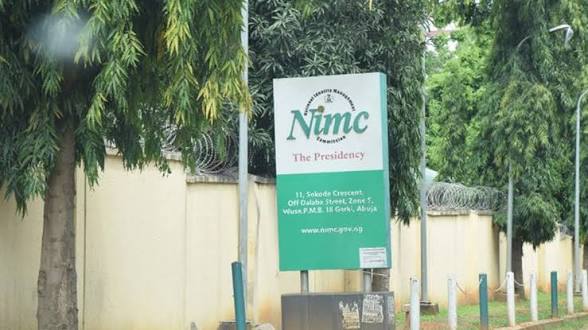
The National Identity Management Commission (NIMC) has refuted social media reports claiming that Nigeria’s National Identification Number (NIN) database has been compromised.
In a statement issued by its Head of Corporate Communications, Kayode Adegoke, and shared on the Commission’s official X account on Thursday, NIMC described the allegation as “false and unfounded.” The agency explained that the video being circulated is an old report from 2024, which had already been debunked.

NIMC said, “The Commission National Identity Database (NIDB) has not been breached or compromised at any point.”
The commission added that it maintains “robust, multi-layered security infrastructure” to protect the personal data of registered citizens and legal residents, in line with international best practices.
It expressed concern over the circulation of what it described as unverified claims, warning that such reports could mislead the public and cause unnecessary panic.
“NIMC urges the public to disregard the video’s content and obtain information about the National Identity Management System only from NIMC’s official channels,” the statement said.
The commission also highlighted its recently launched NIN Authentication (NINAuth), which it described as a suite of web, API and mobile verification services designed to strengthen data security and privacy.
According to NIMC, NINAuth requires the explicit consent of the NIN holder before data is shared for Know Your Customer (KYC) processes or other verification purposes.
“With NINAuth, individuals can securely verify their identity for services such as SIM registration, immigration and passport processing, tax filings, and financial transactions—without unnecessarily exposing their raw NIN or personal data,” the Commission said.
NIMC said the initiative is part of its efforts to comply with the NIMC Act 2026 and the Nigeria Data Protection Act 2023, which provide for the fair, lawful and transparent handling of personal data.
The commission reiterated its commitment to protecting the identity information of Nigerians and legal residents and said it would continue working with relevant security agencies to strengthen its systems and public engagement against misinformation.
