


Not every Nigerian who opens TikTok is looking for a dance video or the latest trend.
For some users, TikTok has quietly become a place to find answers.

Need to know where to get affordable clothes in Lagos? Search TikTok. Looking for a restaurant before visiting? TikTok. Want to know what a NYSC camp looks like, where to buy a particular product or how to fix a phone problem? There is a good chance someone has already made a video about it.
This has changed the way many young Nigerians use the platform.
What started largely as an entertainment app has gradually become a search tool, with ordinary users providing information based on their experiences.
A person who visits a restaurant can record the food, prices and environment. Someone who discovers a cheaper market can show others where it is. Another user can explain how to complete an online application or share their experience with a government service.
In the process, these users become something like human search results.
From Google to TikTok
For years, Google has been the obvious place to go when people wanted answers online.
But TikTok offers something different.
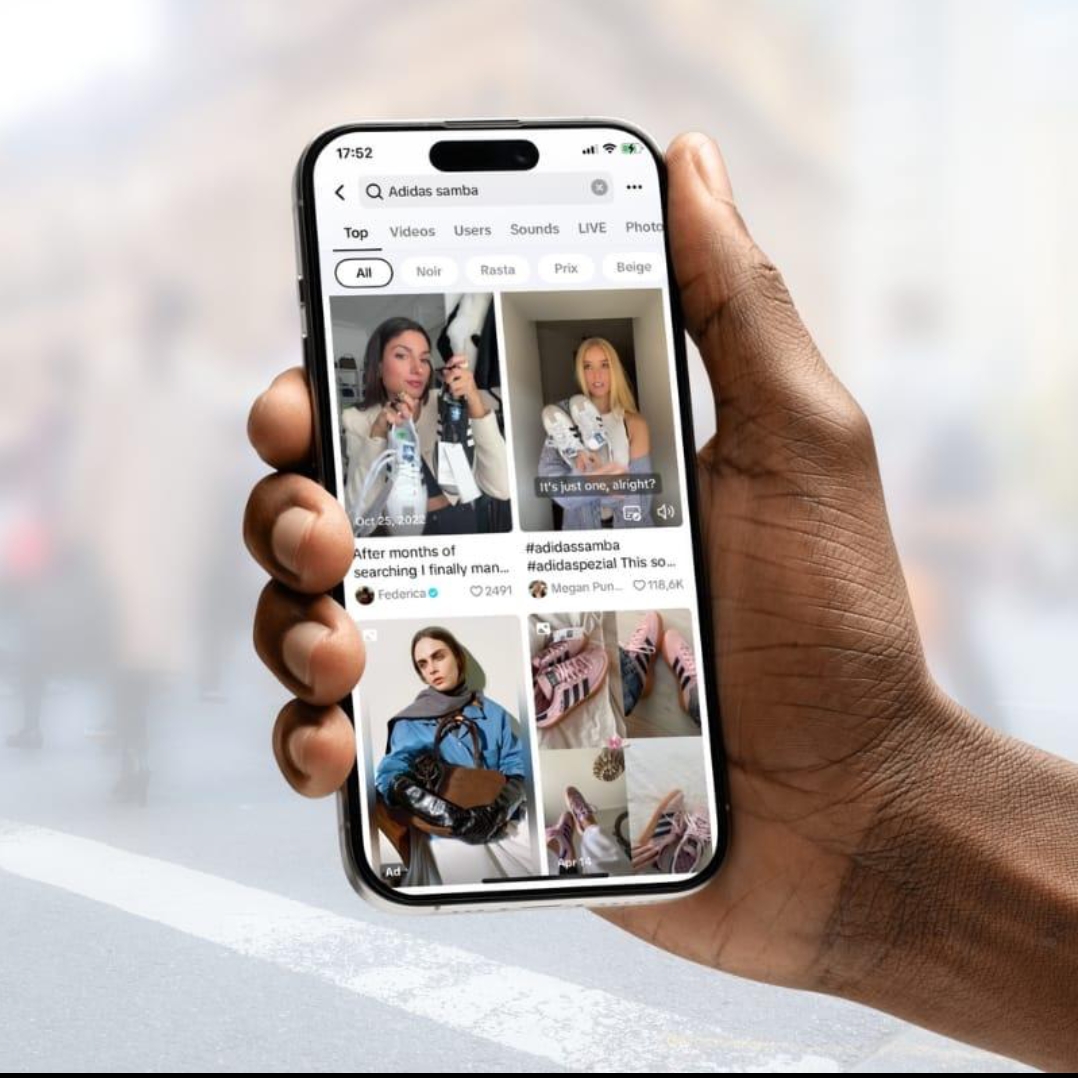
Instead of reading several websites to find out what a place looks like, users can watch somebody walk into the place and show them.
A person searching for a restaurant, for example, may see the entrance, the sitting area, the food, the menu and sometimes the prices within a few minutes.
The same applies to products and services.
A potential buyer can watch several people review the same phone, laptop, wig, fashion item or household product before deciding whether to spend money on it.
For users, the experience can feel more personal because they are seeing another person demonstrate or explain what they are searching for.
Anyone can become the answer
The interesting part is that these information providers are not necessarily experts.
They can be students, workers, business owners, content creators or just people who happened to experience something and decided to record it.
A Lagos resident may post a video showing how to get to a particular location.
Another person may explain where to find a particular item in a market.
Someone who recently went through a registration process may explain the steps to others.
The creator may not have millions of followers, but their video can still become useful to someone searching for exactly that information.
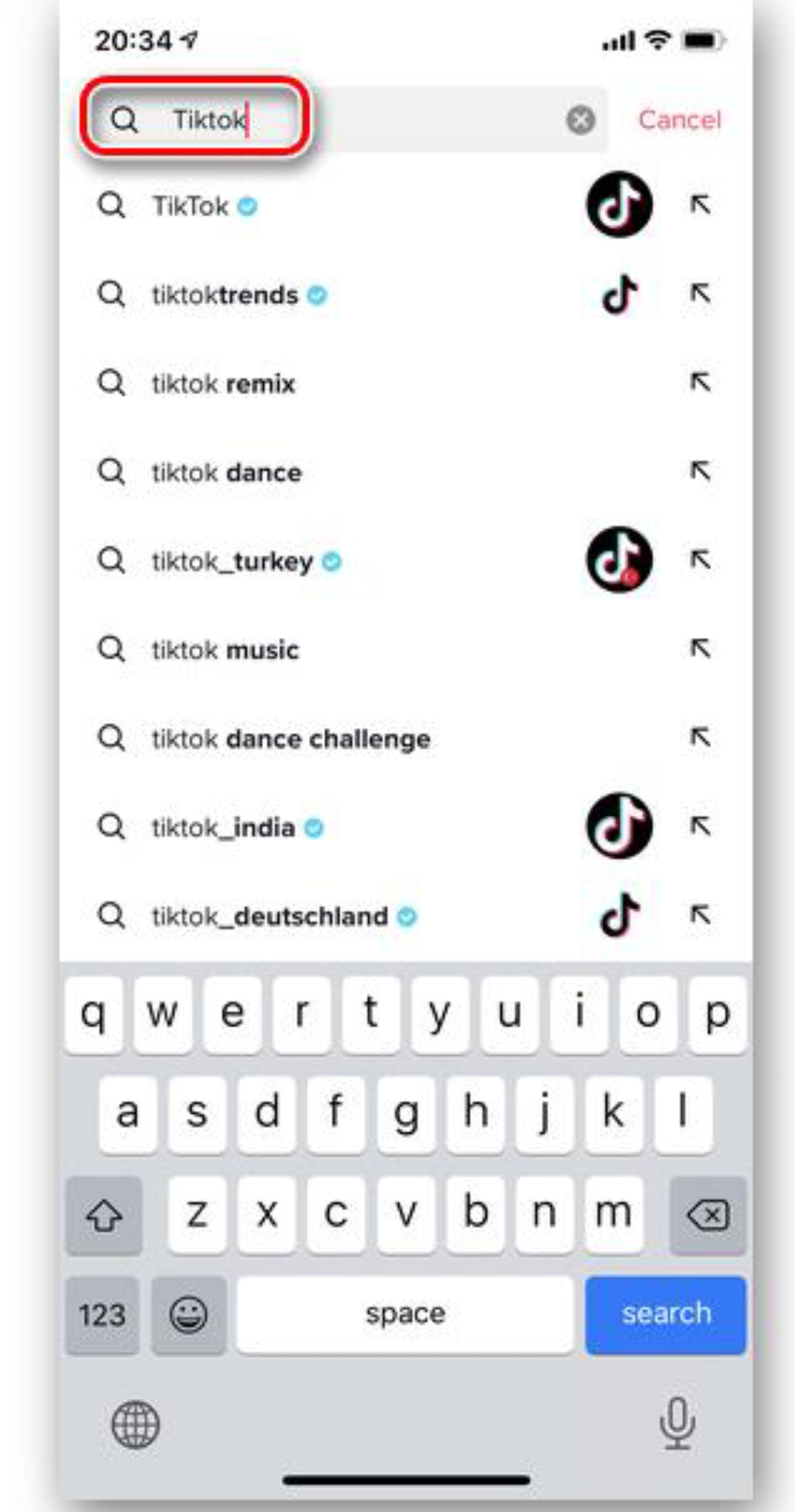
This is where TikTok’s search culture becomes different from traditional search.
People are not only searching for information. They are searching for other people’s experiences.
Why the trend matters in Nigeria
Nigeria has a huge informal economy, and much of what people need to know is not always available on official websites.
The best place to find a particular product may be known mainly by traders.
The easiest route to a location may be something locals understand better than a written description.
The actual price of a service may also differ from what is advertised online.
This is where TikTok videos can become useful.
A creator can show what a place actually looks like, explain what they paid and tell viewers what they experienced.
But that convenience comes with a warning.
Not everything on TikTok is true
A video having thousands of views does not automatically make the information accurate.
Prices change. Locations change. Rules change. And personal experiences can be presented as if they apply to everybody.
There is also the problem of creators leaving out important details or exaggerating their experiences because they want more views.
For that reason, information about health, money, security, government procedures and other sensitive issues should not be accepted simply because it appears in a viral video.
Users still need to verify important claims from reliable sources.
A new kind of digital guide
Despite the risks, TikTok’s growing role in search shows how ordinary people are changing the way information moves online.
A person who once shared a video only with friends can now provide information to thousands of strangers.
A small business owner can become a product guide.
A traveller can become a local guide.
A student can become a source of information for other students.
And someone who simply knows their neighbourhood well can help another person discover a place they have never visited.
The result is a different kind of search engine — one powered not just by websites and algorithms, but by people’s experiences.
For millions of Nigerians scrolling through TikTok every day, the next answer they need may not come from a website.
It may come from an ordinary person holding a phone.
