

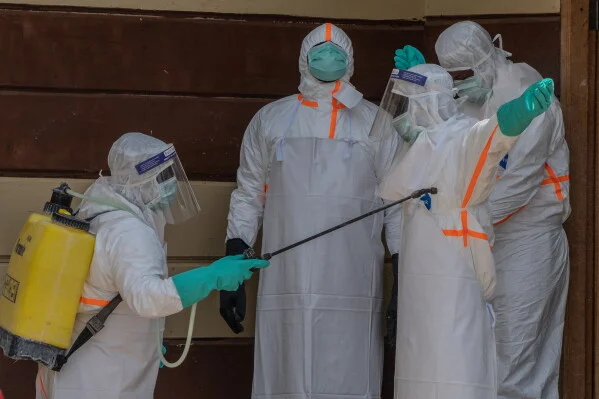
The Nigerian Government has confirmed the first case of the Bundibugyo strain of the Ebola virus in the Federal Capital Territory (FCT), raising concerns about the need for public awareness and preventive measures.
Ebola is a serious viral disease that can spread through direct contact with the blood or other bodily fluids of an infected person or animal, according to the Nigeria Centre for Disease Control and Prevention (NCDC).

Following the reported case, understanding how the virus spreads, recognising its symptoms and adopting appropriate safety measures are essential to reducing the risk of infection.
How does Ebola spread?
Ebola can spread through direct contact with the bodily fluids of an infected person who has developed symptoms. Transmission can also occur through contaminated objects and materials.
Possible routes of transmission include:
-
Contact with the blood, sweat, saliva, vomit or other bodily fluids of an infected, symptomatic person.
-
Touching contaminated materials, such as clothing and bedding, that have been exposed to infected bodily fluids.
-
Handling or consuming infected wild animals.
-
Contact with the body of someone who has died from Ebola without appropriate protective equipment and safety procedures.
People should avoid contact with suspected cases and leave the handling of potentially infectious materials or bodies to trained health professionals.
What are the symptoms of Ebola?
Ebola symptoms typically develop between two and 21 days after exposure to the virus.
Common symptoms include:
-
Fever
-
Vomiting
-
Headache
-
Diarrhoea
-
Weakness and fatigue
-
Muscle pain
-
Sore throat
-
Bleeding in some cases
Symptoms may initially resemble those of other illnesses, making prompt medical assessment important when a person develops symptoms after a possible exposure.
Anyone who suspects they may have been exposed to Ebola should seek immediate guidance from public health authorities or a healthcare professional. They should avoid close contact with others and call ahead before visiting a healthcare facility so that appropriate precautions can be arranged.
How can you protect yourself from Ebola?
The following precautions can help reduce the risk of infection:
-
Wash your hands regularly: Use clean running water and soap. An alcohol-based hand sanitiser can be used when appropriate.
-
Avoid contact with bodily fluids: Do not touch the blood, vomit or other bodily fluids of someone who may be infected.
-
Avoid unsafe handling of dead bodies: Do not touch or prepare the body of someone suspected to have died from Ebola. Trained professionals should follow established safety procedures.
-
Handle food safely: Avoid contact with potentially infected wild animals and ensure meat is handled hygienically and thoroughly cooked.
-
Practise caution around suspected cases: Follow public health advice and avoid close contact with anyone suspected of having Ebola until they have been assessed.
-
Follow infection-control procedures: Healthcare workers should use appropriate personal protective equipment (PPE) and follow established infection prevention and control guidelines.
-
Follow official updates: Rely on the NCDC and other relevant health authorities for verified information about the outbreak.
Ebola myths and facts
Myth: Ebola spreads through casual contact, such as handshakes and hugs.
Fact: Ebola is not generally spread through casual contact alone. Transmission occurs when a person comes into direct contact with the bodily fluids of an infected person who is experiencing symptoms, or with contaminated materials.
Myth: Ebola spreads through food and water.
Fact: Ebola is not ordinarily transmitted through drinking water or properly prepared food. However, food contaminated with infected bodily fluids or obtained from infected animals can pose a risk. Safe food handling remains important.
Myth: Ebola spreads through the air like influenza.
Fact: Ebola is not considered an airborne infection transmitted through the air in the same way as measles. Its main transmission route is direct contact with infected bodily fluids or contaminated materials. Avoiding contact with infectious materials remains essential.
Myth: Healthcare facilities are unsafe during an outbreak.
Fact: Healthcare facilities can reduce transmission risks by implementing appropriate infection prevention and control measures, including patient screening, hand hygiene, isolation procedures and the correct use of PPE.
People who suspect exposure should not avoid seeking medical advice. They should contact health authorities or a healthcare facility before arriving, where possible, to allow staff to prepare appropriate precautions.
Avoid panic and follow official health advice
As health authorities respond to the reported case in the FCT, residents should remain alert without spreading unverified claims.
The public should rely on official updates from the NCDC and other recognised health authorities, observe recommended precautions and report suspected exposure promptly.