


Modern vehicles are increasingly adopting advanced safety technologies designed to prevent road accidents, with some now using cameras and artificial intelligence to monitor drivers’ eyes and detect signs of sleepiness.
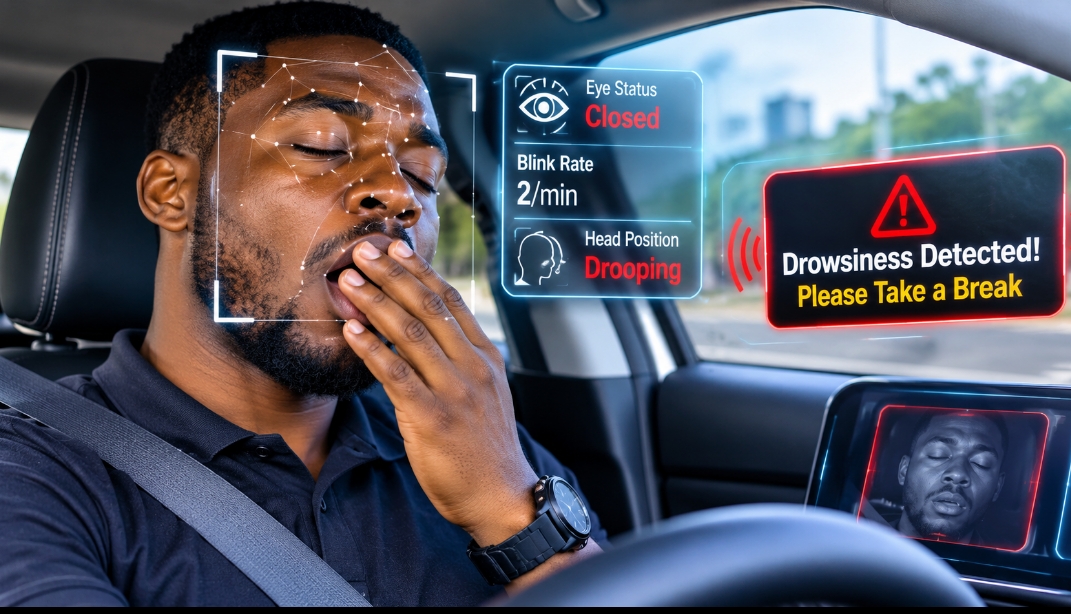
The technology, known as driver monitoring systems, uses cameras, sensors and computer software to observe a driver’s facial movements, eye activity and head position while driving.
By analysing how frequently a driver blinks, how long their eyes remain closed and whether their head begins to droop, the system can identify possible signs of fatigue or drowsiness.
When the technology detects that a driver may be falling asleep, it can issue warning signals through dashboard alerts, loud sounds or steering-wheel vibrations to encourage the driver to pay attention or take a break.
Some advanced systems can also detect distracted driving, including when motorists repeatedly look away from the road or focus on their mobile phones.
The technology is becoming an important feature in the development of modern vehicle safety systems, particularly as manufacturers explore ways to reduce accidents linked to driver fatigue and distraction.
Unlike traditional safety features that respond after a potential collision, driver monitoring technology is designed to identify warning signs before a dangerous situation develops.
However, the systems are not a replacement for responsible driving or adequate rest, as their ability to detect fatigue can vary depending on lighting conditions, camera positioning and other factors.
With artificial intelligence playing a growing role in the automotive industry, eye-tracking technology could become an increasingly important tool in efforts to make roads safer.
