

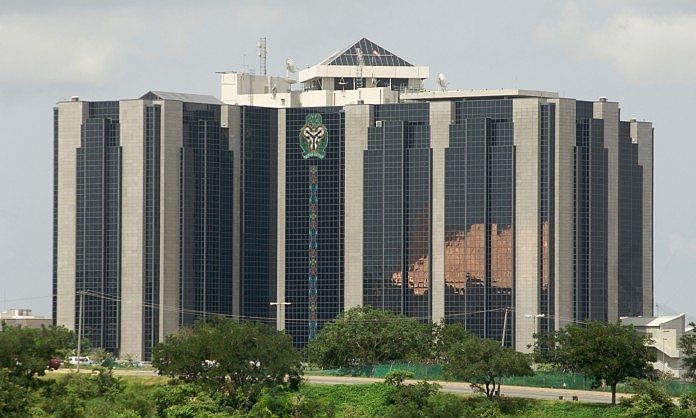
The Central Bank of Nigeria (CBN) has ordered Deposit Money Banks and other financial institutions to refund customers for failed Automated Teller Machine (ATM) transactions within 48 hours. The new directive is part of a comprehensive reform aimed at protecting consumers and restoring trust in the country’s banking system.
The order was contained in a draft guideline titled “Exposure of the Draft Guidelines on the Operations of Automated Teller Machines in Nigeria,” released by the apex bank on Saturday. The document, signed by Musa I. Jimoh, Director of the Payments System Policy Department, was sent to banks, payment service providers, card schemes, and independent ATM deployers. The CBN also requested stakeholder feedback by 31 October 2025.

According to the draft, failed “on-us” transactions—those carried out on a customer’s own bank’s ATM—must be reversed immediately. If a technical issue prevents instant reversal, the bank must process a manual refund within 24 hours. For “not-on-us” transactions, which involve other banks’ ATMs, refunds must be made within 48 hours.
The circular made it clear that customers must not bear the consequences of system failures or network disruptions that cause transaction errors.
In a major policy shift, the CBN directed banks and ATM operators to install systems capable of automatically reversing failed or partial transactions, removing the need for customers to lodge complaints. Institutions holding funds from failed withdrawals must promptly reconcile and refund customers.
The CBN explained that the move was prompted by rising frustration among customers over delayed refunds and poor service delivery. The initiative forms part of wider efforts to strengthen consumer protection, enhance transaction reliability, and modernise Nigeria’s payment infrastructure in line with global standards.
The proposed guidelines will also transform ATM operations nationwide. Banks and card issuers are now required to deploy at least one ATM for every 5,000 active cards. Compliance targets are set at 30% by 2026, 60% by 2027, and full compliance by 2028. Any future installation, relocation, or removal of ATMs must receive prior approval from the CBN.
To ensure safety and accessibility, all ATMs must be fitted with anti-skimming devices and CCTV cameras and installed in enclosed or well-lit areas. Machines must comply with Payment Card Industry Data Security Standards, maintain audit logs, and display visible helpdesk contact information. At least 2% of ATMs must include tactile symbols for visually impaired users.
Furthermore, ATMs must dispense cash before ejecting cards, permit free PIN changes, issue receipts for all transactions except balance enquiries, show clear transaction fees, dispense clean banknotes, and operate on backup power to reduce downtime.
If an ATM remains out of service for more than 72 consecutive hours, operators must publicly disclose the reason and expected restoration time.
The CBN stated it would monitor compliance through regular audits, on-site inspections, and monthly reports from ATM operators detailing their locations and activities. Non-compliant institutions will face sanctions, though specific penalties were not mentioned.
The apex bank said the overhaul was necessary due to the increasing rate of failed transactions, cyber fraud, and declining service standards. “Our objective is to establish a payment system that functions efficiently for every user, whether in urban or rural communities,” it noted.
Nigeria’s electronic payments system has grown significantly in recent years, with over 200 million cardholders and widespread adoption of digital banking. However, persistent network issues, poor infrastructure, and slow transaction reversals have continued to erode public confidence.
Coming just eight months after the revision of ATM fees, the new guidelines are expected to improve service quality, enhance security, and hold financial institutions accountable. Stakeholders have been invited to provide feedback before the final policy takes effect later this year.