

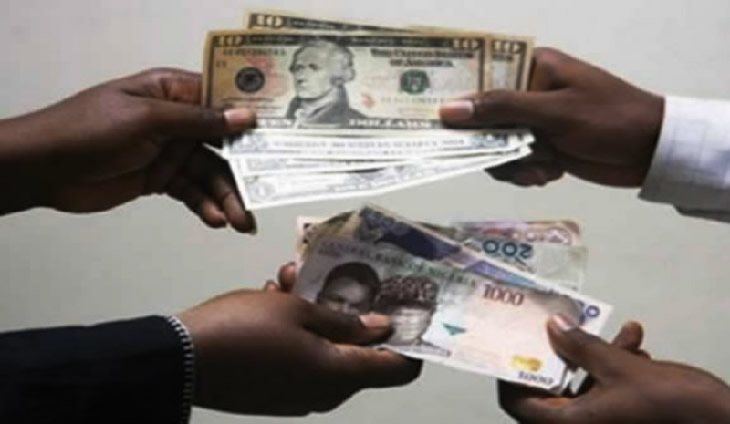
The Nigerian Naira maintained its positive momentum in the early hours of Tuesday, February 10, 2026, recording further gains against the United States Dollar. The continued appreciation in the official market points to improved liquidity conditions and the impact of the Central Bank’s price-matching mechanisms.
Official Market Trends
At the Nigerian Foreign Exchange Market (NFEM), the Naira began trading at 1,361.97 to the dollar. As trading advanced through the morning, the currency strengthened steadily, with the rate easing to 1,356.10 by mid-morning. Latest figures show the dollar exchanging at 1,355.73 per Naira.

This marks a clear improvement on Monday’s opening levels and indicates that the Naira is testing fresh support below the 1,360 threshold. Analysts attribute the performance to the Central Bank of Nigeria’s (CBN) sustained use of transparent bid-ask pricing through the Electronic Foreign Exchange Matching System (EFEMS). They also note that the Monetary Policy Rate (MPR), held at 27.00%, continues to draw portfolio inflows, helping to underpin the local currency.
Parallel Market Performance
The parallel market has also reflected the appreciation seen in the official window, although it continues to trade at a premium. In key cities including Lagos, Abuja, and Port Harcourt, Bureau De Change operators are quoting the dollar within the range of 1,435 to 1,450.
The spread between official and parallel rates has narrowed markedly over the past week, signalling a reduced speculative pull in the “black market”. Currency dealers in Lagos say supply is currently sufficient to meet demand for retail transactions and personal travel allowances. The lack of panic buying, often observed early in the month, suggests growing confidence in the Naira’s stability.
Summary of Trading Rates
NFEM (Official) Opening: 1,361.97
NFEM (Official) Current: 1,355.73
Parallel Market Range: 1,435 – 1,450
As trading continues, market watchers are monitoring whether the Naira can sustain levels around 1,355. The near-term outlook remains positive, with expectations that the currency will hold firm if external reserves stay strong and corporate demand continues to flow through the official market.