

Pan-African fintech firm Onafriq is set to discontinue its Baxi agent banking business in Nigeria as rising costs, a weaker naira and stiff competition continue to put pressure on the sector.
The company, however, has made it clear that it has no plans to leave Nigeria, saying it will continue offering other financial services in the country.

Onafriq explained that the increasing use of instant bank transfers, alongside changes in the economy, had made it difficult to sustain its network of physical banking agents.
The company said the business environment became more challenging from 2024, as currency depreciation and other economic difficulties affected the cost of running its operations.
It also noted that more Nigerians were turning to direct bank transfers instead of using POS agents for certain transactions. This shift reduced the profitability of its agent banking business, while competition among operators further squeezed earnings.
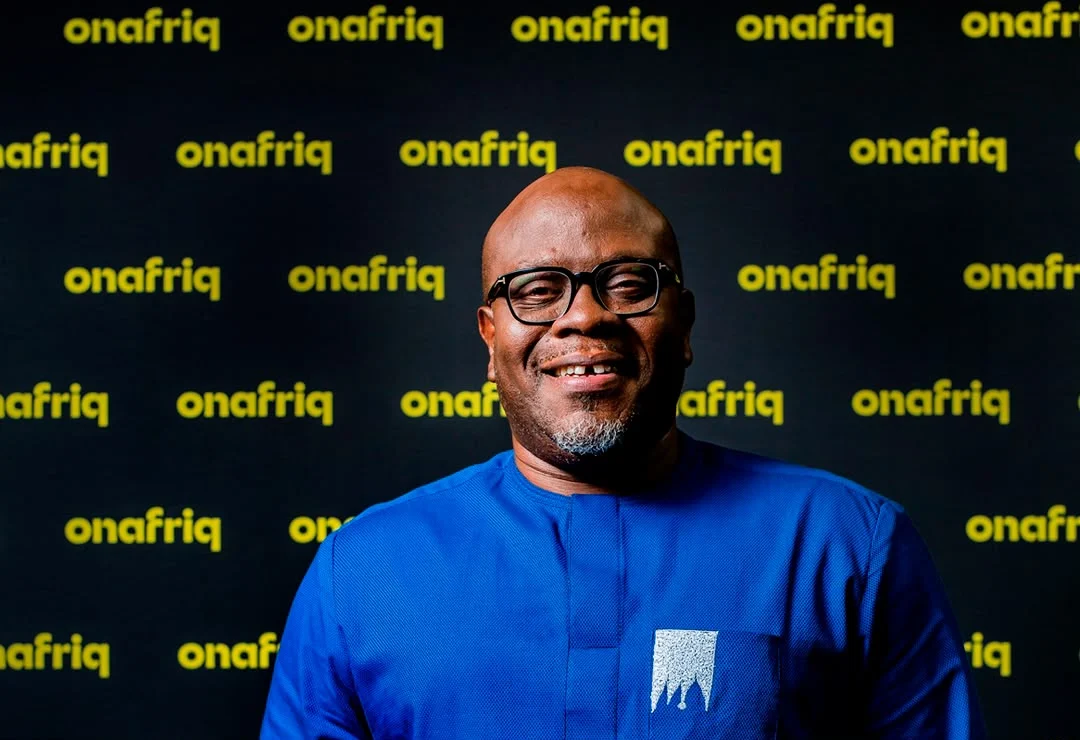
Onafriq’s Founder and Chief Executive Officer, Dare Okoudjou, said, “We entered Nigeria with conviction and commitment, but did not achieve the outcome we set out for. Closing this business was a difficult decision to arrive at, one that affects colleagues, agents, and business partners across Nigeria who poured their hearts and soul into building out the Baxi network.
The company expanded into Nigeria’s agent banking market in 2021 through its acquisition of Baxi, operated by Capricorn Digital Limited. The move was intended to increase its reach among individuals and businesses using digital payment services.
Following the acquisition, Onafriq continued to invest in the business through 2023, seeking to grow its network and make digital payments more accessible to Nigerians.
Baxi agents provided financial services through POS terminals, enabling customers to withdraw cash, transfer money, pay bills and access other services without visiting a bank branch.
However, the growing preference for electronic transfers has changed customer behaviour, creating fresh challenges for businesses that depend on fees from POS transactions. Combined with higher operating expenses, the changes have made it harder for some operators to maintain profitable businesses.
Onafriq said it reached the decision to close the unit after reviewing its long-term business direction and determining that continuing the operation was no longer sustainable.
The shutdown will affect workers whose responsibilities are tied to the Baxi business. The company said it would engage those affected and ensure they receive fair treatment and assistance during the process.
Okoudjou said, “We are committed to honesty, fairness, and a well-managed transition for everyone impacted. Nigeria remains central to our mission, and we will continue to serve the market as a Payment Solution Service Provider through the Onafriq payments network and our card issuing services,” the executive added.
As part of the transition, Onafriq said Baxi agents had been transferred to another principal bank. It also instructed agents to move their funds to a principal bank of their choice within 30 days.
The company added that its teams would be available to answer questions and provide guidance to agents and other stakeholders affected by the decision.
Baxi, established in 2014, had developed a network of more than 90,000 agents before it was acquired by Onafriq. Its services included cash withdrawals, transfers, bill payments and account opening.
Onafriq first announced its plan to acquire Capricorn Digital Limited in 2021, completing the deal in March 2022 after obtaining regulatory approval from the Central Bank of Nigeria.
At the time, the company, which was then known as MFS Africa, said the acquisition would link Nigerian businesses to its wider African payments network and make cross-border transactions easier.
Despite ending its Baxi agent banking operations, Onafriq says Nigeria remains an important market for its business, with its other payment services continuing in the country.
