

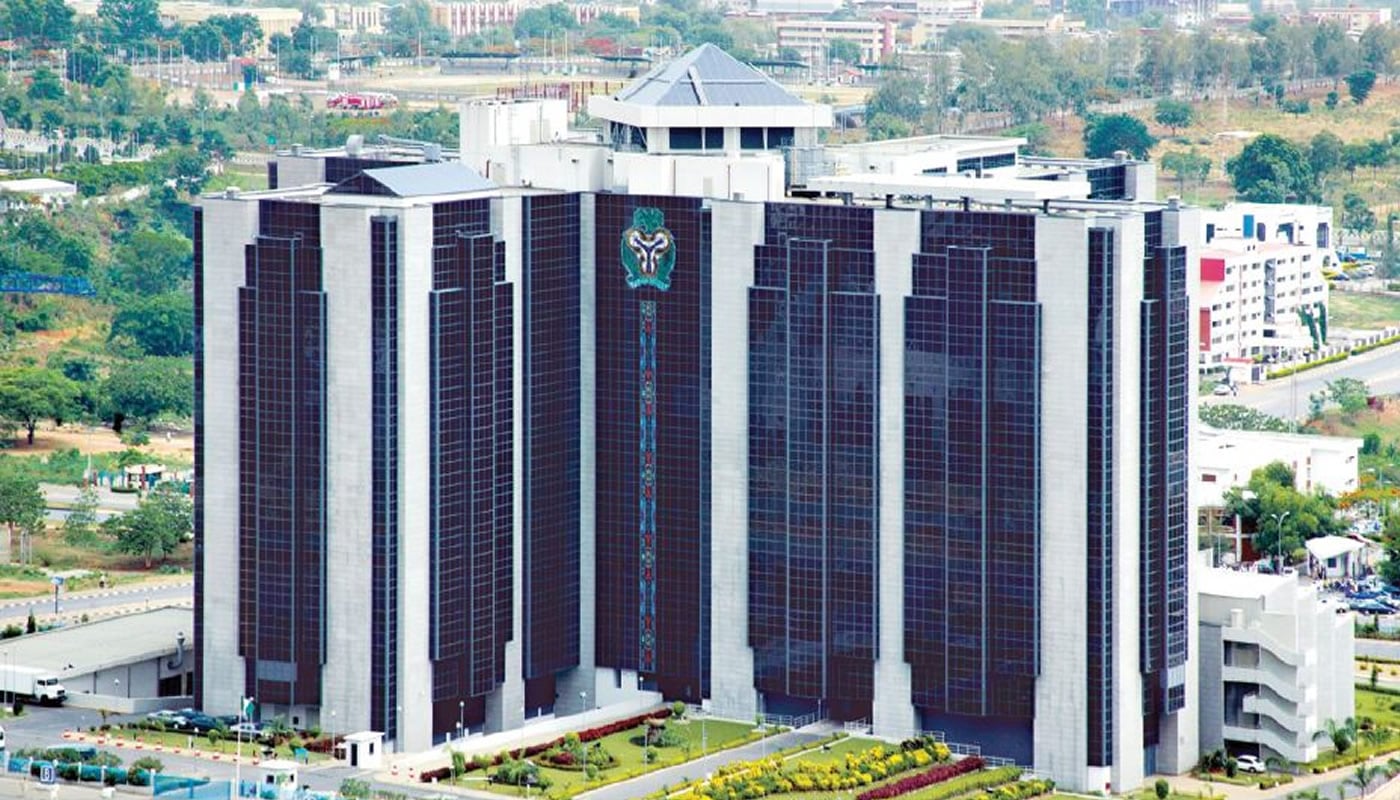
The Central Bank of Nigeria on Wednesday announced that 33 banks have met the new minimum capital requirements under its recapitalisation programme, collectively raising N4.65tn to strengthen the financial system.
The regulator disclosed this in a statement marking the conclusion of the exercise, which began in March 2024 and attracted both local and foreign investors.

The statement was jointly signed by the Director of Banking Supervision, Olubukola Akinwunmi, and the Acting Director of Corporate Communications, Hakama Sidi-Ali.
The statement reads, “Over the 24-month period, Nigerian banks raised a total of N4.65tn in new capital, strengthening the resilience of the financial system and enhancing its capacity to support the economy.”
According to the apex bank, domestic investors contributed 72.55 per cent of the funds, while foreign investors accounted for 27.45 per cent, reflecting sustained confidence in the banking sector.
Commenting on the outcome, the CBN Governor, Olayemi Cardoso, said, “The recapitalisation programme has strengthened the capital base of Nigerian banks, reinforcing the resilience of the financial system and ensuring it is well-positioned to support economic growth and withstand domestic and external shocks.”
It added that while 33 banks have met the requirements, a few others are still undergoing regulatory and legal processes.
The statement noted, “The CBN confirms that 33 banks have met the revised minimum capital requirements established under the programme.
“A limited number of institutions remain subject to ongoing regulatory and judicial processes, which are being addressed through established supervisory and legal frameworks.
“All banks remain fully operational, ensuring continued access to banking services for customers.”
The bank emphasised that the exercise was completed without disrupting banking operations, maintaining uninterrupted access to services across the country.
It also noted improvements in key prudential indicators, particularly capital adequacy ratios, which remain above global Basel benchmarks.
Minimum ratios were set at 10 per cent for regional and national banks and 15 per cent for those with international licences.
The apex bank added that the recapitalisation aligned with a gradual exit from regulatory forbearance, improving asset quality, transparency, and overall financial stability.
To sustain these gains, the CBN said it has strengthened its risk-based supervision framework, including periodic stress tests and capital buffer requirements.
“The successful completion of the programme establishes a stronger and more resilient banking system, better positioned to support lending, mobilise savings, and withstand domestic and global shocks,” the statement said.
Earlier data showed foreign capital inflows into Nigeria’s banking sector rose significantly, driven by the recapitalisation exercise, while analysts noted that despite improvements, credit flow to small businesses remains a concern.
