

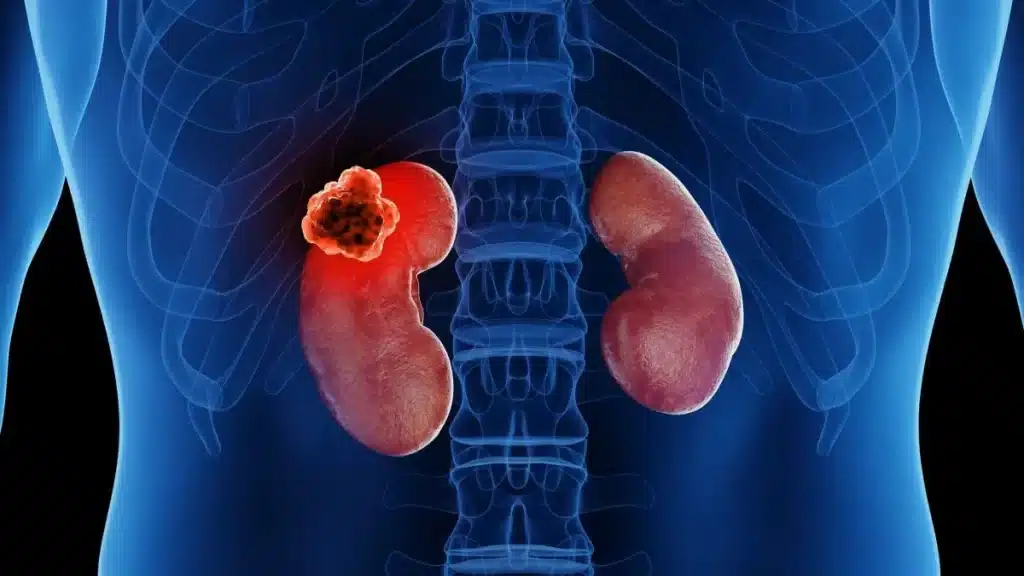
Metastatic kidney cancer is a type of cancer that begins in the kidneys and later spreads to other parts of the body. It is also known as advanced kidney cancer.
In many cases, the disease develops quietly, and some people may not notice symptoms until it has already progressed.

Understanding the early warning signs of metastatic kidney cancer may help encourage earlier medical attention and improve treatment outcomes. They include:
1. Blood in urine:
One of the most common warning signs of kidney cancer is blood in the urine. The urine may appear pink, red, or dark brown.
Sometimes the bleeding may come and go, but it should never be ignored. Any unusual change in urine colour should be checked by a doctor.
2. Persistent lower back pain:
Pain on one side of the lower back that does not go away can be another possible sign. This pain is usually not caused by injury or physical stress.
As kidney cancer grows or spreads, discomfort around the kidney area may become more noticeable.
3. Unexplained weight loss:
Sudden weight loss without dieting or exercise may signal an underlying health problem, including metastatic kidney cancer.
Cancer can affect the body’s metabolism and appetite, leading to noticeable weight changes over time.
4. Constant fatigue:
Feeling extremely tired even after enough rest may be another warning sign.
Cancer-related fatigue often feels more severe than normal tiredness and can affect daily activities and concentration.
5. Loss of appetite:
Many people with advanced kidney cancer may lose interest in food or feel full quickly after eating small amounts.
A lasting loss of appetite should be taken seriously, especially when combined with other symptoms.
6. Fever that keeps returning:
Frequent fever without a clear infection or illness may sometimes be linked to kidney cancer.
The fever may come and go and can be accompanied by night sweats or weakness.
7. Swelling in the legs or ankles:
Kidney problems can affect how the body manages fluids, leading to swelling in the legs, feet, or ankles.
This symptom may become more noticeable as the disease progresses.
8. Shortness of breath or persistent cough:
When metastatic kidney cancer spreads to the lungs, it may cause breathing difficulties, chest pain, or a cough that does not go away.
These symptoms should be medically evaluated, especially if they persist for weeks.
9. Anaemia and weakness:
Kidney cancer may reduce the production of healthy red blood cells, causing anaemia. This can lead to dizziness, weakness, pale skin, and low energy levels.
When to see a doctor:
Many of these symptoms can also be linked to other medical conditions. However, it is important to seek medical attention if the signs persist or worsen over time.
Early diagnosis can improve treatment options and help manage the disease more effectively.
CONCLUSION:
Metastatic kidney cancer often develops silently, making awareness very important. Paying attention to unusual body changes and going for regular medical check-ups may help with earlier detection.
Symptoms such as blood in urine, persistent back pain, unexplained weight loss, and ongoing fatigue should never be ignored.