

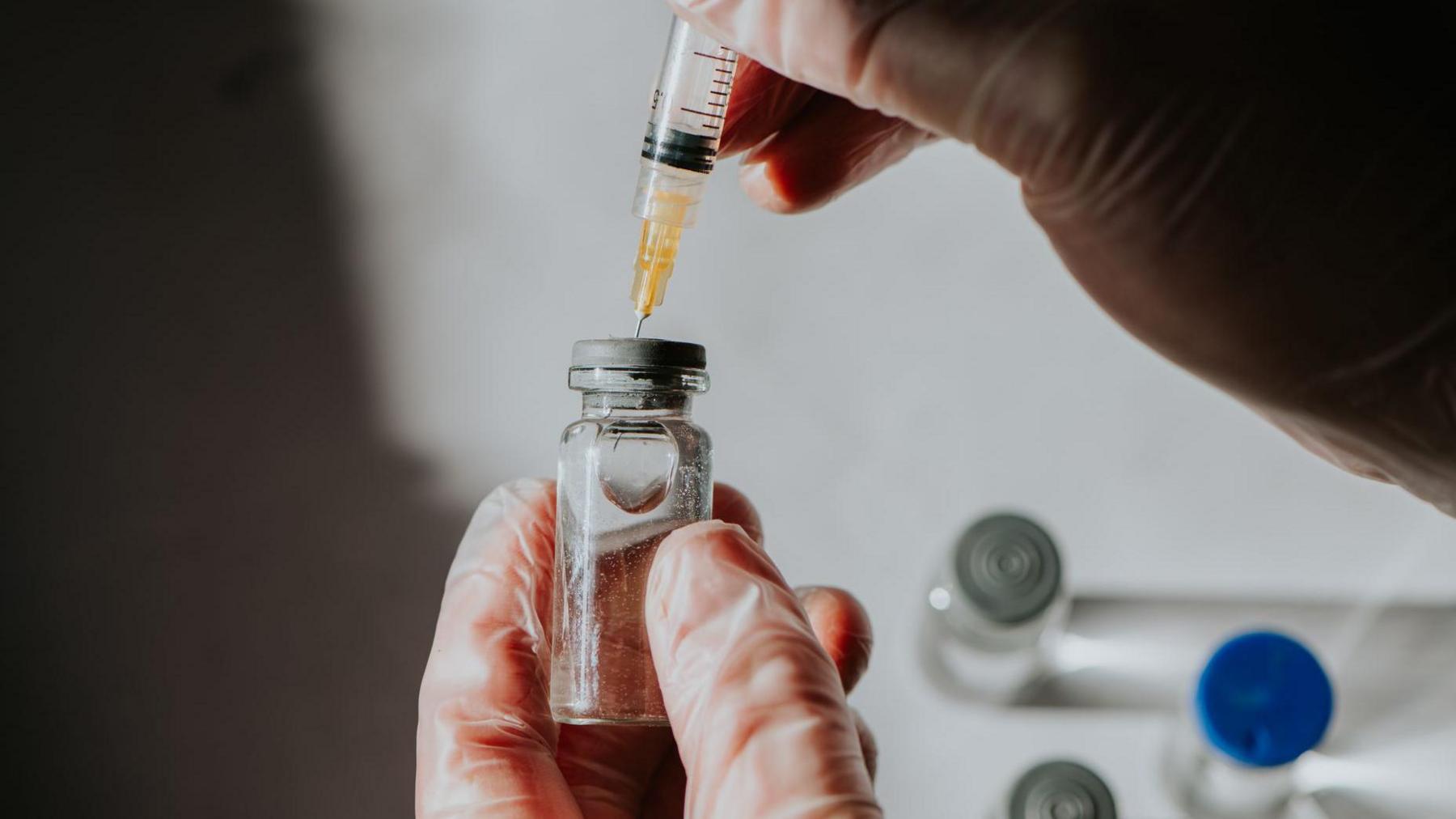
On Monday, South Africa, Eswatini, and Zambia began administering a new HIV-prevention injection, marking the first public deployment of the drug on the African continent, which bears the highest HIV burden globally.
The injection, known as lenacapavir, is taken twice yearly and has been found to cut the risk of HIV infection by more than 99.9 percent — a level of protection comparable to that of a highly effective vaccine.

In South Africa, where about one in five adults is HIV-positive, the initial rollout is being coordinated by a Wits University research team under a programme financed by Unitaid, a United Nations health organisation.
Unitaid confirmed that the first individuals have started receiving the injection in South Africa, describing it as one of the earliest real-world uses of the six-monthly drug in low- and middle-income countries.
The agency did not disclose how many people received the first doses. A wider national rollout in South Africa is expected next year.
“The first individuals have begun using lenacapavir for HIV prevention in South Africa … making it among the first real-world use of the 6-monthly injectable in low-and middle-income countries,” Unitaid said in a statement.
Zambia and Eswatini, which received 1,000 doses last month through a United States-supported programme, were also expected to launch the drug on Monday during World AIDS Day events.
Under the initiative, manufacturer Gilead Sciences has committed to providing lenacapavir at no profit to two million people in high-burden countries over three years.
However, critics argue that this falls far short of demand and note that the drug’s commercial price, around $28,000 per person annually in the United States, is unaffordable for most people in Africa.
According to 2024 UNAIDS figures, eastern and southern Africa account for about 52 percent of the 40.8 million people living with HIV worldwide.
