


Keeping well hydrated is one of the simplest yet most effective ways to support kidney health.
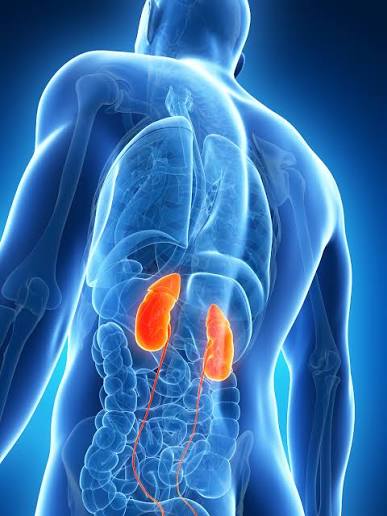

When your body doesn’t get enough fluids, your kidneys have to work harder, which may increase the risk of complications such as kidney stones, urinary tract infections (UTIs) and even kidney injury.
The kidneys perform several essential tasks that help keep the body functioning properly. As Melanie Betz, M.S., RD, CSR, FNKF, FAND, explains, “Your kidneys get rid of waste, stop good stuff from leaving your body, keep the body’s pH in range, activate vitamin D into a usable form and help the body make red blood cells.”
Because the kidneys play such a vital role, any decline in their function can have a wider impact on overall health. According to Jen Hernandez, RDN, CSR, LDN, “More than 37 million Americans are estimated to have chronic kidney disease (CKD).” She further notes that “As many as 9 in 10 adults with CKD are not aware they have the disease, because early-stage kidney disease typically has no symptoms.”
1. Reduced Blood Supply to the Kidneys
The kidneys filter large volumes of blood every day and depend on adequate hydration to do so efficiently. When you’re dehydrated, blood becomes more concentrated and less fluid reaches the kidneys for filtration. Hernandez explains, “Your kidneys respond by trying to conserve as much water as possible, which means they’re concentrating urine and working harder to maintain balance.”
In more severe cases, dehydration can contribute to acute kidney injury (AKI), a condition that may sometimes cause lasting damage. Tim Pflederer, M.D., FASN, FASDIN, points out that “the risk of dehydration-induced AKI is higher in people who take nonsteroidal anti-inflammatory drugs (NSAIDs) on a regular basis.”
2. A Greater Risk of Kidney Stones
Not drinking enough water can also create favourable conditions for kidney stones to develop. When urine becomes highly concentrated, minerals are more likely to clump together and form crystals.
As Hernandez explains, “When urine becomes highly concentrated, minerals like calcium and oxalate are more likely to crystallize and form stones.”
People who have previously had kidney stones, or who have a family history of them, may benefit from increasing their water intake. Drinking around 2.5 litres of water daily can help dilute urine and reduce the likelihood of stone formation.
3. Increased Likelihood of UTIs
Urinary tract infections occur when bacteria enter and multiply within the urinary system. While dehydration doesn’t directly cause these infections, it can make them more likely by reducing urine flow.
Pflederer explains, “When urine output drops due to dehydration, bacteria have more time to adhere to the urinary tract lining and multiply, increasing the risk of infection that can compromise kidney tissue.”
Although most UTIs can be treated successfully with antibiotics, repeated infections may affect kidney health over time. Hernandez warns, “What many people don’t realise is that chronic, recurring UTIs can cause ongoing inflammation and scarring in the kidneys over time, which can contribute to the development or progression of chronic kidney disease.”
Simple Ways to Stay Hydrated
Maintaining good hydration doesn’t have to be difficult. A few practical habits can make a significant difference:
Include water-rich foods such as watermelon, cucumber, strawberries and lettuce in your diet.
Add slices of fruit or herbs to water if you find plain water unappealing.
Increase your fluid intake during hot weather, exercise or illness when your body loses more water.
Carry a reusable water bottle with you throughout the day as a reminder to drink regularly.
The Bottom Line
Your kidneys work continuously to remove waste, regulate fluid balance and support several important bodily functions. Staying properly hydrated helps maintain healthy kidney function, reduces the risk of kidney stones and may lower the chances of developing UTIs. Making hydration a daily priority is a simple step that can have lasting benefits for your overall health.
