

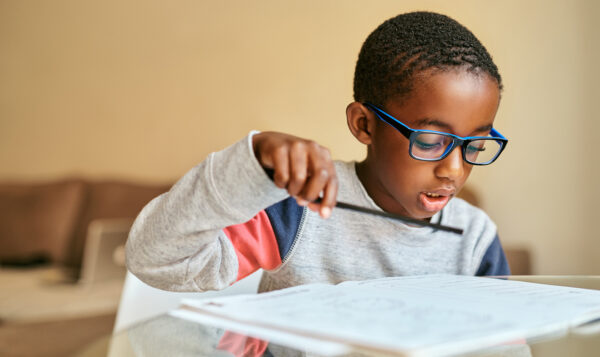
Children learn many important things in school, but some of the most useful lessons begin at home. Parents can help children become more confident and responsible by teaching them simple skills they can use in everyday life.
These skills do not have to be taught through formal lessons. Children can learn through daily activities, conversations, and by taking part in simple household responsibilities.

Here are five life skills every child should learn at home.
1. How to take care of themselves
Children should gradually learn how to take care of their personal needs. Simple habits such as bathing, brushing their teeth, dressing themselves, and keeping their belongings organised can help them become more independent.
Parents can guide younger children and gradually allow them to do more as they grow.
2. How to manage money
Teaching children about money from an early age can help them develop responsible financial habits. Parents can teach them the difference between needs and wants, encourage saving, and explain why money should not be spent carelessly.
Giving children small responsibilities around money can make these lessons easier to understand.
3. How to communicate properly
Good communication is an important life skill. Children should learn how to express their feelings, ask for help, listen when others are speaking, and speak respectfully.
Parents can teach these skills by encouraging open conversations at home and showing children how to communicate calmly during disagreements.
4. How to keep their environment clean
Children should understand that keeping their surroundings clean is everyone’s responsibility. Simple tasks such as putting away toys, washing plates, arranging their room, or helping with household chores can teach responsibility.
Giving children age-appropriate chores can also help them understand the value of teamwork.
5. How to solve simple problems
Children will face challenges as they grow, so learning how to think through problems is important. Instead of solving every problem for them, parents can encourage children to think about possible solutions.
For example, if a child forgets where they kept something, parents can guide them to think about where they last used it instead of immediately finding it for them.
Conclusion
Life skills help children become more confident, responsible, and prepared for the future. Parents do not need complicated methods to teach these lessons. Everyday activities at home can provide valuable opportunities for children to learn.
By teaching children how to care for themselves, manage money, communicate, stay organised, and solve problems, parents can give them skills that will remain useful throughout their lives.