
‘Africans supported us during apartheid’ — South African President calls for tolerance over xenophobic attacks

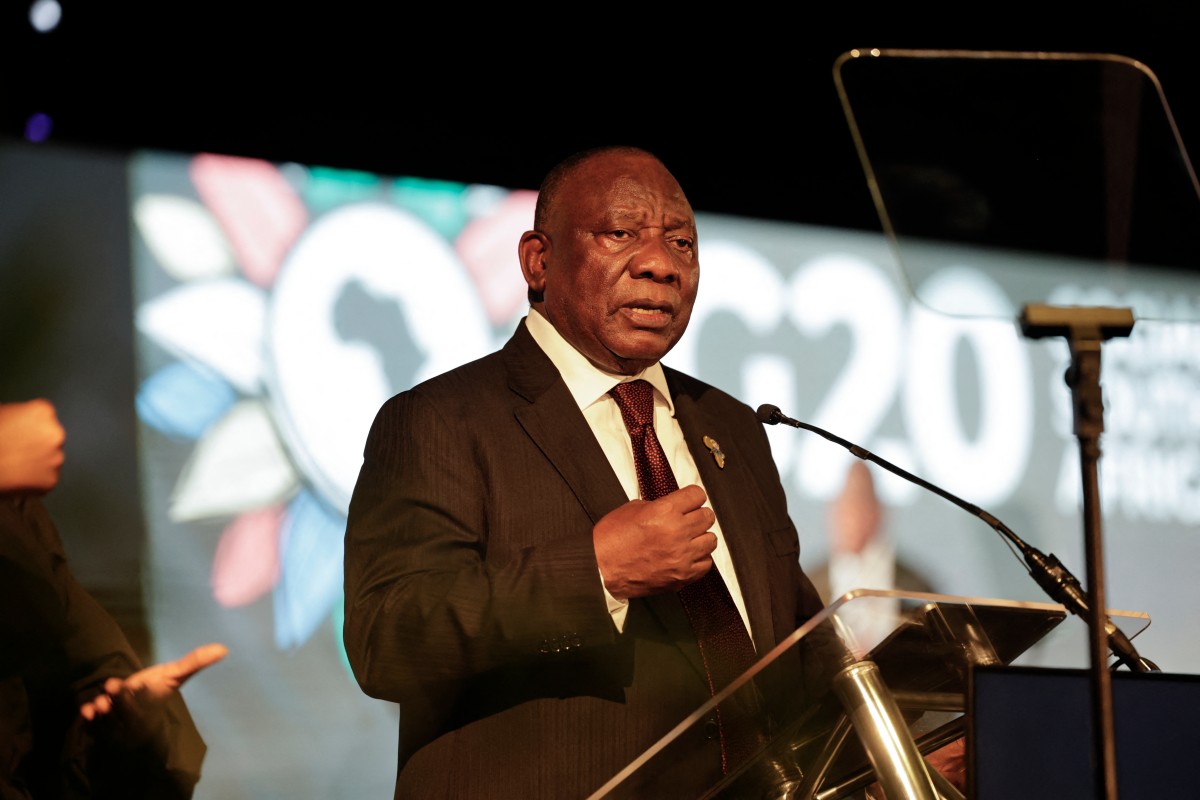
South African President Cyril Ramaphosa has called for unity and tolerance following recent xenophobic attacks targeting African migrants in the country.
At least two Nigerians have reportedly been killed since tensions escalated last month, while several shops were looted and pupils of Nigerian origin are said to be living in fear, with some avoiding school.

Citizens of Ghana and Zimbabwe have also reportedly been affected by the attacks.
Speaking on Tuesday after a meeting with Daniel Chapo, president of Mozambique, Ramaphosa reminded South Africans that many African countries supported South Africa during the apartheid era.
“South Africans inherently are not against people from other nations. We are one people, we have always been one people, and of course, we’ve got to also pay heed to the security of those from other countries who are in South Africa, but also pay heed to the concerns that are being raised by South Africans,” Ramaphosa said.
“President Chapo and myself discussed this matter, and we agreed that we should work together. It’s not only one country that is affected.
“All countries that have foreign nationals in South Africa are also affected as South Africa is affected, so we must all work together, join hands, to find solutions to this problem. In the past, we have found solutions.
“And we say, South Africans do not have a hatred to other people from other countries on our continent. They supported us during our struggle.
“As much as South Africans are going through tough economic challenges right now, we also need to be acting as people who are kind and welcoming to other people from other nations.
“But we also say to employers in South Africa, that we’ve passed a law that people who do not have the necessary work permits in South Africa should not be employed, we should give way to South Africans.”
Ramaphosa also urged foreign nationals living in South Africa to ensure they possess valid documentation, noting that South Africans are equally required to have proper papers when residing in other countries.