

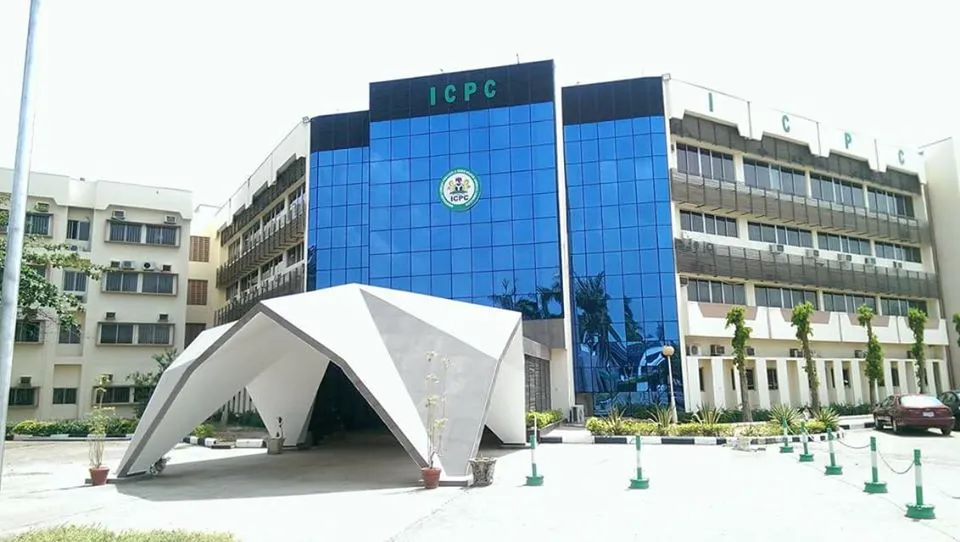
Chairman of the Independent Corrupt Practices and Other Related Offences Commission (ICPC), Musa Aliyu (SAN), has called for a stronger focus on value-based education as a key strategy in tackling corruption, saying lasting change cannot be achieved through prosecutions alone.
Speaking on Friday at the ICPC and Nigerian Law School Kano Zonal Workshop on Integrating Anti-Corruption Education into Nigerian Universities and the Nigerian Law School, Aliyu said the country’s anti-graft campaign must place greater emphasis on shaping the mindset of young people before they enter the workforce.

He observed that corruption continues to affect every sector by weakening institutions, delaying development, eroding confidence in public institutions and denying citizens quality services.
“The public pays for corruption,” he said, stressing that prevention should receive as much attention as enforcement.
Aliyu noted that although investigating and prosecuting offenders remains part of the commission’s responsibilities, teaching integrity and ethical conduct to students is essential for long-term success.
“There is no more fertile ground for prevention than the classroom,” he said.
He explained that law schools and universities have a responsibility to produce legal professionals who value honesty and accountability, warning that the justice system suffers when lawyers abandon ethical principles.
According to him, the Kano workshop is one of several programmes designed to integrate anti-corruption education into legal studies nationwide, following earlier consultations with law faculty deans and officials of the Nigerian Law School in Abuja. He added that the next engagement would take place in Lagos for stakeholders in the South-West.
Aliyu clarified that the commission is not seeking to dictate what institutions should teach but intends to work with legal educators to develop a practical framework that strengthens ethical values in legal training.
“The Commission will support and facilitate this process. We are committed to providing the institutional support required because we believe the impact of this initiative can extend beyond legal education to other professions and eventually across the public sector,” he said.
He urged participants to judge the success of the initiative by the decisions future lawyers make when faced with ethical challenges in their careers.
Using a hypothetical example of a lawyer confronted with the temptation to undermine justice years after graduation, Aliyu said, “The decision that the lawyer makes will be influenced by the values we choose to teach today.”
He also expressed concern over growing criticism of the legal profession, urging institutions to produce lawyers whose reputations are built not only on legal knowledge but also on truth, justice and accountability.
Aliyu challenged stakeholders to reflect on whether legal education should produce professionals who contribute to national development or individuals who use their expertise to obstruct justice.
He thanked participants and resource persons for supporting the initiative and acknowledged Professor Isa Chiroma for his contributions. He also reaffirmed the commission’s commitment to reforms in legal education while calling on parents, teachers and legal practitioners to lead by example in promoting integrity.
“I hope that one day we will all look back with pride and know that we made a difference in the history of this country,” he said.
