

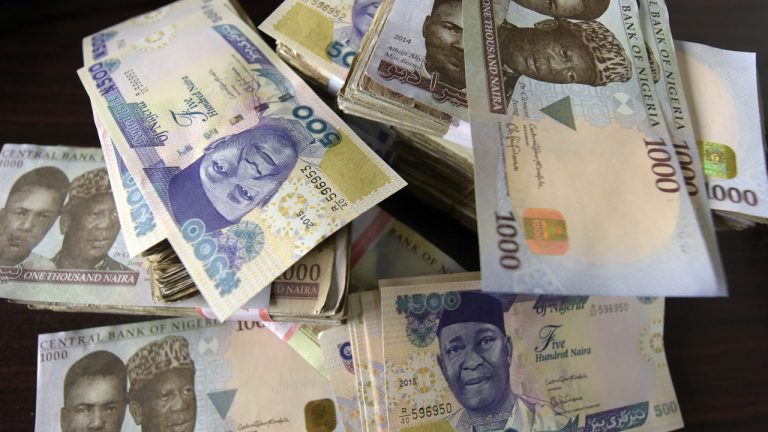
The Nigerian Naira remained relatively stable against the United States Dollar during early trading on Tuesday, March 10, 2026. Data from the Nigerian Foreign Exchange Market (NFEM) and informal market channels show that the local currency is absorbing the rise in corporate demand recorded at the start of the week, supported by strong liquidity and foreign reserves at a 13-year high.
Official market performance (NFEM)
At the official window, the naira opened trading at ₦1,398.24 per dollar. In the early morning session, the exchange rate briefly climbed to ₦1,398.82 before gaining strength. By mid-morning, the currency appreciated to ₦1,396.24 per dollar as supply from the Central Bank of Nigeria and authorised dealers met existing demand.

Current trading levels indicate a consolidation phase after the close of last week’s market activity. Authorised dealers noted that the Central Bank has remained active in maintaining the “willing-buyer-willing-seller” framework, helping to curb the speculative spikes that previously characterised Tuesday morning trading.
Parallel market trends
In the parallel or informal market, the exchange rate is closely tracking the official window with only a small premium. As of Tuesday morning, the dollar was trading between ₦1,405 and ₦1,415 in major trading centres such as Lagos and Abuja.
The difference between official and “black market” rates remains narrow at about 1% to 1.5%. Analysts attribute this close alignment to the Central Bank’s steady foreign exchange supply to Bureau De Change operators, which has broadened access to foreign currency and reduced pressure on the informal market.
Macroeconomic factors
Several economic indicators are currently supporting the naira’s stability:
Record external reserves: Nigeria’s foreign reserves have recently exceeded 50 billion dollars, strengthening the country’s ability to withstand currency volatility and external shocks.
Inflation outlook: With headline inflation slowing to 15.10% in recent reports, the real value of the naira has stabilised, making it more appealing to both local and international investors.
Steady oil inflows: Crude oil output has remained consistent at about 1.46 million barrels per day, ensuring a steady flow of foreign exchange earnings.
Interest rate sentiment: After the 50-basis-point reduction in the Monetary Policy Rate to 26.5% late last month, the market has entered a more stable phase that encourages long-term capital inflows.
As trading continues through the day, analysts expect the naira to fluctuate within the ₦1,390 to ₦1,405 range in the official market as traders monitor mid-week liquidity conditions.