

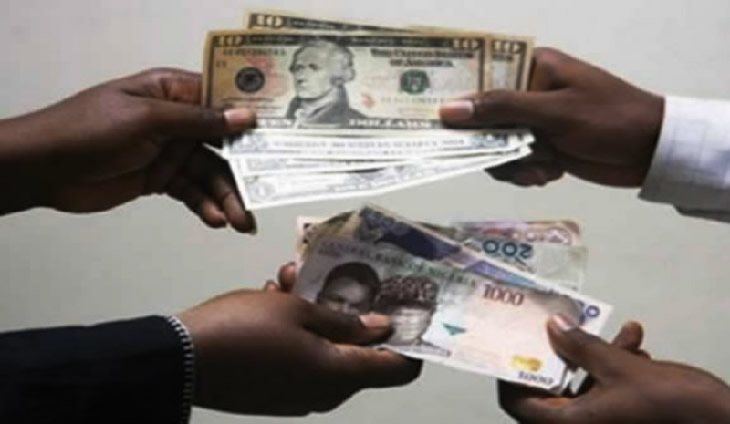
The Nigerian Naira showed resilience against the United States Dollar during early trading on March 30, 2026, as the foreign exchange market responded to strong liquidity levels and the successful outcome of recent government debt auctions.
Official Market Performance (NFEM)
At the Nigerian Foreign Exchange Market (NFEM), the Naira began the week on a positive footing. Real-time data indicates that the local currency traded at an average of ₦1,382.18 per Dollar during the morning session. This follows a closing rate of ₦1,384.25 on Friday, March 27, reflecting a slight appreciation of 0.15% as trading resumed for the final week of the quarter.

Market liquidity continues to play a crucial role in this stability. Turnover at the official window stood at about $172.9 million in the last full trading session of the previous week, supported by the Central Bank of Nigeria’s (CBN) improved Electronic Foreign Exchange Matching System (EFEMS). The apex bank’s recent decision to lower stop rates on longer-dated Treasury bills has also indicated easing yield pressures, further supporting a stable valuation for the Naira.
Parallel Market Trends
In the parallel market, the Naira sustained close alignment with the official rate. Traders in key centres across Lagos, Kano, and Abuja are currently quoting the Dollar between ₦1,405 and ₦1,420. While the retail segment still carries a slight premium, the gap between the official and parallel rates remains relatively narrow, ranging between ₦25 and ₦35.
Bureau De Change (BDC) operators attribute the relative calm in the informal market to the CBN’s consistent provision of foreign exchange to meet “invisible” demands, such as personal travel allowances and school fees. This structured approach has significantly reduced speculative activities that often trigger sharp volatility in the black market.
Economic Backdrop and Reserve Strength
The Naira’s performance is supported by solid macroeconomic indicators:
External Reserves: Nigeria’s foreign exchange reserves remain strong, currently holding close to the $50 billion mark. This represents a notable recovery from the lows recorded in 2024 and provides the CBN with sufficient capacity to stabilise the currency against sudden shocks.
Oil Revenue: Elevated global crude oil prices, with Bonny Light trading above $103 per barrel, continue to ensure steady inflows of foreign exchange.
Inflation Trends: Headline inflation has maintained a downward trend, recently recorded at 15.06%. This disinflation, combined with a stable Monetary Policy Rate (MPR) of 26.5%, has strengthened investor confidence in Naira-denominated assets.
Market Outlook
Traders and corporate buyers anticipate that the Naira will remain within the ₦1,375 to ₦1,395 range for the rest of the week. Analysts note that as the quarter comes to a close, corporate demand for settling international obligations may increase, but the existing liquidity surplus in the banking system—estimated at over ₦8 trillion—is expected to absorb any potential pressure.