

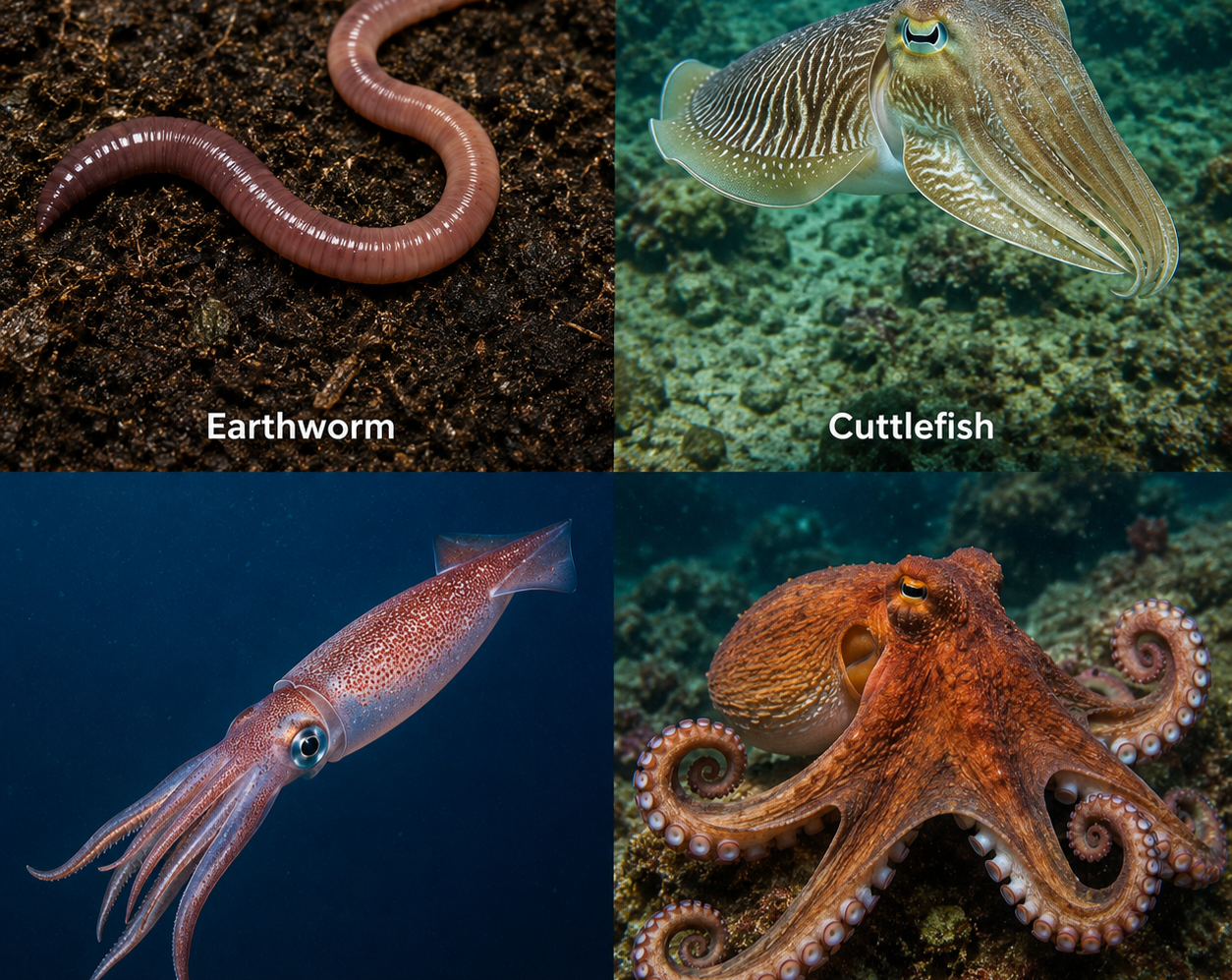
The human heart beats around 100,000 times a day, all on its own. But for some animals, one heart simply isn’t enough. Octopuses, cuttlefish, and even earthworms have evolved multiple pumping systems to keep blood or its equivalent moving through their bodies according to Pulse.
Here are five animals with more than one heart, and the surprising reasons why.

1. Octopus
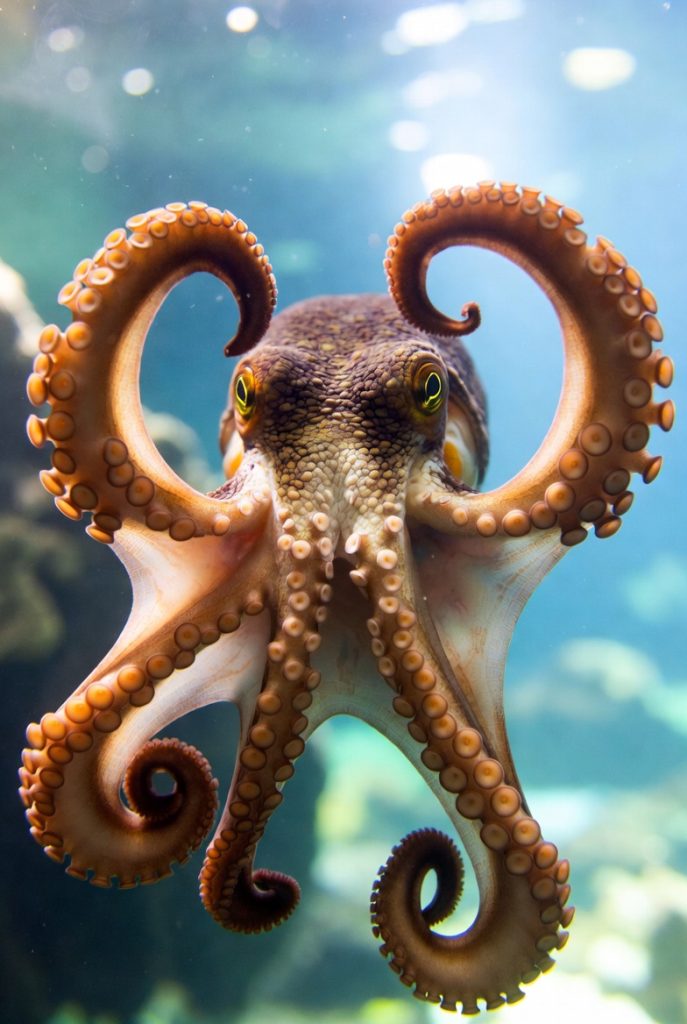
The octopus is the most famous multi-hearted animal of all. It has three hearts: one systemic heart that pumps blood around the body and two branchial hearts that push blood through each of its two gills. When an octopus swims, the systemic heart actually stops beating, which is part of why these animals prefer crawling over swimming.
2. Squid
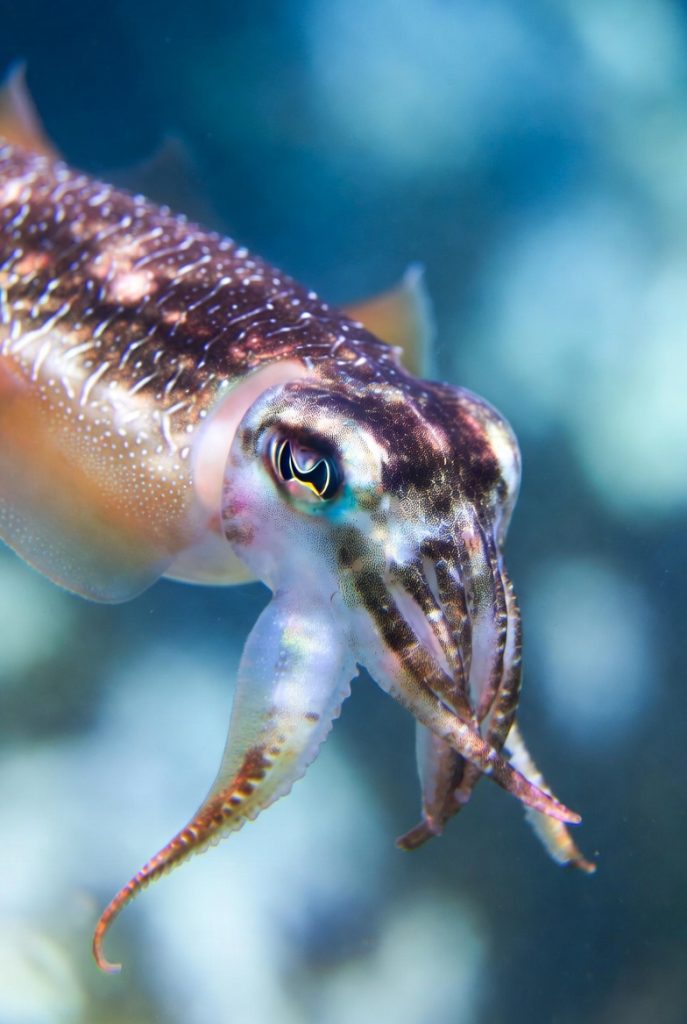
Squid share the same three-heart setup as their octopus cousins. A central systemic heart handles full-body circulation, while two branchial hearts keep blood moving through the gills. This helps cephalopods cope with their blue, copper-based blood, which carries oxygen less efficiently than human blood.
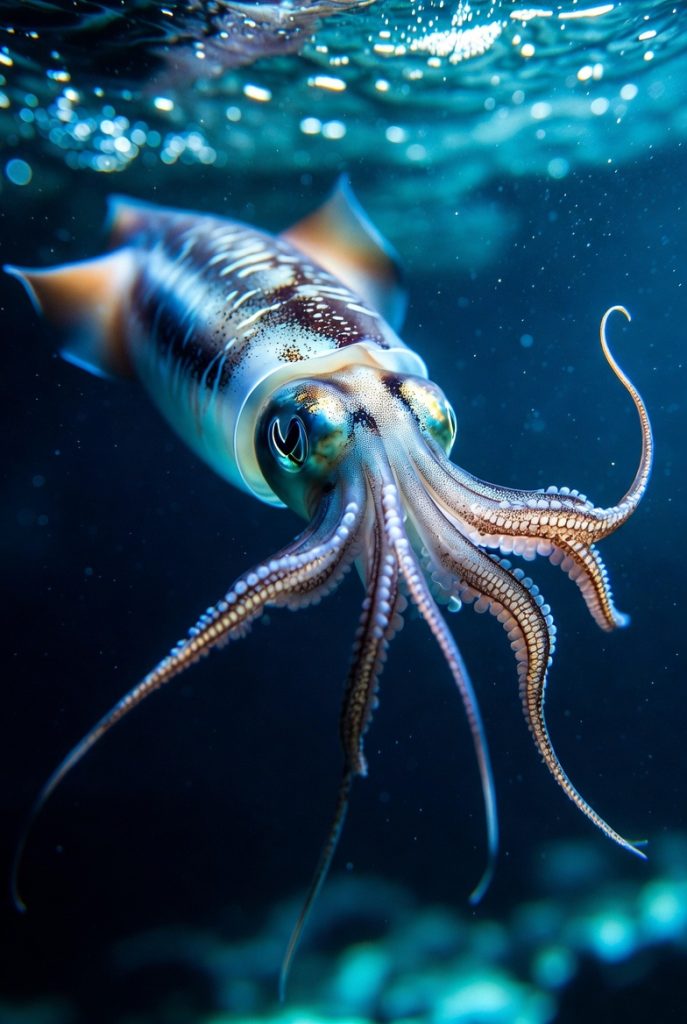
Cuttlefish, close relatives of squid and octopuses, also run on three hearts. Two branchial hearts push deoxygenated blood to the gills for oxygenation, while the central systemic heart distributes the freshly oxygenated blood to the rest of the body. Their blood appears blue-green due to high levels of hemocyanin.
The hagfish goes even further, with four hearts. One main systemic heart pumps blood through the body, while three smaller accessory hearts keep circulation going, especially important given the hagfish’s notoriously low blood pressure. Lab studies show a hagfish heart can keep beating for up to 36 hours even without oxygen.
5. Earthworm
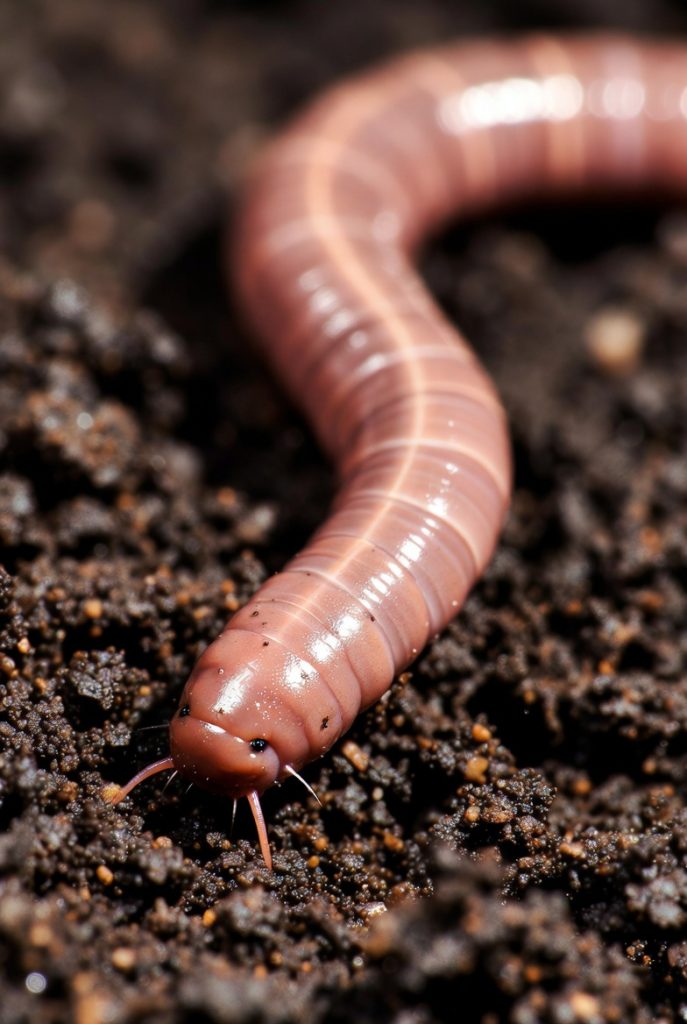
Earthworms are often said to have five hearts, though the science is more nuanced. They actually have five pairs of aortic arches encircling the gut, contracting rhythmically to push blood through the body. While not “hearts” in the strict sense, these arches do the same essential job.