

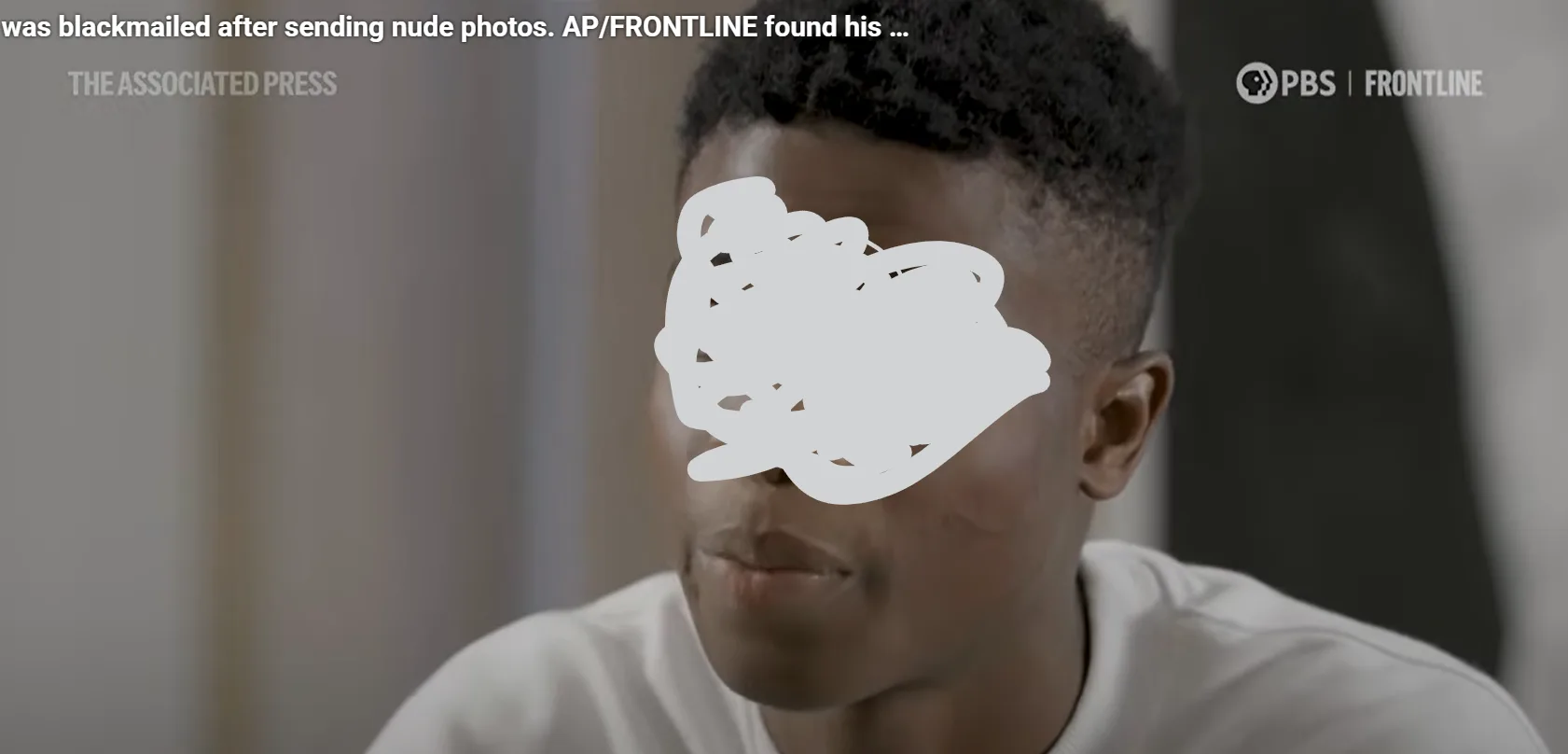
A Nigerian student identified as Ayomide has allegedly tricked a Canadian teenager into sending him intimate photographs before threatening to circulate them unless he received money, according to an investigation by the Associated Press (AP) and FRONTLINE.
The investigation found that Ayomide allegedly posed as a young woman named Ava on social media, particularly TikTok, to establish contact with potential victims.
The Canadian teenager told AP that he sent intimate photographs to Ayomide, who is reportedly in his early 20s.
Ayomide later demanded money, threatening to share the images with the victim’s family, friends and employer.
“My mind couldn’t think anymore. It couldn’t even comprehend the situation I was in,” the victim told AP.
According to the investigation, Ayomide warned that the teenager would have to pay if he wanted to prevent the photographs from being made public.
The teenager initially paid $500.
After transferring the money, he asked: “Are we done now? “Let’s go our separate ways”.
“Not just yet. This isn’t that simple,” Ayomide responded.
The victim told AP that he eventually paid nearly $2,000.
The investigation further revealed that Ayomide allegedly used a photograph of an attractive woman as his TikTok profile image, followed hundreds of foreign men and boys, and started conversations with those who followed him back.
AP said it met Ayomide in Lagos, where he shared chat records from some of his successful scams, including the one involving the Canadian teenager.
Ayomide told the news agency that friends had taught him how to use his phone to blackmail people abroad. He said he was an apprentice at a barbershop while pursuing a degree in computer science.
He reportedly said he preferred cutting hair to carrying out scams, but “the math was not working in his favour”.
Ayomide said he regretted what he had done to the Canadian teenager and would apologise if given the opportunity.
However, the victim told AP that he could not take an apology from a “master manipulator” seriously.
In a video published by AP, Ayomide said he continued demanding money from the teenager because he needed the funds.
Charles Smith, the FBI’s law enforcement attaché in Abuja, told AP that perpetrators of sextortion were “becoming more and more aggressive”.
“It can happen to any of our children, any child with access to a computer or online,” Smith said.
In an interview with AP and FRONTLINE, the Chairman of the Economic and Financial Crimes Commission, Ola Olukoyede, described internet fraudsters, popularly known as Yahoo boys, as a “national shame” to Nigerians.
Olukoyede also said Nigeria would no longer serve as a safe haven for fraudsters.