

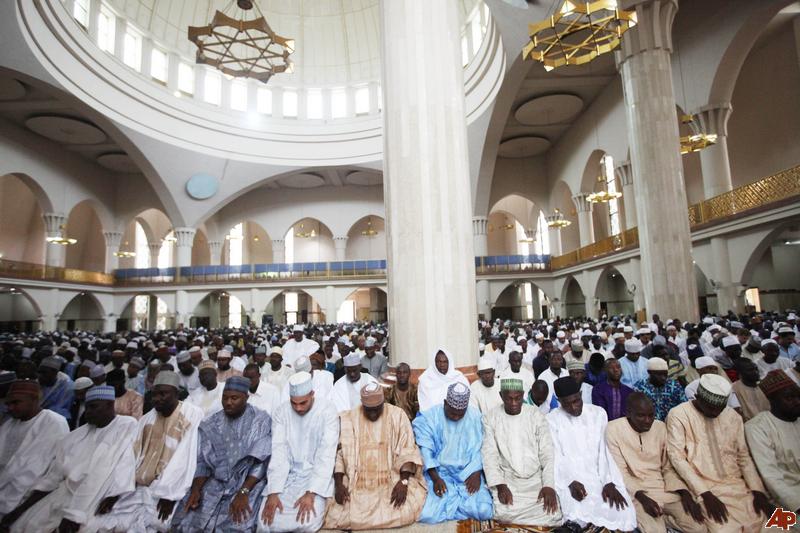
The commemoration of the birth of Prophet Muhammad (PBUH), Maulud Nabiyy, is observed by many Muslims as a time to remember his life, teachings and character. For those who mark the occasion, it can provide an opportunity for spiritual reflection, learning, charity and strengthening community bonds.
Understanding the significance of Maulid al-Nabi
The occasion is associated with remembering the Prophet’s life and expressing love and respect for his example. It can also serve as a period for Muslims to reflect on the values he taught, including compassion, honesty, patience, generosity and justice.

Practices surrounding Maulid al-Nabi differ across countries and Muslim communities. Some communities organise gatherings, recite the Seerah, offer prayers, share meals and engage in acts of charity.
Observing the occasion with respect
A respectful observance should focus on values consistent with Islamic teachings, including kindness, generosity, peacefulness and concern for others.
Muslims may use the occasion to reflect on the Prophet’s character and consider how his teachings can be applied in their everyday lives. Community activities can also be organised in ways that encourage unity and avoid excess or behaviour inconsistent with Islamic principles.
Spiritual practices
For communities that observe Maulid al-Nabi, communal prayers, dhikr and religious lectures are among the activities that may form part of the occasion.
Common expressions of dhikr include:
- SubhanAllah — Glory be to Allah
- Alhamdulillah — Praise be to Allah
- Allahu Akbar — Allah is the Greatest
- La ilaha illallah — There is no god but Allah
- Allahumma salli ala Muhammad — O Allah, send blessings upon Muhammad
Another common activity is the study or recitation of the Prophet’s Seerah. This can cover significant periods of his life, including his birth and early years, the beginning of revelation, the Hijrah to Medina, major events in the early Muslim community and his Last Sermon.
Spreading love, kindness and charity
Maulid al-Nabi can also be used as an opportunity to put the values associated with the Prophet’s example into practice.
Acts of kindness may include:
- Visiting the sick.
- Helping people who are in need.
- Giving gifts to family and friends.
- Supporting vulnerable members of the community.
- Offering assistance to neighbours.
Feeding people is another way communities may mark the occasion. Families, mosques and community groups can organise meals or distribute food to people who may be struggling.
Learning about the Prophet’s life and teachings
One meaningful way to observe Maulid al-Nabi is by increasing one’s knowledge of Prophet Muhammad’s life and teachings.
Studying the Seerah can help Muslims understand his character, challenges and achievements, while learning about the Sunnah can provide guidance on applying his example to everyday life.
Important areas for reflection include his honesty, compassion, patience, humility, treatment of others and commitment to justice.
Community gatherings
Depending on local customs, Maulid al-Nabi gatherings may include religious lectures, communal meals, Seerah recitations and Nasheed performances.
Such gatherings can provide opportunities for families, friends and members of the wider Muslim community to meet, learn and worship together.
Communities may also decorate homes, mosques or event venues with lights, banners and flowers. However, the emphasis can remain on remembrance, learning, worship and community fellowship rather than material display.
Reflection and personal growth
The occasion can serve as a period of personal reflection. Muslims can consider the Prophet’s teachings and identify areas of their own lives that need improvement.
This may include:
- Becoming more patient.
- Improving one’s knowledge of Islam.
- Showing greater kindness to others.
- Strengthening relationships with family and neighbours.
- Giving more generously to those in need.
- Improving one’s character and conduct.
Rather than limiting these values to one day, the lessons drawn from the commemoration can become part of everyday life.
Promoting unity and peace
Maulid al-Nabi is observed differently across Muslim communities around the world. Some communities hold public gatherings and processions, while others focus on prayers, lectures, Seerah recitations or family gatherings.
Despite these cultural differences, communities can use the occasion to promote mutual respect, peaceful coexistence and unity.
By focusing on compassion, generosity, learning and good character, Muslims who observe Maulid al-Nabi can make the occasion an opportunity for spiritual growth and positive impact within their communities.