

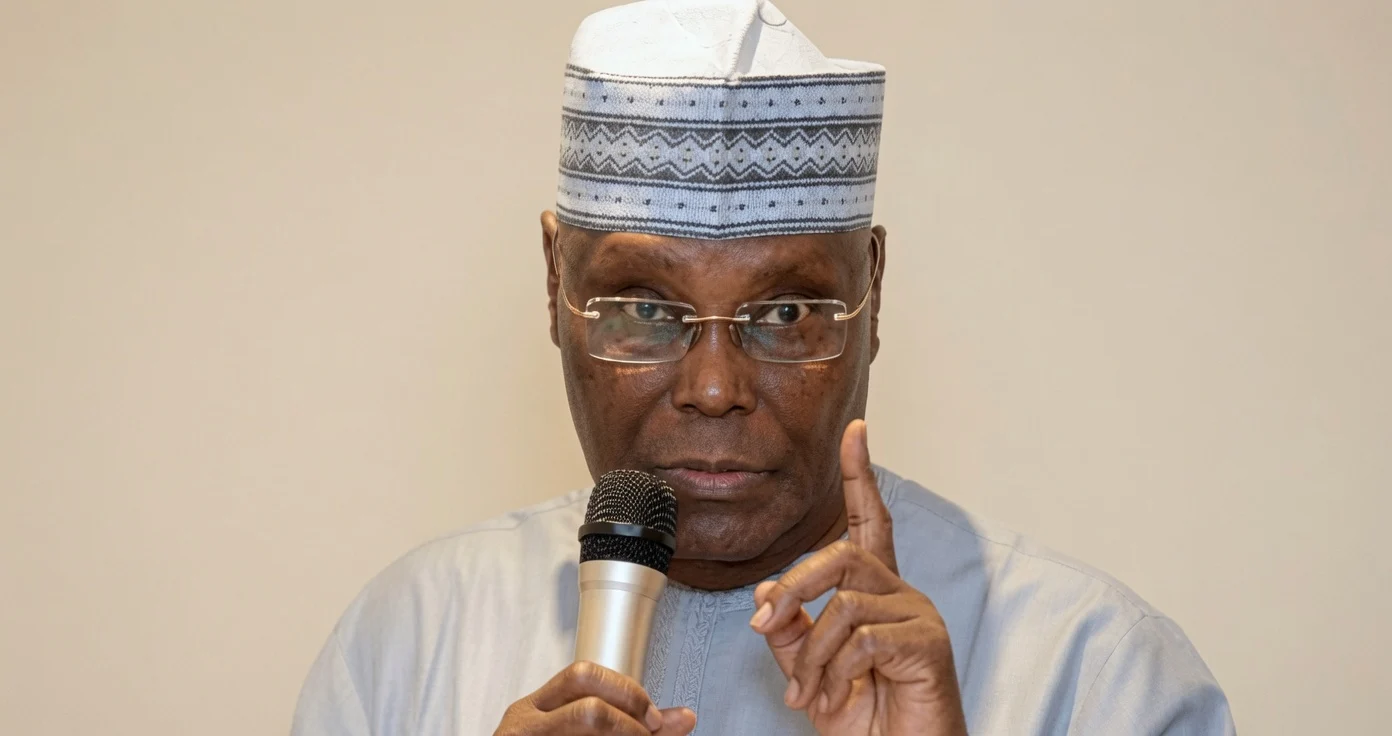
Former Vice-President Atiku Abubakar, the presidential candidate of the African Democratic Congress (ADC), has promised to restore the petrol subsidy if he wins the 2027 presidential election.
Atiku made the pledge during an interview on Wednesday, questioning the whereabouts of funds the Federal Government reportedly saved following the removal of the subsidy.

“I did not oppose the removal of the oil subsidy, but where is the money? Where did it go? It was intended to reduce poverty and help children attend school. Where is the money now? It seems they are just stealing it,” Atiku said in Hausa.
He added, “If elected, I will bring back the oil subsidy, and whoever stole the money must refund it.”
According to the ADC presidential candidate, the removal of the subsidy could have been justified if the resulting savings had been invested in development and improved the welfare of Nigerians.
“The government successfully removed the subsidy, but we do not know where the money went. If they had used the money for development, to solve security problems, for education, and to create opportunities for the youth, it would be different. If elected, I can remove the subsidy and use the money to do all these properly.”
President Bola Tinubu announced the removal of the petrol subsidy during his inaugural address on May 29, 2023.
The policy immediately contributed to a sharp increase in living costs, with the prices of goods and services rising across the country.
However, several state governors have acknowledged that their monthly allocations from the Federation Account Allocation Committee (FAAC) have increased considerably since the subsidy was removed.
Meanwhile, Taiwo Oyedele, the Minister of Finance and Coordinating Minister of the Economy, said on Wednesday that savings from the removal of the petrol subsidy had generated N15.8 trillion in resources for the federation between June 2023 and December 2025.
Oyedele explained that the increased resources were reflected in higher revenue collections, particularly as the naira value of dollar-denominated transactions rose following the exchange-rate reforms.