

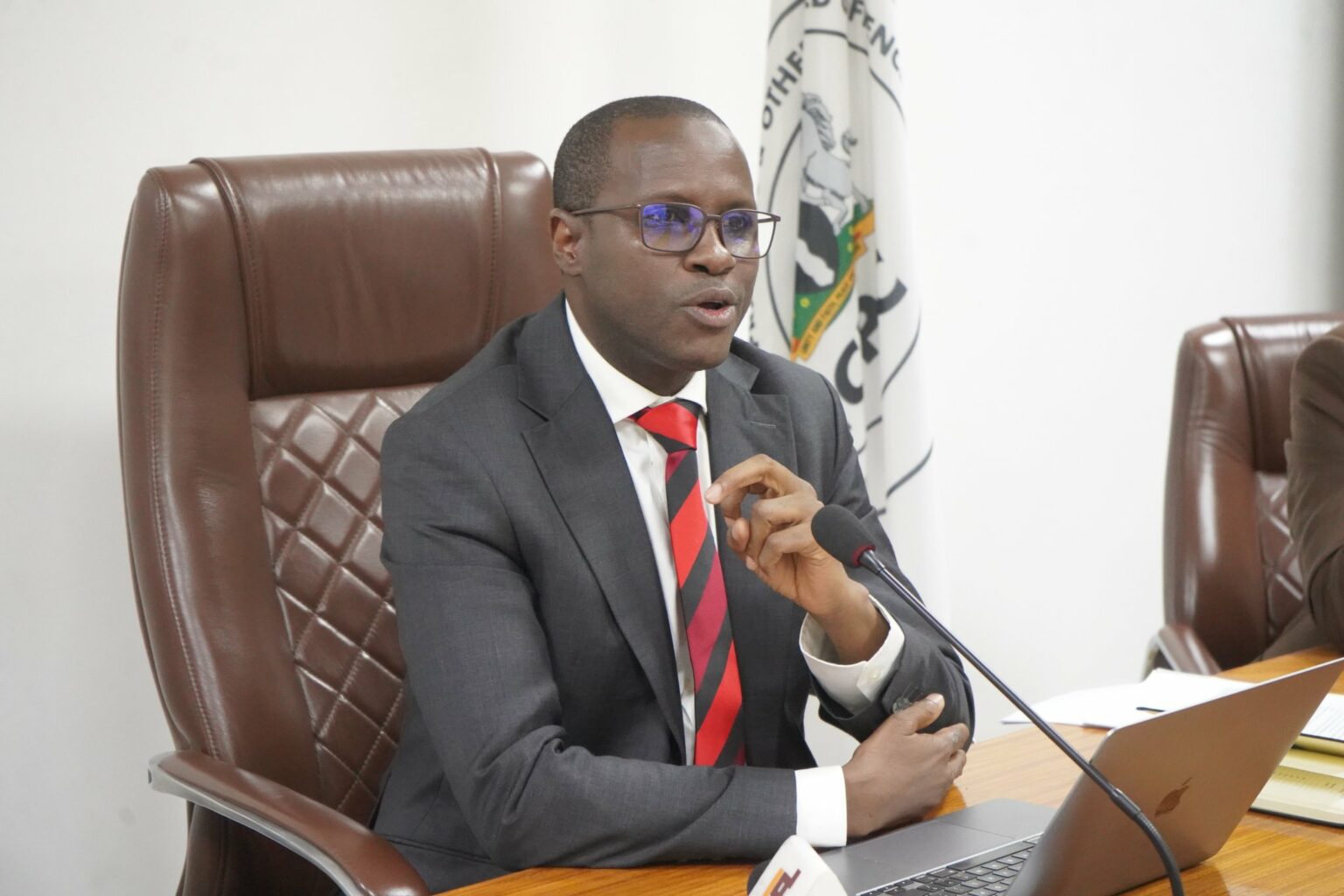
The Independent Corrupt Practices and Other Related Offences Commission has revealed that it tracked road and bridge projects worth over ₦21.23 trillion under the Federal Ministry of Works as part of efforts to curb corruption and promote accountability in public spending.
The commission’s chairman, Musa Aliyu, disclosed this on Thursday in Abuja during an ICPC/Nigerian Union of Journalists workshop themed, “Reinvigorating the National Anti-Corruption Strategy (2022–2026): A Post-Assessment Roadmap for the Fourth Estate.”

Aliyu explained that the commission focuses on prevention by closely monitoring public expenditure, particularly through its Constituency and Executive Projects Tracking Initiative.
He noted that in recent tracking phases, about 950 projects across 26 states and the Federal Capital Territory, valued at roughly ₦415.25bn, were monitored.
According to him, the exercise uncovered abandoned and poorly executed projects, forced contractors back to work, and improved accountability in public service delivery.
He added that project tracking serves as a proactive measure to ensure value for money and prevent corrupt practices.
The ICPC chairman said, “The Commission has prioritised oversight of public expenditure through the Constituency and Executive Projects Tracking Initiative, ensuring that public funds translate into tangible outcomes for citizens. Notably, under recent phases of project tracking, the Commission monitored about 950 projects across 26 states and the FCT, valued at approximately ₦415.25 billion.
“In addition, projects under the Federal Ministry of Works valued at over ₦21.23 trillion were also tracked, reflecting the scale of our preventive oversight responsibilities. These interventions have led to the exposure of abandoned and underperforming projects, compelled contractors back to site, and strengthened accountability in public service delivery.”
Aliyu also highlighted the importance of collaboration between the media and anti-corruption agencies, describing journalists as key partners in promoting transparency.
“The media remains one of the most powerful instruments in the fight against corruption. As journalists, you are not merely observers — you are watchdogs, agenda-setters, and catalysts for reform,” he said.
He encouraged journalists to strengthen investigative reporting and uphold responsible journalism in support of anti-corruption efforts.
The ICPC boss added that the engagement was designed to generate ideas, deepen collaboration, and shape actionable contributions for the next phase of the National Anti-Corruption Strategy.
The workshop, he noted, is part of the commission’s ongoing efforts to work closely with the media in implementing the National Anti-Corruption Strategy (2022–2026), aimed at enhancing transparency, accountability, and public awareness in the fight against corruption.
