

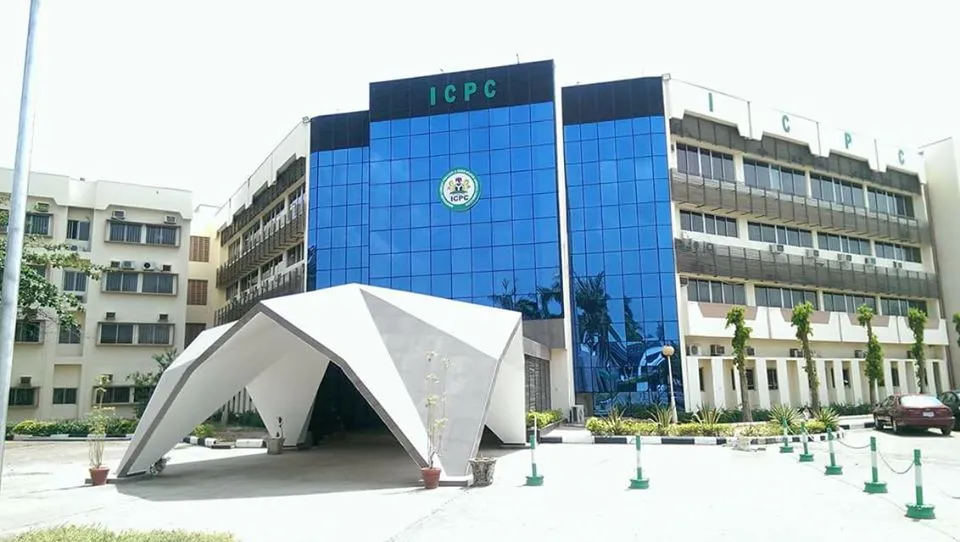
The Independent Corrupt Practices and Other Related Offences Commission has partnered with the United Nations Office for the Coordination of Humanitarian Affairs to tackle fraud and corruption threatening humanitarian aid delivery in Nigeria’s North-East.
The partnership aims to identify corruption risks, supply chain leakages and fraudulent practices that could undermine assistance to vulnerable communities in Borno, Yobe and Adamawa states.

The Resident Anti-Corruption Commissioner of the ICPC overseeing Borno and Yobe states, Linus Gubbi, disclosed this during a familiarisation visit to the UN OCHA office in Maiduguri on Tuesday.
Gubbi said the visit was intended to formally introduce the ICPC leadership in Borno State to the UN agency and establish direct communication channels between the two organisations.
He acknowledged UN OCHA’s role in coordinating life-saving humanitarian assistance, mobilising resources and providing relief to millions of vulnerable people across the North-East and the wider Lake Chad region.
“Our presence today is driven by three primary objectives: to formally introduce the ICPC Borno State leadership to OCHA and establish direct channels of communication between our institutions,” he said.
He added that the partnership would identify areas vulnerable to corruption and establish a long-term framework for integrating anti-corruption safeguards into humanitarian operations.
“To identify key areas where corruption risks, supply chain leakages and fraudulent practices threatens the efficiency of aid delivery in the region. To also lay the foundation for a robust long-term partnership that integrates anti-corruption safeguards into humanitarian frameworks,” he noted.
ICPC offers training, investigation support
Gubbi said the partnership would provide opportunities for capacity building, information sharing, secure reporting of suspected corruption and prompt investigations into alleged wrongdoing.
He explained that UN OCHA could benefit from specialised training for humanitarian workers and local partners on anti-corruption procedures.
The commission would also facilitate early access to information concerning the suspected diversion or misuse of humanitarian resources.
“Secure direct channels for reporting corruption risks, paired with prompt, discreet investigations where infractions occur. Technical advice to strengthen internal control systems,” he said.
Gubbi appreciated UN OCHA for receiving the ICPC delegation and urged the organisation to take advantage of the partnership to strengthen accountability in humanitarian operations.
He reiterated the importance of the UN agency’s work in coordinating emergency assistance and providing relief to vulnerable populations across Borno, Yobe, Adamawa and the wider Lake Chad region.
UN seeks stronger accountability mechanisms
In her remarks, the Head of Office of UN OCHA in Maiduguri, Patricia Mucheche, called for capacity building to ensure that stakeholders understood accountability procedures and the processes for reporting suspected misconduct.
She said stakeholders needed clear information on how to report allegations, the steps taken after a report was submitted, expected timelines, confidentiality safeguards and possible outcomes.
According to Mucheche, effective reporting mechanisms and information sharing would strengthen confidence among humanitarian stakeholders and promote the responsible management of relief resources.
She described the partnership with the ICPC as timely and assured that UN OCHA would continue working with relevant stakeholders to promote transparency in the delivery of humanitarian assistance to vulnerable communities across the North-East.
The collaboration is expected to strengthen accountability measures and help protect humanitarian resources intended for people affected by conflict and other emergencies in the region.