

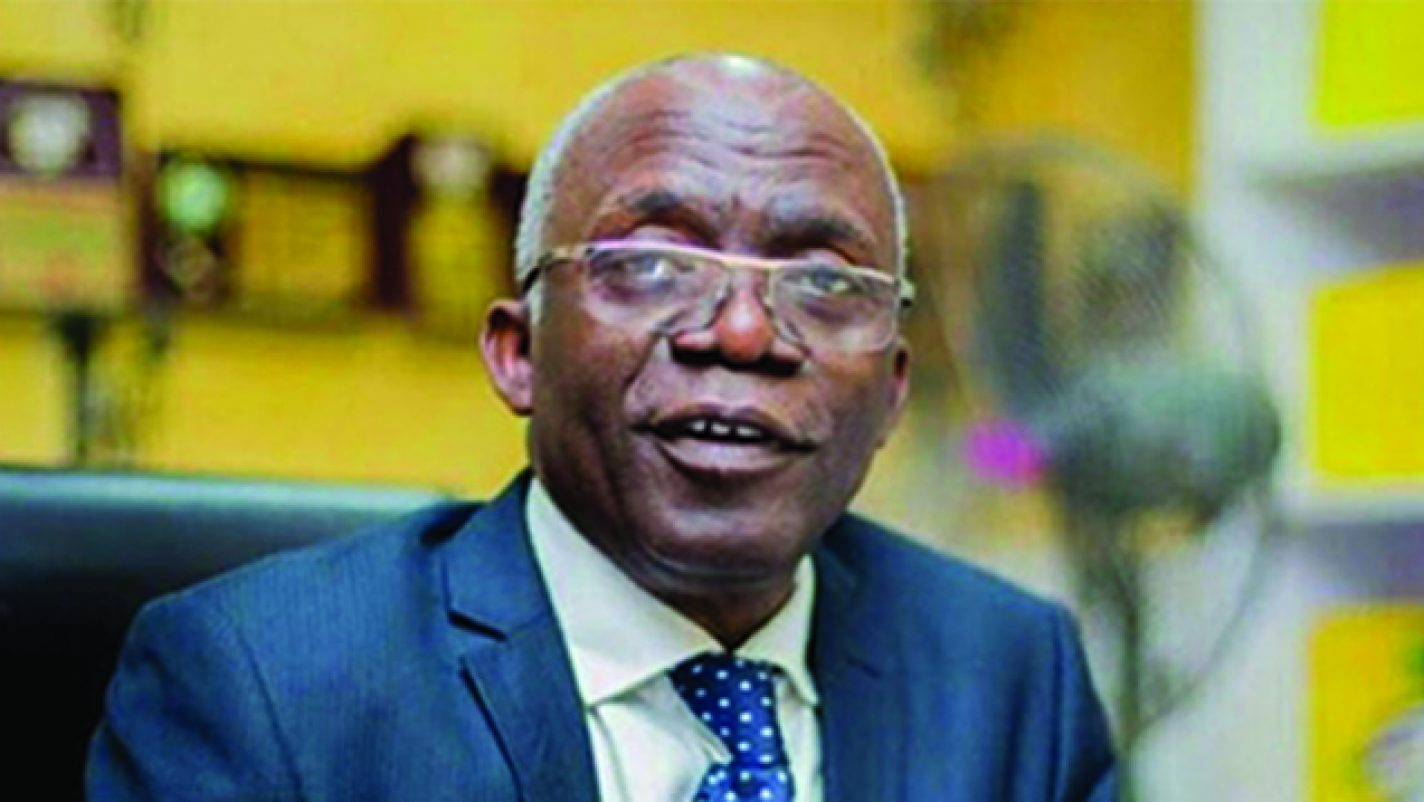
A Senior Advocate of Nigeria (SAN), Femi Falana, has called for the position of the chairman of the Independent National Electoral Commission (INEC) to be advertised so that qualified members of the public can apply.
He said this approach would help ensure the commission’s independence and aligns with the recommendations of the Justice Mohammed Uwais panel of 2008.

On October 16, the senate confirmed Joash Amupitan, a senior advocate of Nigeria and professor of law, as the new INEC chairman following his nomination by President Bola Tinubu.
Speaking on Channels Television’s Politics Today on Wednesday, Falana explained that his proposed model has already been adopted in other African nations such as Lesotho and Botswana.
“What other countries in Africa have done is to put in place a mechanism whereby vacant positions in the electoral bodies are advertised,” he said.
“This was the recommendation of the Uwais Panel as far back as 2008, that in choosing members of the electoral commission and resident electoral commissioners, we should advertise the positions.
“Right now, such an advert has just been published in Lesotho, an African country, so that those who believe they are credible will conduct good elections, men and women of character and integrity will apply.
“Members of the public will be given the opportunity to object to any of them who are not qualified morally or otherwise. And then the names are shortlisted, and the best three are sent to the national assembly.
“The Uwais panel had recommended that the National Judicial Council be the body that will scrutinise the candidates and recommend the best three.
“So, the president will simply take the names to the national assembly for the legislators to choose from the list.
“This goes a long way to make the body free from control.”
The human rights advocate also urged the amendment of the Electoral Act to allow Nigerians in the diaspora to participate in elections.
“Today, remittances from citizens abroad are higher, sometimes, than the money we make from oil and gas,” Falana said.
“If they are remitting millions of dollars, which go a long way to improve the economy, they also have a right to demand that they be allowed to participate in electing the leaders of the country.”