

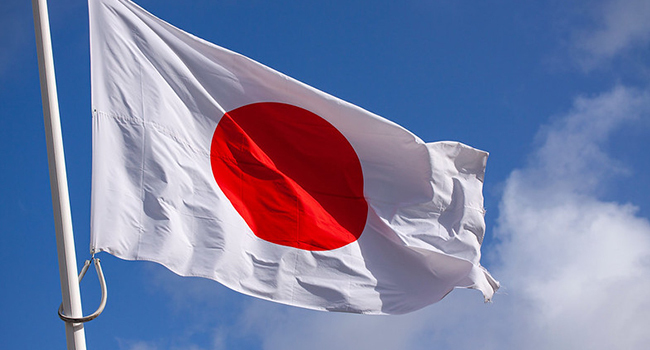
Japan’s international aid agency announced on Thursday that it would cancel a friendship exchange programme with African nations after false rumours spread suggesting it would trigger mass migration.
The Japan International Cooperation Agency (JICA) said it would scrap the “JICA Africa Hometown” initiative, which aimed to promote cultural and social exchanges between four African countries and four regional Japanese cities.

However, the announcement sparked a surge of emails and phone calls to the participating cities from concerned residents who mistakenly believed the programme was a new immigration policy.
The backlash overwhelmed local authorities, hindering their ability to carry out routine municipal duties.
“The project caused misunderstandings and confusion,” JICA President Akihiko Tanaka told reporters at a press conference. “The Africa Hometown initiative will be withdrawn.”
The cancellation follows a rise in anti-immigration sentiment in Japan, despite the country maintaining some of the strictest immigration controls among developed nations.
Japan launched the initiative during a major Africa development conference it hosted in August. The programme was intended to offer job training and cultural exchanges but did not involve any immigration routes or special visa arrangements.
Nevertheless, misinformation — particularly online — claimed the initiative would result in an influx of African migrants into the participating cities of Kisarazu, Sanjo, Imabari, and Nagai.
Confusion intensified after the Nigerian government mistakenly announced that Japan would “create a special visa category,” while some media outlets and social media posts falsely claimed the programme was designed to ease immigration.
Despite repeated denials from the Japanese government, the participating cities, and mainstream media, the local authorities continued to receive thousands of critical messages.
Japanese politicians have acknowledged that the nation, facing a shrinking population, needs young foreign workers to support its economy, but they remain wary of permanent immigration.
Foreigners account for just three per cent of Japan’s workforce. Yet the nationalist Sanseito party gained ground in recent upper house elections by calling for “stricter rules and limits” on immigration.
Tanaka said JICA would continue to run international exchange programmes — including those involving Africa — and emphasised that the agency does not handle immigration matters.