

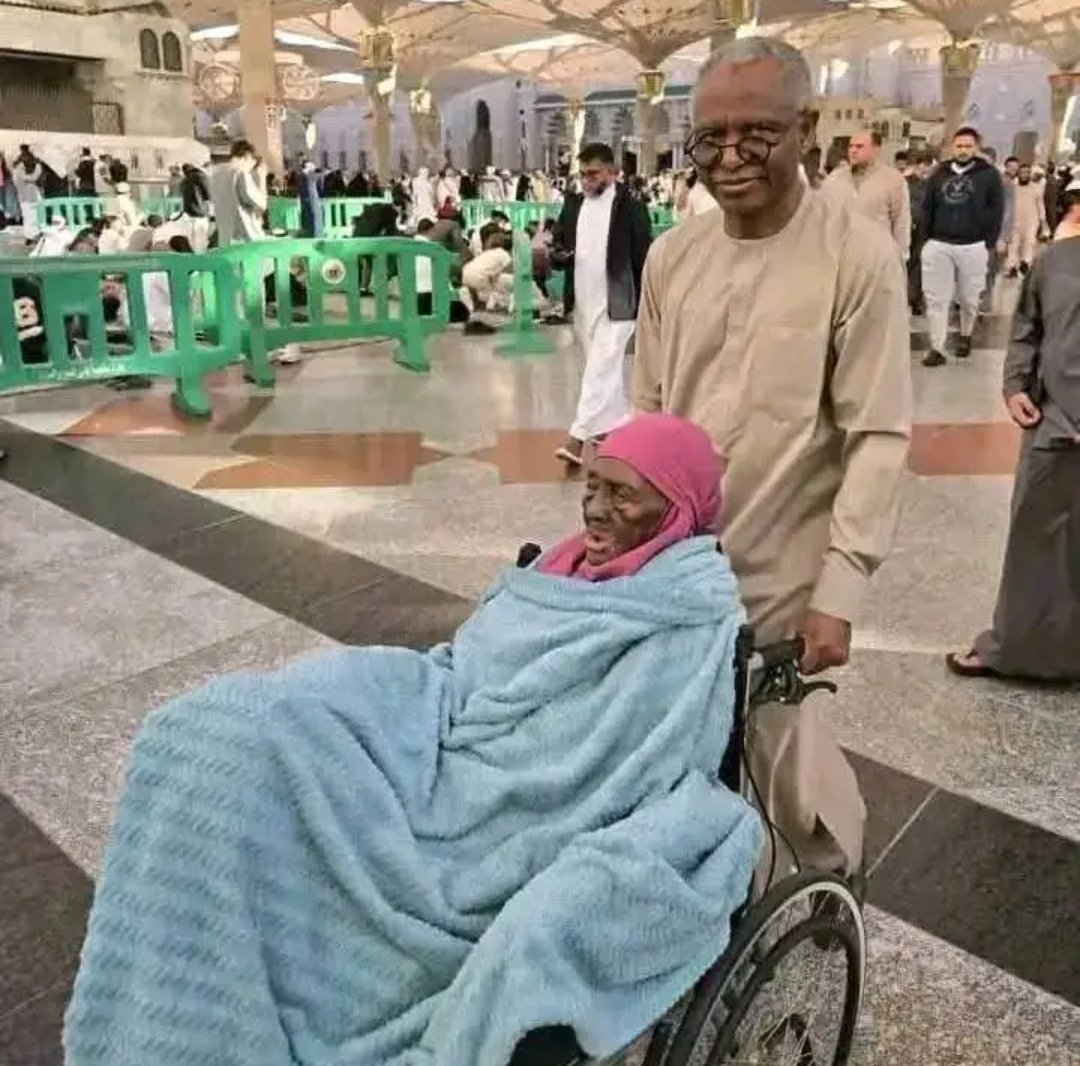
Abuja-based constitutional lawyer and rights activist, Deji Adeyanju, has praised the Federal Government for granting former Kaduna State governor, Nasir El-Rufai, temporary release following the death of his mother.
Hajia Umma El-Rufai died on Friday in Cairo, Egypt, where she had reportedly been undergoing treatment for an undisclosed illness.

In what many have described as a humanitarian move, the former Minister of the Federal Capital Territory—who has been in detention over allegations of corruption and abuse of office—was allowed out of custody to attend her burial rites.
In a statement issued on Saturday in Abuja, Adeyanju commended the government for showing compassion, while emphasising that the decision should be grounded in proper legal procedures.
He said, “The decision to grant Mallam Nasir El-Rufai temporary release from Independent Corrupt Practices Commission custody to attend his mother’s burial is both humane and commendable but must be backed by court decision/order since he was remanded in custody on the order of the court.
“The decision to allow El-Rufai to attend his mother’s funeral reflects a necessary balance between the demands of justice and respect for fundamental human dignity.”
According to him, “Bail, whether administrative or judicial, should not be misconstrued as an escape from accountability, but rather as a lawful and compassionate accommodation in deserving circumstances.”
He described the move as a positive signal, noting that the authorities’ action demonstrates empathy while still upholding the rule of law.
El-Rufai’s current legal challenges stem from a series of high-profile allegations he made after leaving office, which drew the attention of federal authorities. The former governor had been outspoken in criticising elements within the political system and security structure, raising concerns about governance, internal party issues, and alleged misconduct by public officials.
Some of his remarks—particularly those relating to sensitive national security matters and corruption allegations within federal institutions—prompted investigations that led to his arrest and prosecution.
Anti-graft and security agencies acted, citing both the seriousness of his claims and alleged financial misconduct and abuse of office linked to his time in government.
His detention followed a court order after he was arraigned by the Independent Corrupt Practices Commission, which maintained there were sufficient grounds to remand him pending further proceedings.
The decision to grant him temporary release highlights the intersection of law, politics, and humanitarian considerations—an uncommon but not unprecedented practice in Nigeria’s justice system, where detainees are sometimes permitted, under strict supervision, to attend critical family obligations.
