

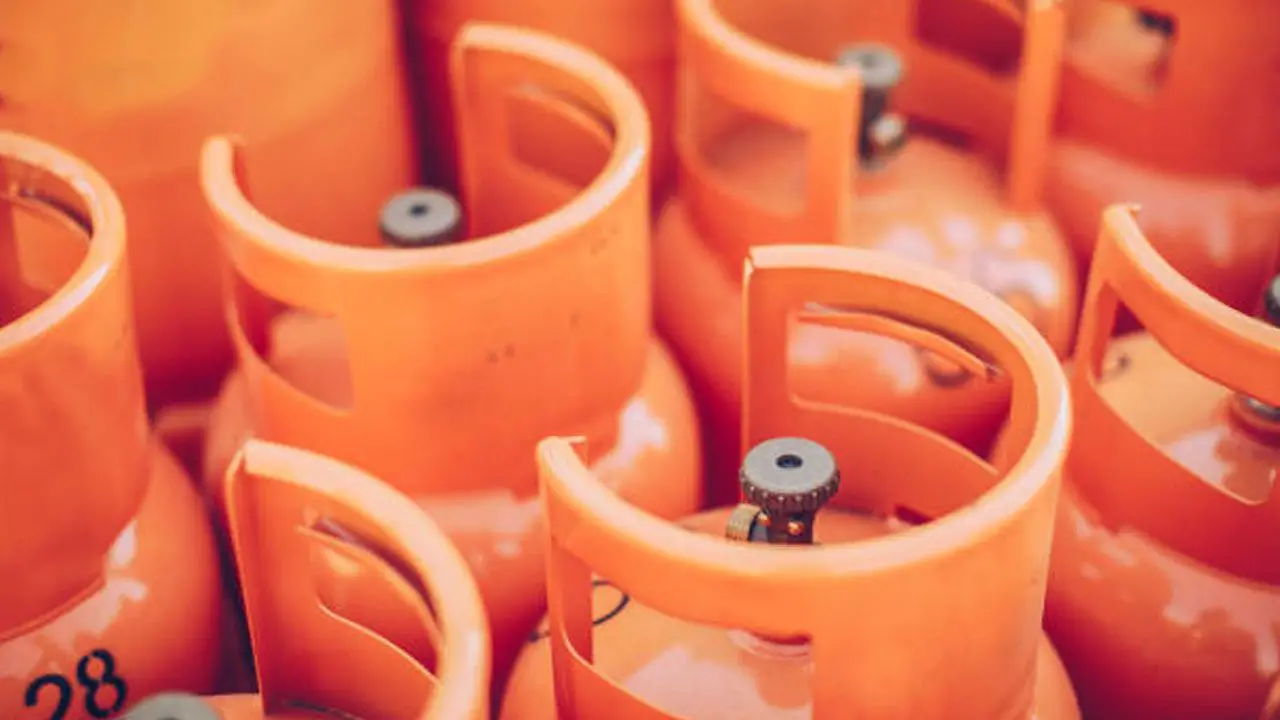
Gas marketers have expressed concern over the growing scarcity of Liquefied Petroleum Gas (LPG), commonly known as cooking gas, alongside a steady rise in prices, which have climbed to as high as ₦1,500 per kg from about ₦1,300 per kg depending on location.
In a statement issued on Sunday, the Nigerian Association of Liquefied Petroleum Gas Marketers (NALPGAM) urged the Federal Government, relevant agencies, regulators, importers, producers, depot operators, consumers, and the wider public to address what it described as “the erratic supply and hike in price” of cooking gas nationwide.

The association noted that although prices have reached ₦1,500/kg in some areas, marketers are currently purchasing 20MT of LPG for as much as ₦25,200,000 or ₦26,200,000 depending on location.
“It is sad and rather very pathetic to inform the general public that the citizens of Nigeria have woken up to buy cooking gas, which should be a social item at a prohibitive cost of over N1,500per kg, while the Marketers are made to pay as much as N25,200,000, or, depending on location, N26,200,000 for 20MT of cooking gas.
“We feel that if the situation is not immediately checked, the citizens may rise against the owners of gas filling stations.
“This sad situation has brought untold hardship to millions of Nigerian households, small businesses, food vendors, and low-income families who rely on LPG for daily cooking and livelihood.
“It is rather worrisome to state that this situation is seriously eroding the substantial progress made by the Government on the usage of Clean Energy in the country”.
NALPGAM further explained that members are facing difficulties in sourcing LPG due to supply shortages, high depot costs, logistics challenges, and rising operational expenses.
The association added that where product is available, it is often sold at prices beyond the reach of average consumers. It also warned that the crisis is reversing gains made under government clean energy initiatives aimed at reducing dependence on kerosene, charcoal, and firewood.
According to the group, the current situation is already pushing households into hardship, forcing small businesses to shut down, and driving some families back to unsafe cooking alternatives with environmental and health consequences.
It warned that if urgent steps are not taken, the crisis could worsen food inflation, weaken small-scale LPG businesses, lead to job losses, reduce investor confidence, and undermine Nigeria’s clean energy goals.
Calling for intervention, NALPGAM urged the Federal Government, Ministry of Petroleum Resources, Nigerian Midstream and Downstream Petroleum Regulatory Authority (NMDPRA), Nigerian National Petroleum Company (NNPC) Ltd, producers, importers, and other stakeholders to act swiftly to stabilise supply and prices.
It recommended improved LPG availability, increased domestic allocation, fair distribution across regions, reduced importation and logistics bottlenecks, and policies to ensure price stability and consumer protection.
The association also called for investment in storage and distribution infrastructure, alongside long-term policies to support affordability and sector sustainability.
NALPGAM reaffirmed its readiness to work with stakeholders to ensure stable supply and affordable access to LPG nationwide.