

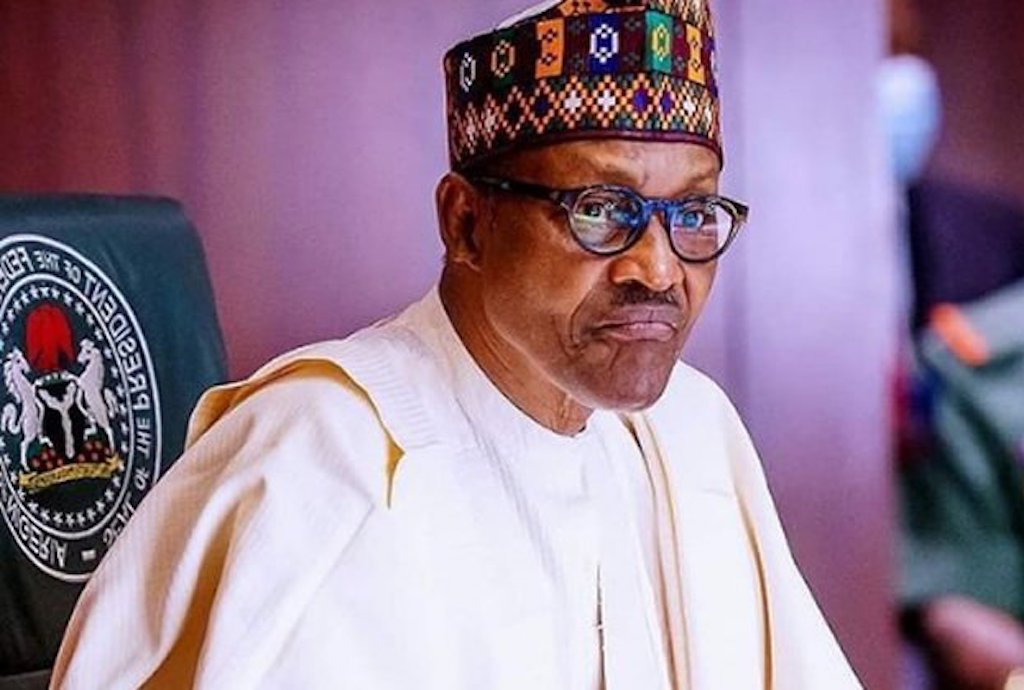
Halima Buhari, the daughter of former President Muhammadu Buhari, has shared uncommon details about her late father’s private world, disclosing that he was keenly conscious of public criticism and the sense of disappointment many Nigerians felt about his tenure.
Addressing an audience made up of former cabinet members, past governors, traditional leaders and political figures, Halima explained that her father recognised that many Nigerians who invested great hope in his leadership—especially regarding security and economic revival—felt dissatisfied with the outcome of his administration.

She spoke about the heavy responsibilities that came with the office, noting that Buhari frequently wrestled with the harsh realities of leading a diverse and demanding nation, where public expectations often conflict with what is practically achievable.
“Behind every soundbite, there was a human being; sometimes tired, sometimes determined, sometimes frustrated, always painfully aware that his decisions impacted millions of lives,” she said.
“That human being was our father. I saw a side of him that never appeared on television and was rarely captured in print.”
Halima portrayed Buhari as a quiet and introspective person who preferred listening to speaking and bore national challenges with deep concern.
“I saw the man who would sit quietly, listening more than he spoke. The man who worried about the security of ordinary people. The man who agonised over the gap between what was promised and what was possible,” she said.
“For the public, he was President Buhari. For us at home, he was simply ‘Baba.’”
She emphasized that governance, particularly in Nigeria, is complex and seldom clear-cut, often requiring painful decisions and compromises.
“Leadership, especially in a country as complex as Nigeria, is never as straightforward as it looks from the outside,” she said. “It involves trade-offs, compromises, and very often, imperfect choices.”
According to her, Buhari was not shielded from public backlash nor did he ignore dissenting opinions.
“My father was not unaware of the criticism levelled against him. He knew that many Nigerians felt that more would have been done or done differently,” she said.
“He heard the voices of those who were disappointed, just as he heard the gratitude of those who felt their lives had improved.”
Halima clarified that the event was not meant to revise or polish her father’s record in office, stressing that ongoing debate about his presidency is a vital aspect of democracy.
“Our presence here today is not to rewrite that history or to insist on a single interpretation of his years in office,” she said. “Nigerians will continue to debate his legacy as they should in a vibrant democracy.”
She added that diverse narratives about Buhari’s time in power would continue to be published.
“There will be books that praise, books that criticise, and books that will try to document,” she said.
Speaking specifically about Lai Mohammed’s work, Halima described it as an important insider account.
“This particular book, written by someone who was in the inner circle of communication and messaging, provides one important perspective of how an administration must be shaped and sometimes challenged in the court of public opinion,” she said.
