

Daura, a former director-general of the Department of State Services (DSS), is Makinde’s running mate, while Obi and Kwankwaso are the presidential and vice-presidential candidates, respectively, of the Nigeria Democratic Congress (NDC).
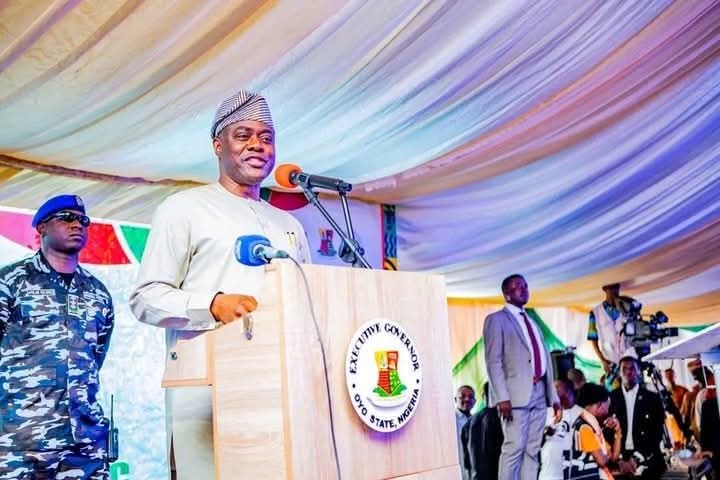
Makinde made the remarks during an appearance on the ‘Rooftop with Kayode Okikiolu’ podcast, published on Sunday. He was asked why Nigerians should prefer his ticket with Daura to the Obi-Kwankwaso combination.
The Oyo governor argued that the traditional alliance between the South-West and the North had historically helped maintain stability in Nigeria, particularly during periods of crisis.
“Apart from the traditional south-west/north alliance, because that alliance has always provided stability for Nigeria in times of crisis in the past,” Makinde said.
He referred to Nigeria’s first military coup, arguing that the North and South-West had historically played significant roles in efforts to preserve the country’s stability.
“I mean, if you even go back to the first military coup in Nigeria, the people that were wasted were basically the north and south-west because we’re always in the forefront of stability for the country,” he said.
Makinde also pointed to the youthful energy of his ticket and his administration’s performance in Oyo State as reasons Nigerians should consider his presidential ambition.
He further pledged to establish a transitional government of national unity if elected, saying the proposed arrangement would address the country’s socio-political challenges.
The governor said he would not personally benefit from the outcome of the proposed transition, arguing that this would help him make decisions in the national interest without personal considerations.
“I can lead it, but I will not be a beneficiary of the outcome because, if I’m looking at myself as benefitting from that outcome, it may cloud my judgment and also blur how I would take that decision up front,” Makinde said.
He added that he had deliberately excluded himself from any potential benefits of the transition to ensure that his decisions would not be influenced by personal interests.
“I have removed myself, and say, ‘look, I will not be there,’ and I’m saying it for the record even now,” he said.