

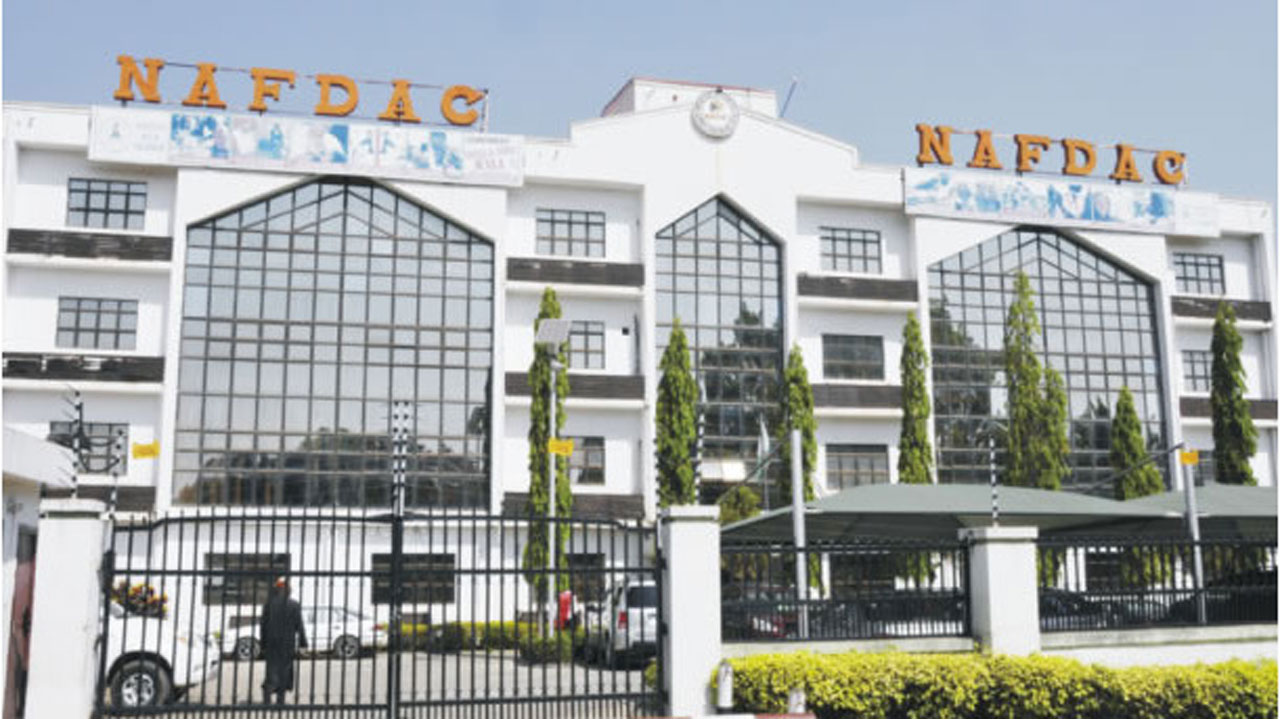
The National Agency for Food and Drug Administration and Control (NAFDAC) Tuesday refuted claims circulating on social media that it has secretly banned the sale and use of Amoxicillin in Nigeria, describing the allegation as false, misleading and entirely without factual basis.
A statement issued by the director general, NAFDAC, Prof. Mojisola Adeyeye, clarified that Amoxicillin has not been banned in Nigeria, either secretly or publicly, adding that any regulatory action taken by the agency is always communicated transparently through its official channels.

She said as the nation’s drug regulatory authority, it routinely informs Nigerians of product recalls, safety alerts, blacklists and other regulatory measures through clearly documented public notices. These communications, the agency stated, always specify affected product names, batch numbers, manufacturers and the appropriate actions required to safeguard public health.
The agency further noted that blacklisting, where applicable, targets specific companies or products found to be substandard, falsified or in violation of regulatory standards, and does not amount to a blanket ban on an entire medicine.
NAFDAC acknowledged that in recent months, it issued targeted safety alerts concerning certain brands and batches of Amoxicillin due to quality concerns. In August 2025, Public Alert No. 24/2025 announced the recall of Amoxivue (Amoxicillin) 500mg capsules after tests revealed low Active Pharmaceutical Ingredient (API) content.
Similarly, in October 2025, Public Alert No. 34/2025 addressed substandard batches of Astamocil and Astamentin suspensions, while Public Alert No. 35/2025 warned against substandard batches of Annmox and Jawamox suspensions.
NAFDAC stated that these regulatory actions were product-specific and should not be misconstrued as a ban on Amoxicillin as a drug.
The agency advised members of the public to ignore the misleading viral video and rely solely on verified information published on NAFDAC’s official platforms, particularly its Recalls and Safety Alerts page on its website.
