

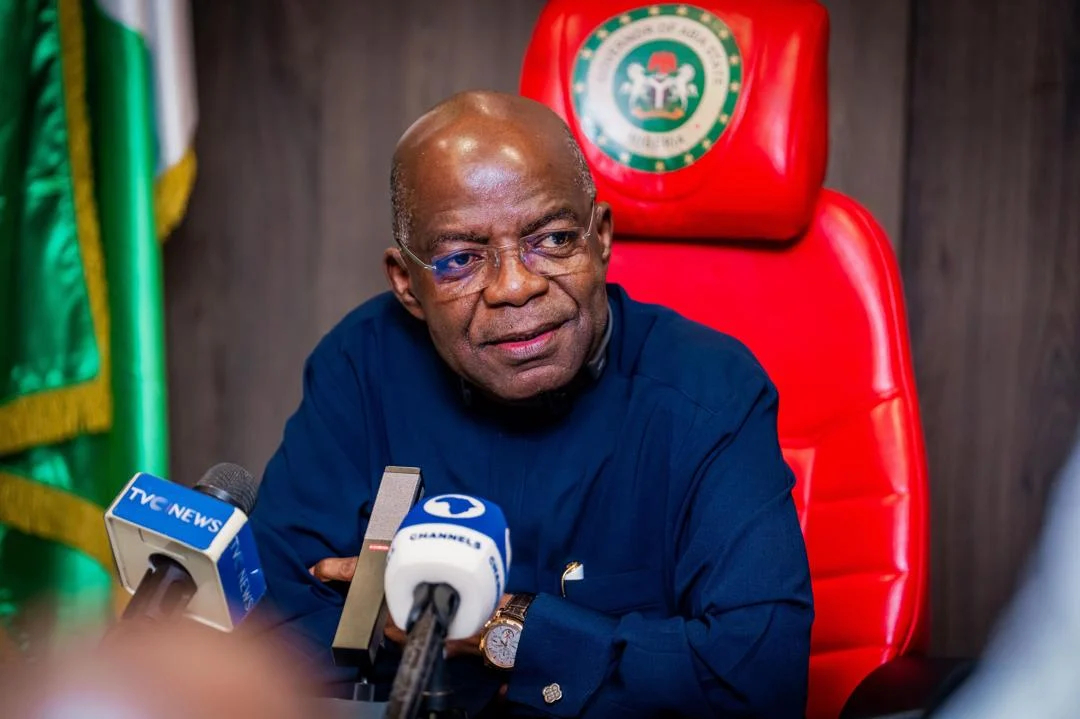
Abia State Governor, Alex Otti, has thrown his weight behind the removal of petrol subsidy, arguing that bringing the policy back would be detrimental to the country.
The governor spoke during an interview with Arise Television on Friday, where he discussed the economic consequences of the subsidy regime and his position on the government’s decision to end it.

Otti said government intervention should focus more on boosting production rather than reducing the cost of fuel consumption.
“I don’t have a problem supporting production, but consumption should not be subsidised,” Otti said.
He disclosed that he had supported the removal of fuel subsidy as far back as 2020, during the COVID-19 pandemic, when the global oil market experienced a major downturn.
According to him, the situation at the time created an opportunity for Nigeria to reconsider the subsidy arrangement.
The governor also argued that keeping fuel prices artificially low encouraged excessive consumption because motorists were not paying the actual cost of the product.
“You know, as election approaches, people will be making all sorts of arguments, but removing the subsidy was the right thing to be done.
“And I don’t think anybody who is praying that subsidy returns means well for the country,” he said.
Otti further described the former subsidy system as a “scam”, alleging that it was open to abuse and encouraged wasteful fuel consumption.
Explaining his position, he said subsidised fuel could make motorists less concerned about how much petrol they consumed.
“So if you are being subsidised, you can just blast all vehicles, maybe 20 vehicles, you put all of them on the road because somebody is paying for it,” he said.
Although he admitted that Nigerians would experience difficulties following the removal of the subsidy, Otti maintained that the policy was necessary for the country.
“There will be the pain initially,” he said.
The petrol subsidy was removed by President Bola Tinubu on May 29, 2023, shortly after he assumed office. The decision ended the government’s previous practice of covering part of the cost of petrol in order to keep pump prices lower.
Following the announcement, petrol prices increased substantially, contributing to higher transportation and living expenses.
The impact of the policy has continued to generate debate, with calls for either its reversal or additional measures to ease the burden on Nigerians.
