

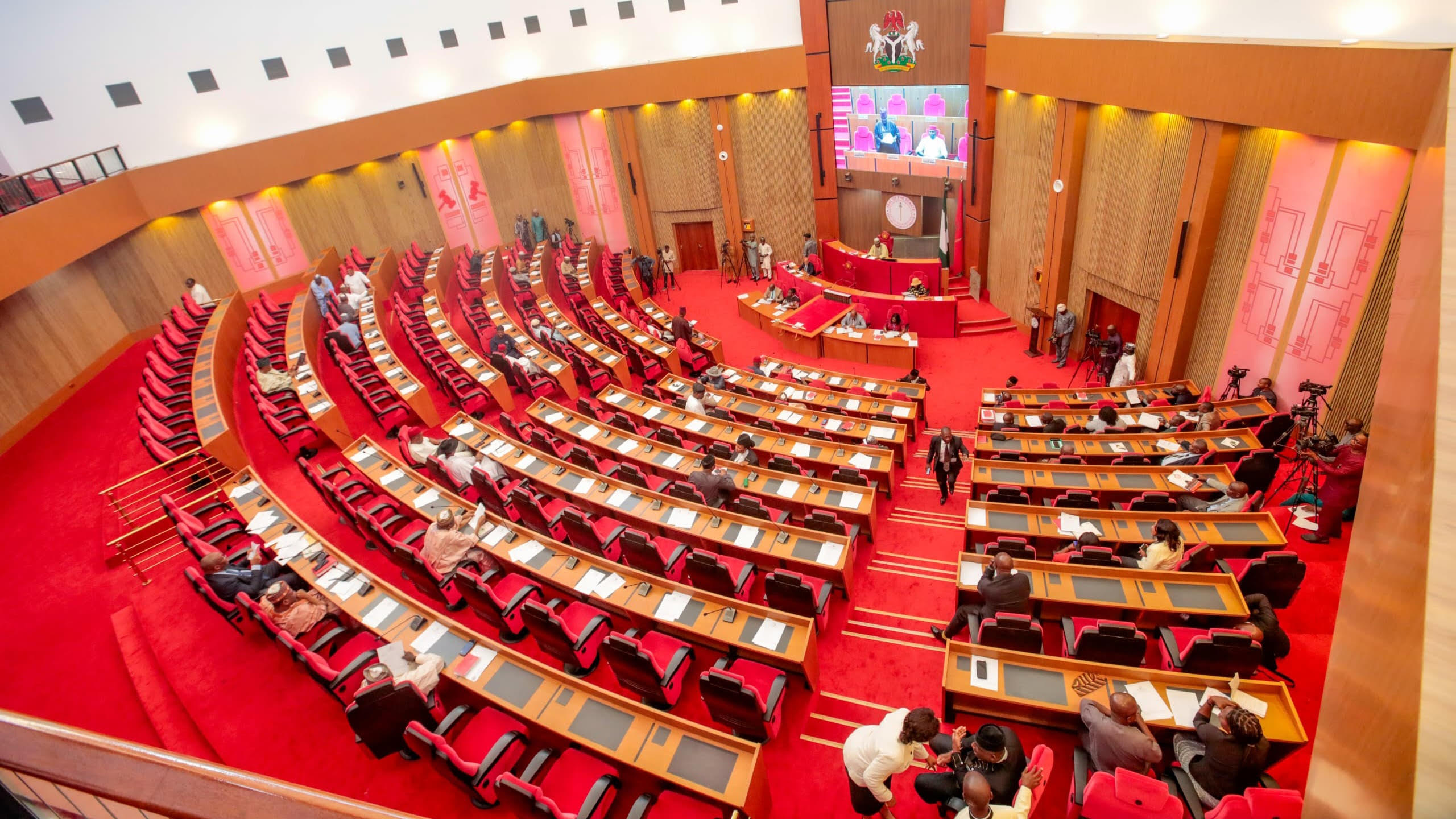
The Senate is considering changes to Nigeria’s senior secondary education funding system, with a proposal to extend government support to Federal Unity Colleges and secondary schools operated by the Armed Forces.
The proposed National Senior Secondary Education Commission (Amendment) Bill, 2026, sponsored by Senate Leader Opeyemi Bamidele, was approved for second reading on Tuesday.

The bill seeks to improve the management of public senior secondary schools through better funding, infrastructure development and stronger oversight. It also proposes the establishment of education boards across states and the Federal Capital Territory to coordinate intervention programmes.
During the debate, Bamidele, who represents Ekiti Central Senatorial District, pointed to inadequate school facilities, shortages of instructional materials and laboratory equipment, as well as differences in educational standards across the country.
He argued that these challenges required changes to the National Senior Secondary Education Commission Act, 2023, to improve the delivery of education.
“The importance of senior secondary education in our national development cannot be overstated,” Bamidele said, stressing its role in preparing young Nigerians for higher education, technical and vocational training, skills acquisition and productive participation in the economy.
He said the proposed state and FCT boards would help ensure that educational interventions reached schools and communities more effectively.
Under the proposed amendments, Federal Unity Colleges and Armed Forces senior secondary schools would also benefit from interventions aimed at addressing infrastructure deficiencies and limited access to learning resources.
Bamidele, however, emphasised that the success of the initiative would depend on proper financial management, accountability and effective supervision.
“The successful implementation of the proposed amendments will depend on clear operational guidelines, transparent allocation criteria, effective monitoring, proper financial accountability and coordination between the Commission and the relevant authorities,” he said.
The Senate Chief Whip, Mohammed Monguno, supported the proposal, noting that improved funding and coordination could expand access to quality secondary education.
Senators Diket Plang and Ahmad Lawan also backed the bill, expressing hope that the proposed reforms would strengthen teaching standards and improve students’ academic performance.
Lawan criticised some state governors for failing to make effective use of funds available through the Universal Basic Education Commission (UBEC). He also faulted those who failed to provide the counterpart funding required to access the commission’s support for school development.
However, Senator Adams Oshiomhole questioned the process, arguing that lawmakers should have access to copies of the proposed legislation before being asked to consider changes to an existing law.
Despite his concerns, the Senate passed the bill for second reading through a voice vote and referred it for further legislative consideration.
The proposal comes against the backdrop of concerns over inadequate educational facilities, unequal access to learning materials and persistent differences in school standards across Nigeria.
Meanwhile, the Senate urged the Federal Government and relevant agencies, particularly the Ecological Project Office, to take urgent action against erosion threatening Bogoro community in Bayelsa Central Senatorial District.
It also called on the National Emergency Management Agency to provide relief materials to residents affected by flooding and erosion while measures are taken to protect lives and property.
