
‘Setback for Nigeria’s democratic development,’ Electoral College knocks Senate over rejection of real-time results transmission

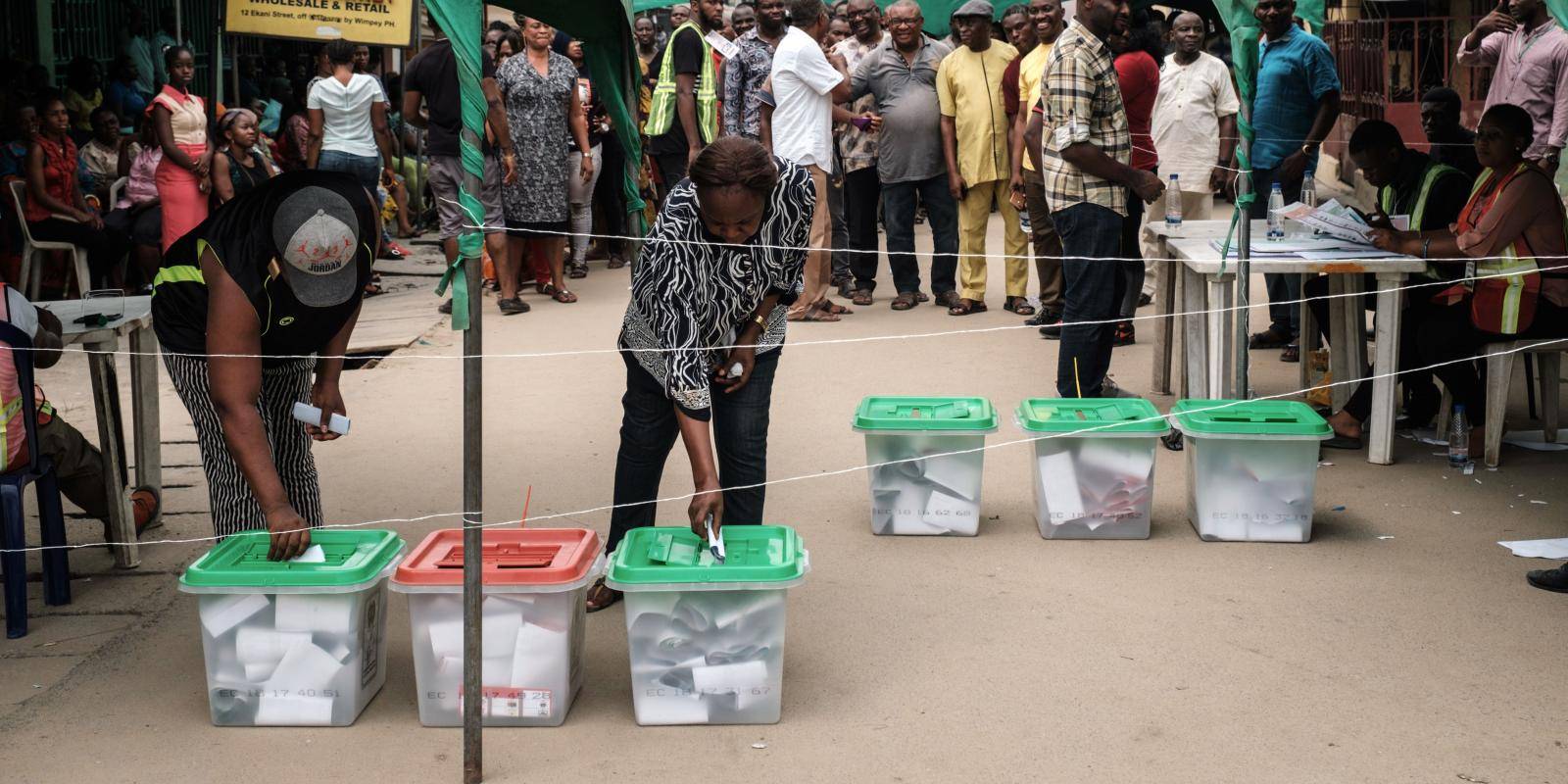
The Electoral College Nigeria has expressed concern over senate’s rejection of automatic electronic transmission of election results in the Electoral Act.
On Wednesday, the senate rejected proposals for real-time results transmission and a 10-year ban on vote buyers, opting instead to maintain existing sanctions of fines or jail terms.

A statement on Wednesday signed by Kunle Lawal, executive director of Electoral College Nigeria, described the move as a “setback to the country’s democratic development”.
Lawal said resisting electronic transmission undermines efforts to restore public confidence in the electoral process at a time Nigerians are demanding transparency, credibility, and accountability.
The organisation said automatic result transmission is a widely accepted safeguard designed to protect the integrity of votes and reduce human interference between polling units and collation centres.
“Automatic transmission directly addresses these weaknesses by ensuring that results recorded at the polling unit are securely transmitted in real time to a central server, creating a verifiable digital trail,” the statement reads.
The organisation noted that ballot stuffing, result alteration, disappearance of result sheets, intimidation at collation centres, and deliberate delays have featured repeatedly in past elections.
The college argued that rejecting the mechanism entrenches manual collation, which Nigeria’s experience has shown to be highly susceptible to manipulation.
It added that election outcomes announced at collation centres have often differed from figures recorded at polling units, leading to disputes, prolonged court cases, and erosion of public trust.
While acknowledging concerns about infrastructure, connectivity, and cost, the group said such challenges should not be used as justification for rejecting electronic transmission.
“If technology can be trusted to determine who votes through biometric accreditation, it should also be trusted to protect how those votes are counted,”Lawal said.
The college said that hybrid models allowing offline capture and delayed transmission have been used successfully in other jurisdictions.
The organisation also rejected arguments that result transmission should be left to the discretion of the electoral body, warning that discretion without firm legal backing weakens accountability and allows selective application.
According to Electoral College Nigeria, the refusal to mandate automatic transmission deepens voter apathy, particularly among young people, and contributes to low turnout and legitimacy concerns.
The group said disputed election results have often triggered violence and unrest, arguing that transparent transmission of results would reduce tensions and strengthen post-election peace.
“Automatic result transmission is not about favouring any political party or candidate. It is about strengthening institutions and ensuring that the will of the people is protected,” the statement added.
Electoral College Nigeria called on lawmakers and other stakeholders to reconsider the rejection of automatic electronic transmission in the Electoral Act, describing electoral integrity as a national, not partisan, issue.
“Protecting the vote is the foundation of accountable governance, social cohesion, and national progress,” Lawal said.
