

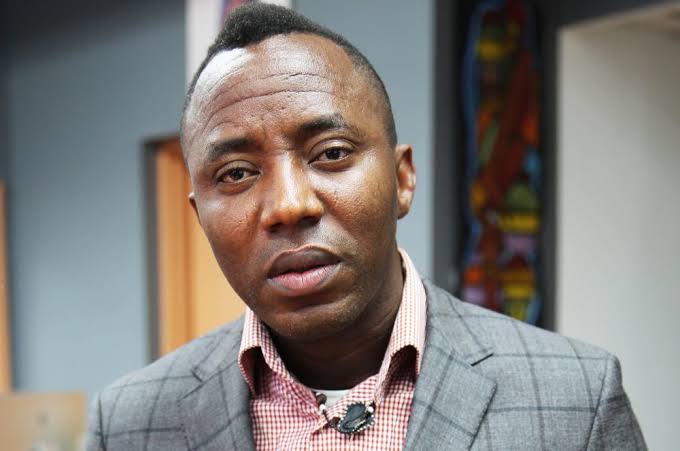
African Action Congress (AAC) presidential candidate Omoyele Sowore says he will not establish an Office of the First Lady if he wins the 2027 presidential election.
Sowore stated this during an appearance on Channels Television’s Politics Today on Thursday, arguing that the position of First Lady is not provided for in the Nigerian Constitution.

He explained that becoming president would not change his marital status, but said his wife would not occupy any official position or head an office because of his presidency.
“There is no office of First Lady in the Nigerian Constitution. Becoming the president will not abolish my marriage, but I will not have the office of First Lady,” he said.
Sowore added that women would still have a voice in his administration, but questioned the allocation of public funds to an office he described as unconstitutional.
“Women will be heard, but I don’t believe that you need a first lady who is holding an unconstitutional position and just wasting money that is meant for progress and projects.
“I am just telling you as a matter of policy that there won’t be an office of the first lady under the Sowore presidency,” he said.
Sowore proposes end to security votes
The AAC presidential candidate also outlined measures he said would reduce the cost of governance, estimating that his proposed reforms could save about N4 trillion.
Sowore said his administration would pursue measures to tackle corruption and make more public funds available for development. He also proposed ending the practice of allocating security votes to state governors.
“We will stop security votes to governors, we will make this happen. Of course it will require some constitutional changes so that the money that goes to the governor as a person can take care of the wage bill of the state.”
Security votes refer to public funds allocated to state governors for security-related and emergency needs. Governors generally have discretion over how the funds are spent, making their transparency and accountability a recurring subject of public debate.