

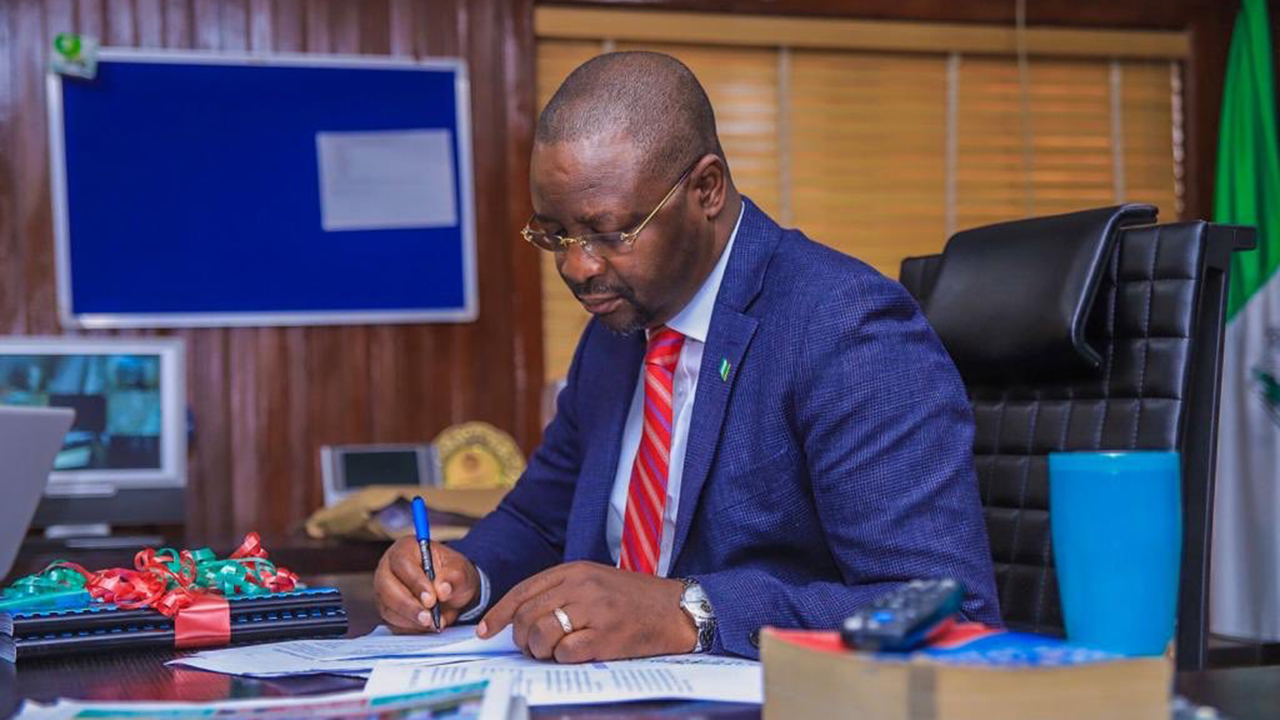
Special Adviser to President Bola Tinubu on media and public communication, Sunday Dare, has said the latest fiscal transparency report by the United States does not provide a comprehensive assessment of Nigeria’s ongoing public financial management reforms.
The presidential aide spoke in a statement on Thursday, reacting to the 2026 fiscal transparency report by the US department of state.

The report had assessed Nigeria as not meeting the US minimum fiscal transparency requirements and recorded “no significant progress” by the country during the review period.
In the statement, Dare said the assessment should be properly contextualised, noting that the report measures countries against specific minimum requirements set by the US department of state.
“The U.S. Fiscal Transparency Report is a specific assessment against the Department of State’s minimum fiscal-transparency requirements, particularly the public disclosure of national budget information, government contracts and natural-resource licenses,” he said.
He said the report “should therefore not be interpreted as a comprehensive assessment of all fiscal and public financial management reforms currently underway in Nigeria”.
According to Dare, the report itself acknowledged progress by Nigeria in making budget documents and debt obligations publicly available.
He said the areas identified by the report, including procurement disclosure, budget execution reporting and audit processes, remain issues the federal government is addressing through ongoing institutional reforms.
“Fiscal transparency, accountability and effective public financial management remain important priorities of the Federal Government, and Nigeria continues to implement reforms aimed at strengthening the management, reporting and disclosure of public resources,” Dare said.
The presidential media aide said Nigeria had established mechanisms such as the open treasury initiative, public budget documentation, and debt disclosures to promote fiscal transparency.
Dare said the government was also strengthening digital procurement and other systems to improve the accessibility, reliability, and timeliness of public financial information.
“The appropriate response, therefore, is neither to dismiss the findings nor to portray them as a complete characterization of Nigeria’s fiscal governance,” he said.
“Rather, the report provides an external benchmark against which existing reforms can be further strengthened.”
The presidential aide said the government remains committed to improving the quality and timeliness of fiscal reporting, strengthening audit institutions, and expanding access to procurement information.
He said the objective is to ensure that citizens, investors and other stakeholders have greater visibility into the management and utilisation of public resources.
