

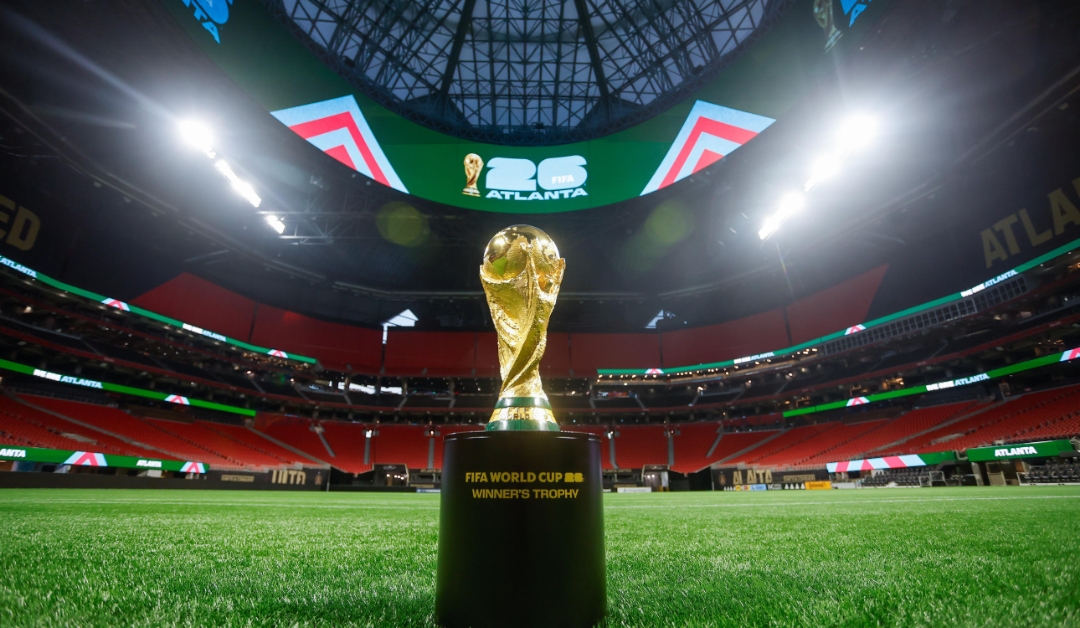
The 2026 FIFA World Cup will be remembered for thrilling football, surprise results and Spain’s historic title. But beyond the goals and celebrations, the tournament also produced several controversies that kept fans talking throughout the competition.
From disputed refereeing decisions to debates over the tournament’s new format, many moments off the pitch became just as important as those on it. Here are 10 controversies that shaped the World Cup.

1. VAR failed to end refereeing arguments
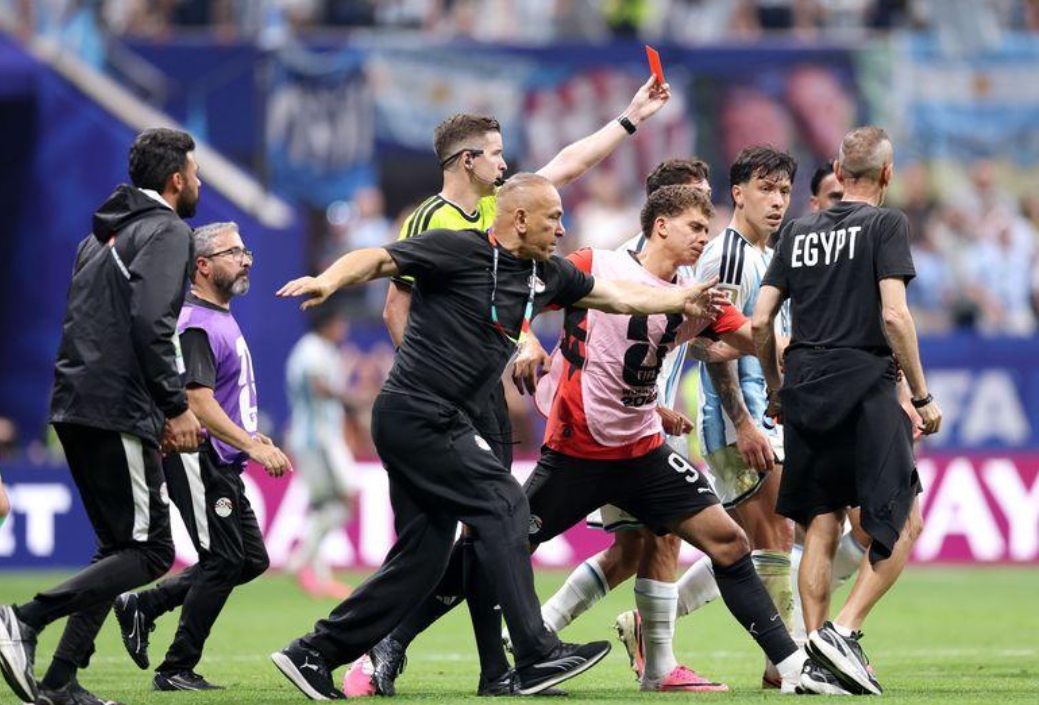
Many fans expected the Video Assistant Referee (VAR) to reduce mistakes, but it remained one of the tournament’s biggest talking points. Several penalty, offside and red card decisions divided opinions, with players and coaches accusing officials of inconsistency.
2. The Super Bowl style halftime show divided fans
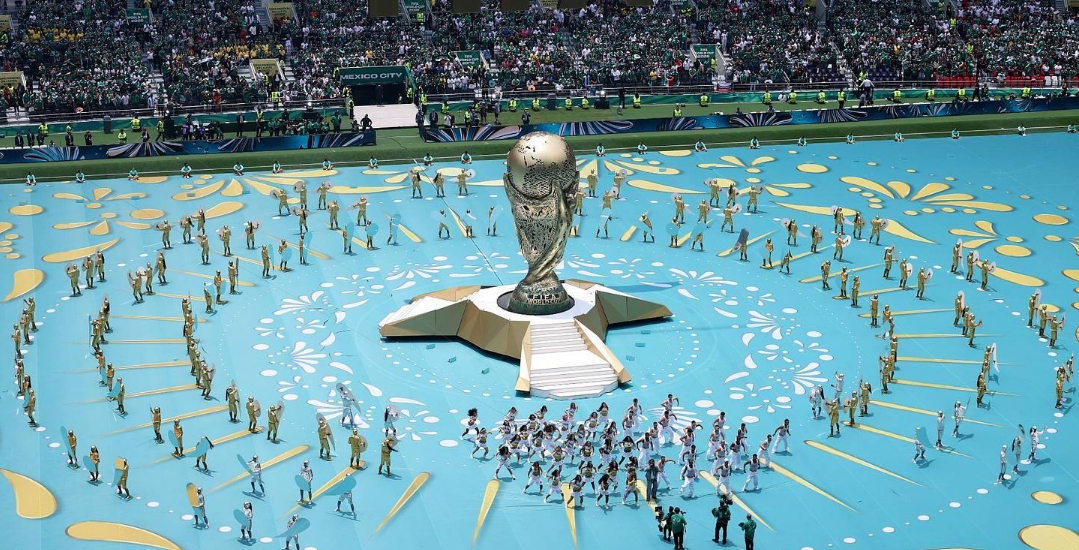
For the first time in World Cup history, the final featured a halftime entertainment show. While some supporters welcomed the new experience, others believed football should stay focused on the match rather than entertainment.
3. The expanded 48 team format sparked debate
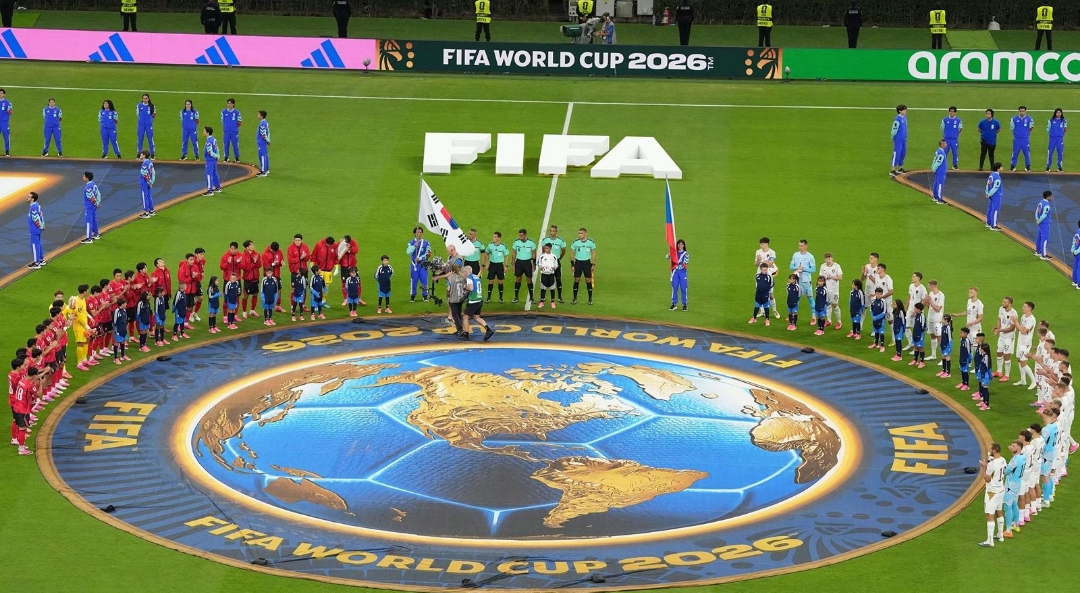
The 2026 edition was the first World Cup to feature 48 teams. Supporters praised the opportunity for more countries to participate, but critics argued that the larger tournament led to uneven matches and a longer competition.
4. Long travel distances frustrated teams
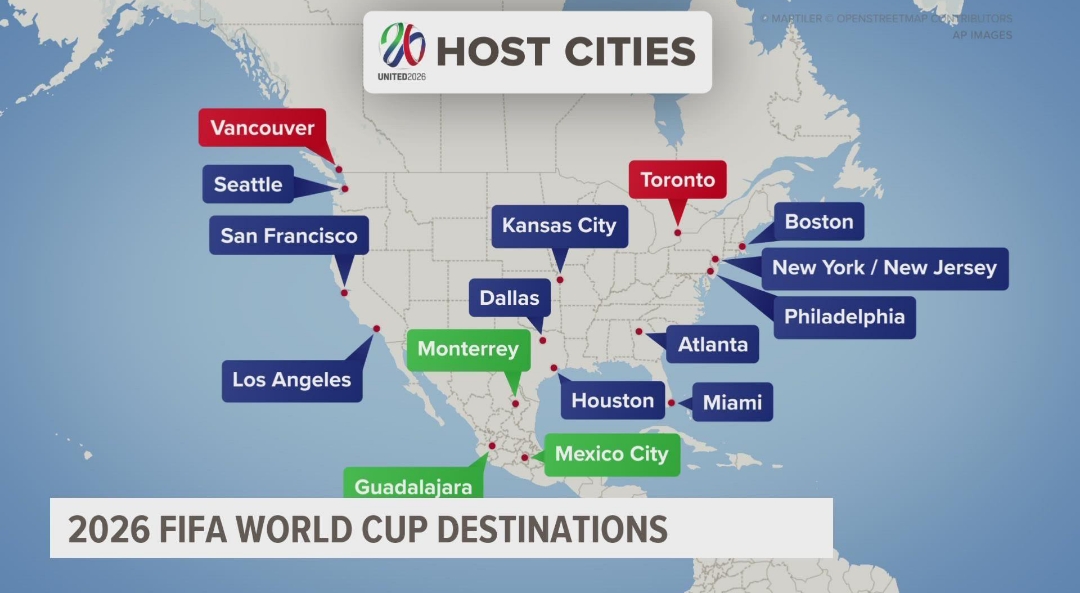
With matches spread across the United States, Canada and Mexico, players and supporters had to travel thousands of kilometres between venues. Many questioned whether the heavy travel affected player performance and recovery.
5. Player welfare became a major concern
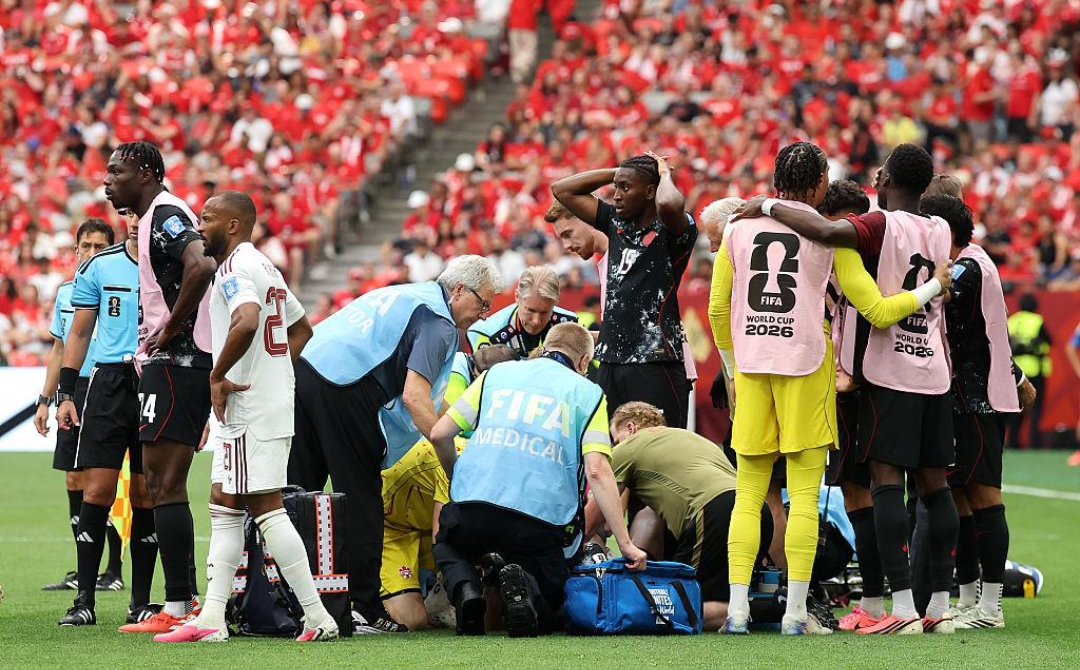
The expanded tournament increased the number of matches, leading to worries about fatigue and injuries. Several coaches complained that players were being pushed beyond their limits after a demanding club season.
6. Ticket prices left many fans disappointed
Many supporters complained about the high cost of tickets, accommodation and transport. Some also criticised ticket resale platforms, saying genuine fans struggled to secure seats.
7. Commercial activities overshadowed football
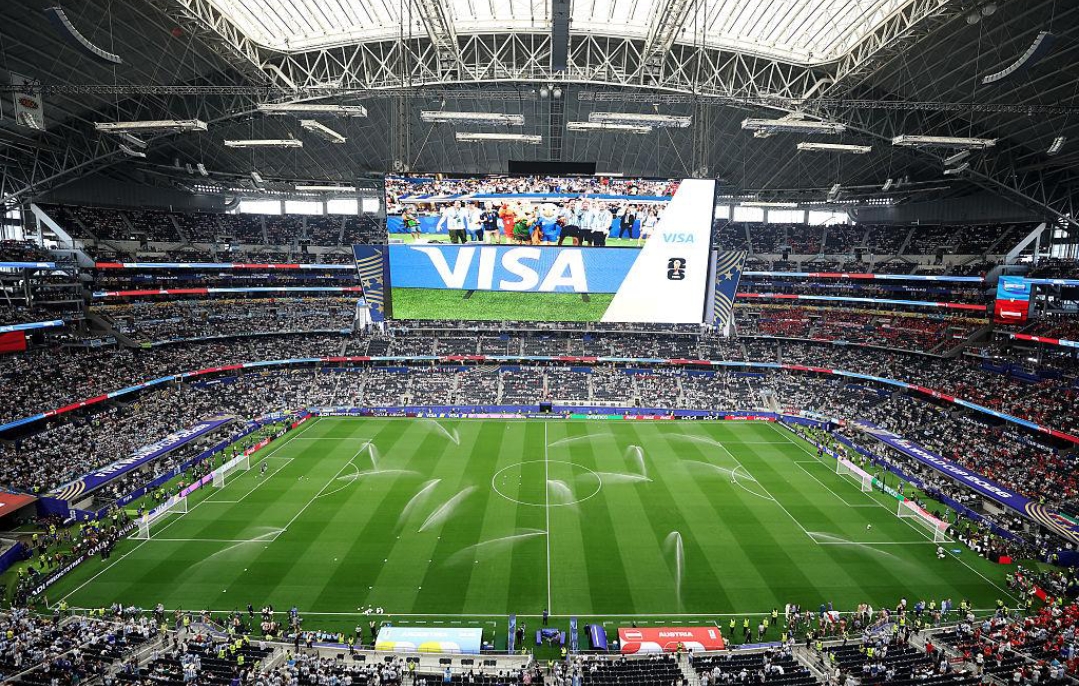
Some fans felt FIFA placed too much attention on sponsorships, entertainment and marketing. Critics argued that football should remain the centre of the tournament rather than commercial events.
8. Security and crowd control raised concerns
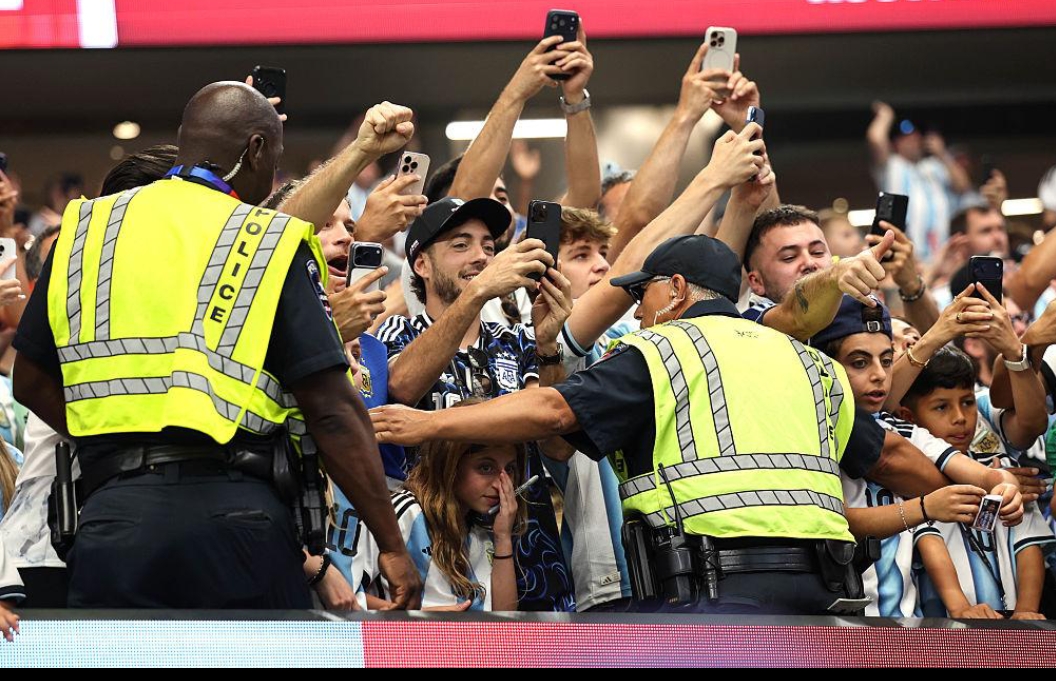
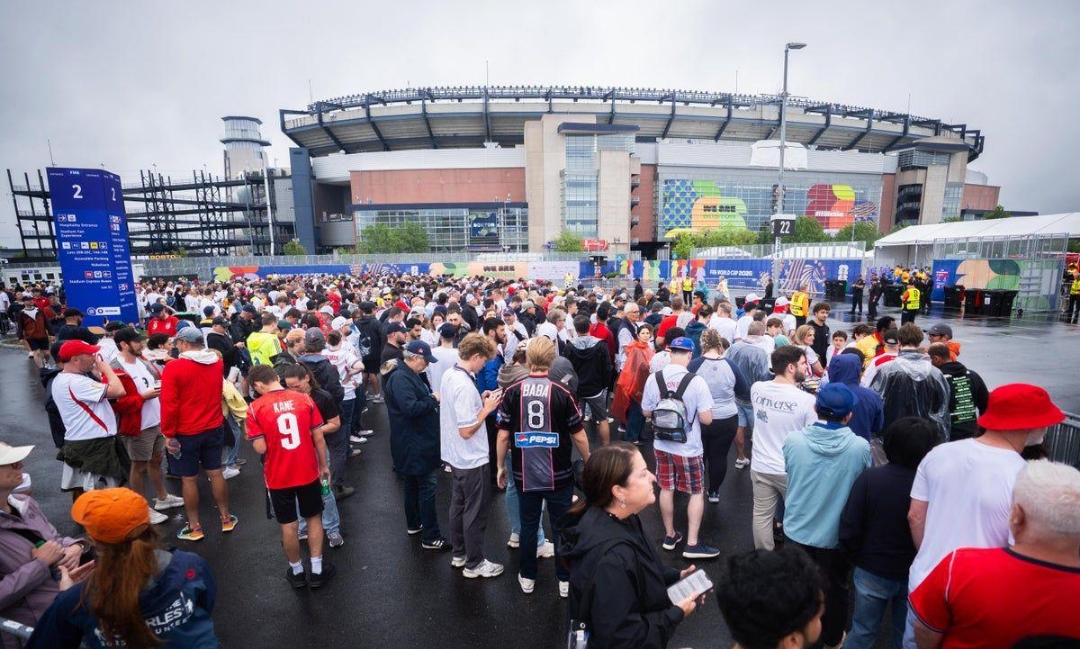
Some stadiums experienced long queues, delayed entry and crowd management issues before kick off. Although major incidents were avoided, many fans described the experience as frustrating.
9. Politics remained part of the conversation
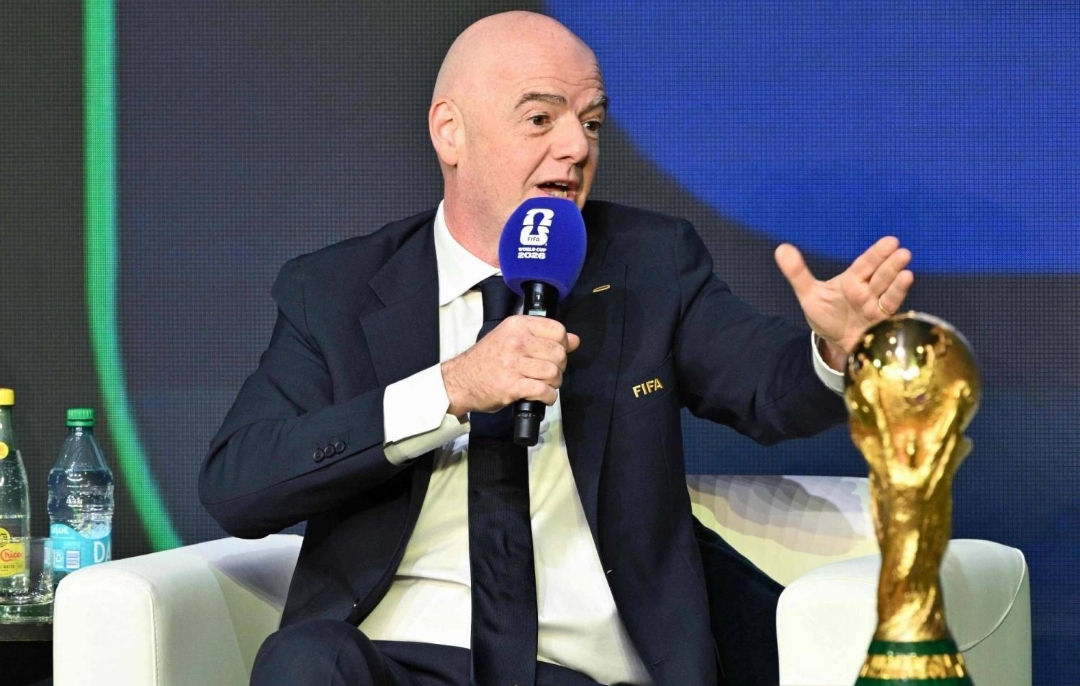
The tournament was also marked by discussions about FIFA’s governance, political influence and other issues away from football. These debates continued throughout the competition and attracted global attention.
10. Technology remained under scrutiny
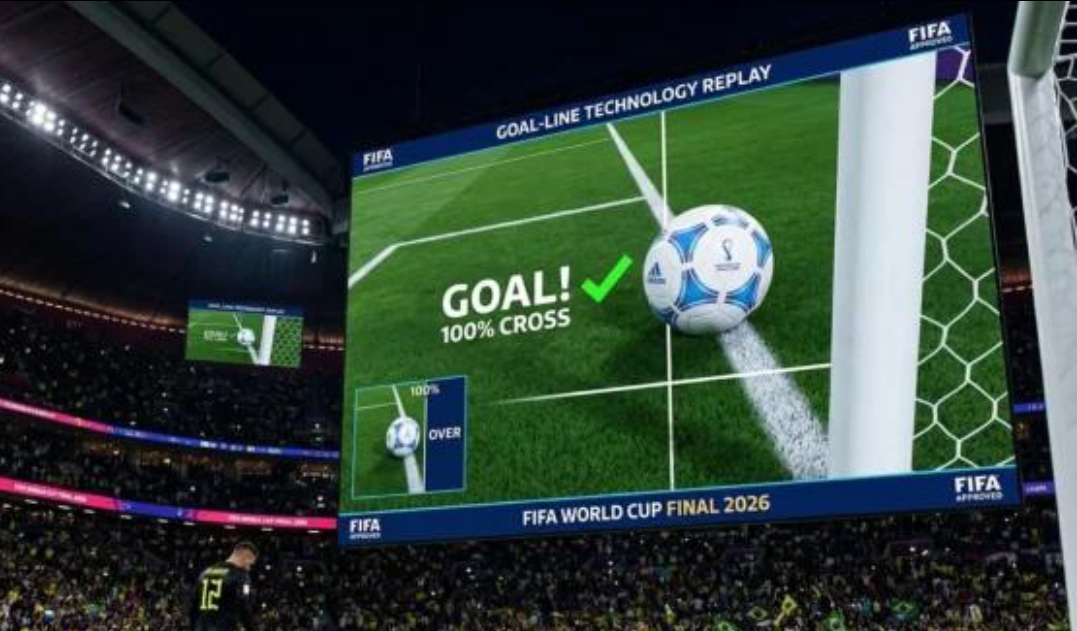
Apart from VAR, football’s growing reliance on technology continued to divide opinion. While some believed it improved decision making, others argued that it slowed the game and took away the emotion of football.
The 2026 World Cup delivered unforgettable football, but it also showed that the biggest tournament in the sport is about more than what happens on the pitch. Long after Spain lifted the trophy, many fans continued discussing the controversies that shaped the competition, proving that the biggest stories are not always about the goals.
